
Lieferung heute & morgen

Qualitätsgarantie

Willkommens-Angebote freischalten: KOSTENLOSE Lieferung | Bis zu 80 % RABATT | Kostenlose 30-Tage-JoyPlus-Testphase
App herunterladen
A good kitchen knife is the foundation of every great meal. But the market is crowded and full of marketing promises that often cost more than they deliver. Many home cooks invest in tools that quickly become dull, are impractical to handle, or are simply unsuitable for their needs. As your Joybuy Product Recommendation Officer, I'll help you identify these pitfalls and make an informed decision.
Before we dive into the important features, let's expose the typical marketing traps that lead to disappointment in the kitchen.
To make a smart choice, focus on three verifiable criteria that determine a knife's performance and longevity.
The steel is crucial for sharpness, edge retention (how long it stays sharp), and corrosion resistance. Pay attention to the steel designation.
For most tasks, two blade shapes are particularly relevant:
A good handle should feel secure and fatigue-free in your hand, even during extended use. Materials like high-quality plastics (e.g., TPE), composite materials, or specially treated, sealed wood are low-maintenance, hygienic, and provide a firm grip even when wet. The balance between the blade and handle is also critical for good handling.
Here are some recommendations tailored to different needs and budgets that avoid the pitfalls mentioned above.
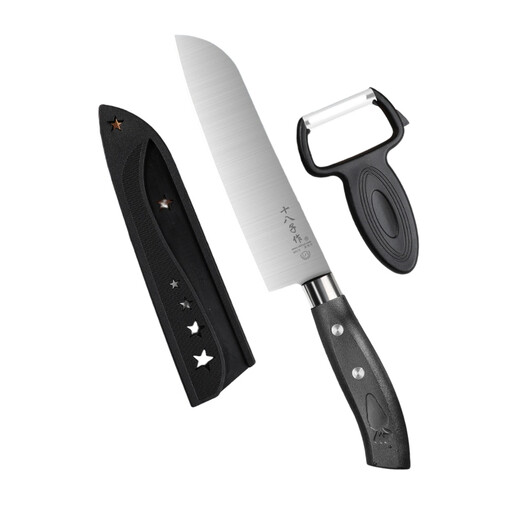
Why it's a great fit: Perfect for a starter kit or student kitchen. This set provides a functional utility knife for daily cutting tasks and a practical peeler without breaking the bank. The focus is on core functionality.
It skips the misleading Damascus look and focuses on a simple but functional stainless steel blade. You get an honest tool for basic tasks.
A practical 2-in-1 set that combines two frequently needed kitchen tools, offering excellent value for money.
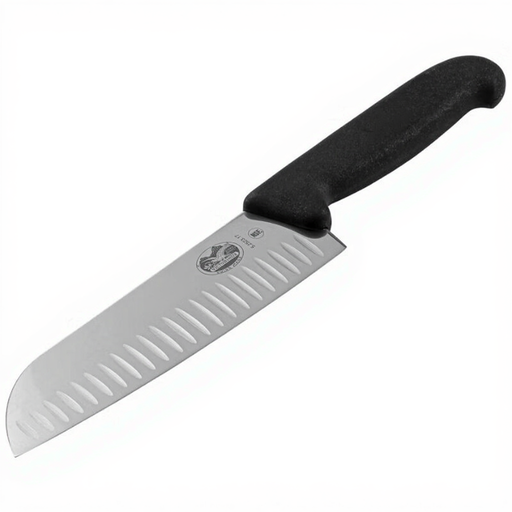
Why it's a great fit: For anyone who cooks daily and needs a reliable, sharp, and low-maintenance tool. The Victorinox Santoku is a proven classic used in many professional kitchens.
The Fibrox handle is the antithesis of an impractical designer handle. It's engineered for maximum grip, hygiene, and durability, prioritising function over pure aesthetics.
The Granton edge reduces food sticking, while the ergonomic synthetic handle provides a secure grip even when wet. Excellent edge retention from the steel.
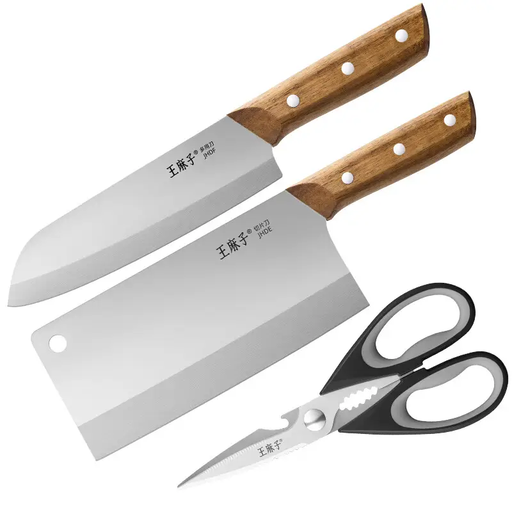
Why it's a great fit: Anyone looking for a complete and coordinated starter set will be well-served by this collection. It covers the most important tasks: a utility knife, a slicing knife, and a pair of heavy-duty kitchen shears.
This set prevents the purchase of mismatched specialty knives by offering a versatile combination for the most common kitchen jobs. The Shenmu wood handles are ergonomically shaped and treated for practical daily use.
Forged blades ensure greater stability and longevity compared to stamped knives. The set provides a cohesive solution for a wide variety of cutting tasks.
We have compiled a complete, up-to-date list of products that fully meet these strict selection criteria and German safety regulations.
The frequency depends on usage, blade steel, and your cutting board. For daily use in a home kitchen, sharpening the knife every few months with a suitable knife sharpener or whetstone is generally sufficient. More important is regular honing with a honing steel before almost every use. This realigns the fine edge of the blade and maintains sharpness without removing material.
Genuine Damascus steel, with its layered structure, can combine high edge retention with a degree of flexibility. The hard core provides the sharpness, while the softer outer layers protect the blade. However, for most home users, a high-quality mono-steel knife (e.g., a good Japanese chef's knife) offers perfectly adequate and often easier-to-maintain performance. The added value of a genuine Damascus knife is primarily noticeable to enthusiasts and professionals.
It is generally not recommended. The harsh detergents, high temperatures, and contact with other dishes can damage the blade and make it dull. Handles made of wood or non-heat-resistant plastic are particularly susceptible to damage. Even if some manufacturers like Victorinox declare their knives as dishwasher-safe, gentle hand washing with warm water and mild soap will significantly extend the life and sharpness of your knife.