
Lieferung heute & morgen

Qualitätsgarantie

Willkommens-Angebote freischalten: KOSTENLOSE Lieferung | Bis zu 80 % RABATT | Kostenlose 30-Tage-JoyPlus-Testphase
App herunterladen
A good kitchen knife is the cornerstone of every meal. But the market is flooded with marketing promises that often create more confusion than clarity. As your Joybuy Product Recommendation Officer, I'm here to help you separate fact from fiction and make an informed decision that suits your cooking habits and budget.
Before you invest, it's crucial to know the common traps that lead to disappointing purchases.
Focus on these three objective criteria to find a knife that will reliably get the job done.
The steel is the primary factor determining sharpness, edge retention (how long it stays sharp), and corrosion resistance.
There is no single knife that is perfect for everything. The shape of the blade is optimised for specific tasks.
A good handle ensures safety and prevents fatigue.
Here are a few recommendations tailored to different user profiles, all of which meet the criteria mentioned above.
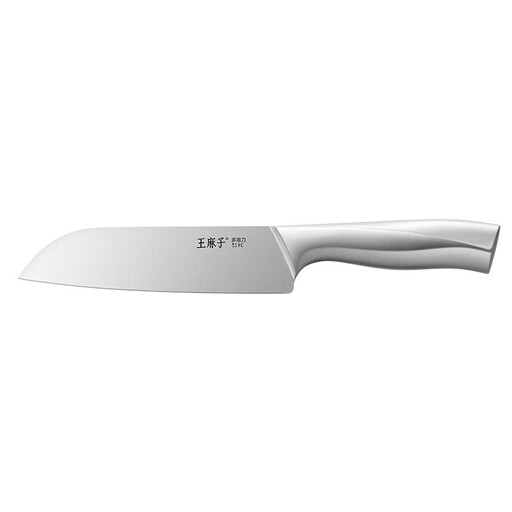
Why This Fits Their Persona: Ideal for cooking novices or as a reliable everyday knife. The Santoku shape is versatile for vegetables, meat, and fish. The stainless steel handle is robust and exceptionally hygienic, as there are no seams where dirt can accumulate.
This knife avoids exaggerated marketing claims. It uses a solid 30Cr13 stainless steel, which offers respectable performance for its price point, and focuses on functional, low-maintenance features.
Excellent value for money. The single-piece steel construction makes it very durable and easy to clean.
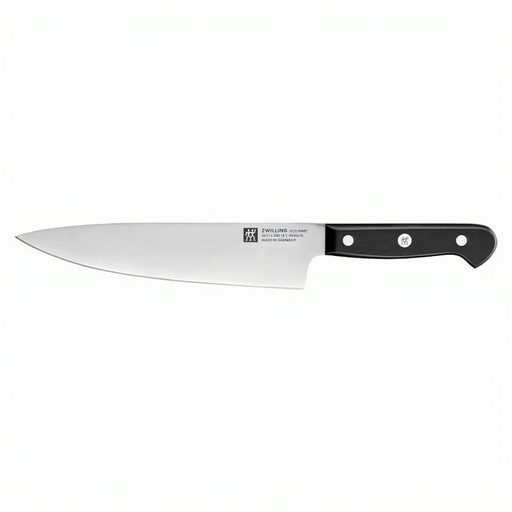
Why This Fits Their Persona: For those who value "Made in Germany" quality and proven performance. This classic chef's knife is a workhorse that excels during long cooking sessions thanks to its balance and ergonomics.
Zwilling relies on verifiable quality: The FRIODUR ice-hardened blade offers objectively good edge retention and corrosion resistance. The classic three-rivet design and balanced weight distribution directly address the ergonomics pitfall.
Long-lasting sharpness and robustness from ice-hardened special formula steel. Excellent balance for precise and fatigue-free cutting.
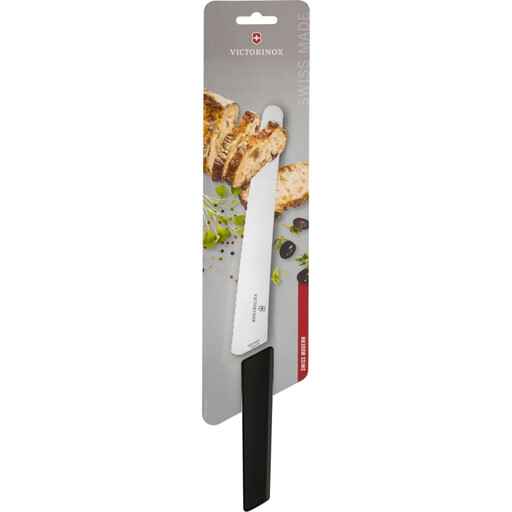
Why This Fits Their Persona: Anyone who regularly cuts fresh bread, cakes, or even large, hard-skinned vegetables (like squash) needs a specialised tool. This bread knife from Victorinox offers the necessary blade length and the right edge for clean cuts.
It doesn't try to be a jack-of-all-trades. Instead, it focuses on one job and masters it through its specific design—the long, sharp serrated edge. It's an honest tool for a clear purpose.
The precise serrated edge cuts effortlessly through hard crusts without crushing the interior. The ergonomic synthetic handle is low-maintenance and provides a secure grip.
We have compiled a complete, up-to-date list of products that fully meet these strict selection criteria and German safety regulations.
1. How often does a good kitchen knife need to be sharpened? The frequency depends heavily on usage, blade steel, and your cutting surface. For daily household use, the edge should be maintained weekly with a honing steel. A full resharpening on a whetstone is recommended every 6 to 12 months, depending on the blade's condition. A clear sign it's time is when the knife starts crushing tomatoes rather than slicing them.
2. What is the difference between a chef's knife and a Santoku knife? The main difference lies in the blade shape and the resulting cutting technique. The chef's knife has a curved blade, which is suited for a "rocking chop" where the tip of the knife stays on the cutting board. The Santoku knife has a straighter edge and a tip that curves down, making it ideal for chopping and straight-down slicing motions.
3. Is a forged knife always better than a stamped one? Not necessarily. Forged knives are generally more robust, heavier, and better balanced, which many professionals appreciate. However, modern stamped knives from quality manufacturers can also exhibit excellent sharpness and edge retention. They are often lighter and more affordable, making them a very good choice for many home cooks. Ultimately, the quality of the heat treatment and the steel is more important than the manufacturing method alone.