
Lieferung heute & morgen

Qualitätsgarantie

Willkommens-Angebote freischalten: KOSTENLOSE Lieferung | Bis zu 80 % RABATT | Kostenlose 30-Tage-JoyPlus-Testphase
App herunterladen
A good kitchen knife is the cornerstone of any kitchen. But the market is overwhelming: marketing buzzwords, countless types of steel, and grandiose claims make the selection process difficult. Many home cooks and even professional users invest in tools that lose their sharpness after a short time, have poor ergonomics, or are unsuitable for their intended purpose. This guide will help you identify the crucial features and make an informed decision.
Before we delve into the important quality characteristics, let's look at three common pitfalls that often lead to disappointment.
To separate the wheat from the chaff, focus on three objective criteria. These determine the durability, handling, and functionality of your tool.
The steel is the heart of every knife. For most users, stainless steel has proven its worth. A common and reliable alloy is X50CrMoV15, used by many German manufacturers like WMF or Zwilling. This steel offers a good balance of edge retention (how long a knife stays sharp), corrosion resistance, and ease of sharpening.
Forged knives are shaped from a single piece of steel under heat and pressure. This process densifies the material's structure, often leading to greater stability and edge retention. Stamped blades, like those often found on Victorinox knives, are cut from a sheet of steel. High-quality stamped knives also offer excellent performance and are often lighter.
Pay attention to the transition from the blade to the handle. A key quality feature, especially for a chef's knife or meat knife, is the full tang. This means the steel of the blade runs through the entire length and width of the handle.
There is no single knife that is perfect for everything. The shape of the blade is optimised for its function.
Instead of making a one-size-fits-all recommendation, we have selected products for different user groups and their specific needs.
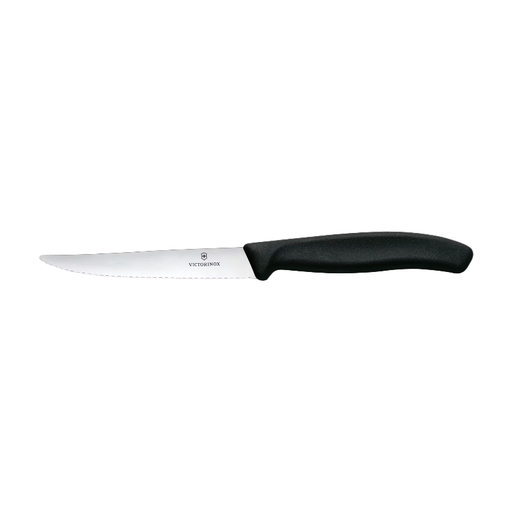
Why This Fits Their Persona: Perfect for households seeking a reliable solution for the dinner table. This set is ideal for cutting steaks, pizza, or even firm vegetables directly on the plate, without having to invest in a large, cumbersome set.
This set sidesteps the trap of oversized knife blocks. It offers a focused solution for a common use case and delivers proven Swiss quality, rather than dazzling with unnecessary filler knives.
The sharp serrated edge cuts effortlessly and cleanly. The knives are dishwasher-safe, making them extremely low-maintenance for everyday use.
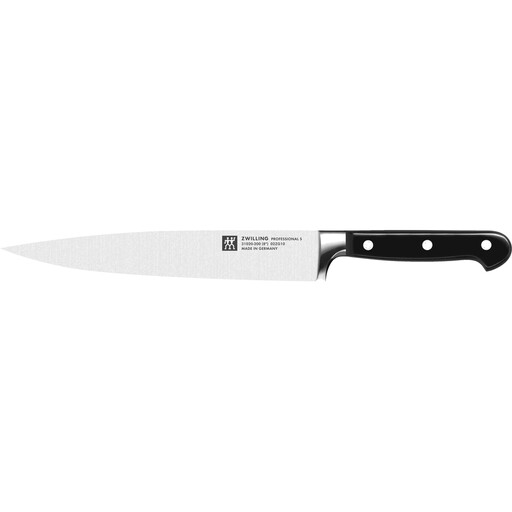
Why This Fits Their Persona: For those who value traditional craftsmanship and durability. This knife is a classic workhorse for preparing meat and large vegetables. A true all-rounder among professional chef's knives.
This knife is the antithesis of a poorly balanced tool. The forged full tang ensures perfect balance and maximum stability, minimising the risk of fatigue and material failure.
The ice-hardened FRIODUR blade offers excellent edge retention and corrosion resistance. Its German manufacturing represents a high standard of quality.

Why This Fits Their Persona: For users who need a robust tool for demanding tasks. This cleaver is suitable for chopping large, hard vegetables or portioning meat. It is a specialist for jobs where power is required.
This is a purpose-built tool, not a compromise. Its solid, forged construction and significant weight are designed for powerful chopping—a feature you won't find in the all-purpose knives from cheap sets.
The full-tang construction ensures high durability and control. The resilient steel maintains its sharpness even with intensive use.
If you're specifically looking for tools for meat processing, we have curated a selection of products that meet strict criteria for material and craftsmanship.
The frequency depends on usage, blade steel, and the cutting surface. As a rule of thumb for home use: regular honing with a honing steel (every few weeks) maintains the edge. A full resharpening on a whetstone or by a professional is advisable once or twice a year, depending on use. When you buy sharp knives, you should also invest in their care.
Not necessarily. Forged knives are generally more robust and often have better balance due to the bolster (the thick junction between the blade and handle). However, high-quality stamped knives, such as those made by Victorinox, can be extremely sharp and very agile due to their lower weight. The choice is ultimately a matter of personal preference and intended use.
It is generally not recommended. Harsh detergents, high temperatures, and contact with other dishes can damage the fine cutting edge and harm the handle, especially if it is made of wood. The gentlest method to preserve your knife's longevity and sharpness is to wash it by hand with warm water and a soft cloth immediately after use.