
Lieferung heute & morgen

Qualitätsgarantie

Willkommens-Angebote freischalten: KOSTENLOSE Lieferung | Bis zu 80 % RABATT | Kostenlose 30-Tage-JoyPlus-Testphase
App herunterladen
A dull or unwieldy knife can quickly take the joy out of cooking. However, the selection of kitchen knives is vast, and choosing the right kitchen knife set is often difficult. This guide is here to help. It explains the key criteria to consider when buying and presents a selection of models that impress with their material, craftsmanship, and functionality. Our goal is to provide you with an informed basis for your decision, so you can find the perfect tools for your kitchen.
To identify high-quality kitchen knives, three main features are crucial: the blade material, the manufacturing method, and the ergonomics of the handle.
The quality of a knife is largely determined by the steel used. High-quality stainless steel is the standard for durable kitchen knives. Manufacturers like Zwilling use special steel formulas that feature an optimized ratio of chromium and carbon. Another decisive factor is the hardening process. Ice-hardening, such as the FRIODUR process patented by Zwilling, improves corrosion resistance and ensures long-lasting sharpness. The "Made in Solingen" designation, or "Sharp Knives from Solingen," has long been considered a seal of quality for precision-crafted blades.
Kitchen knives are primarily made in two ways:
A good knife must feel secure and comfortable in your hand, even during extended cutting tasks. Look for an ergonomically designed handle that allows for a non-slip grip. A seamless transition between the handle and blade is not only an aesthetic feature but also an important hygiene factor, as it prevents food particles from getting trapped. Materials like high-quality plastic (e.g., polypropylene) are easy to clean and durable.
Based on the quality criteria mentioned, we have curated a selection of knives and sets suitable for ambitious home chefs.
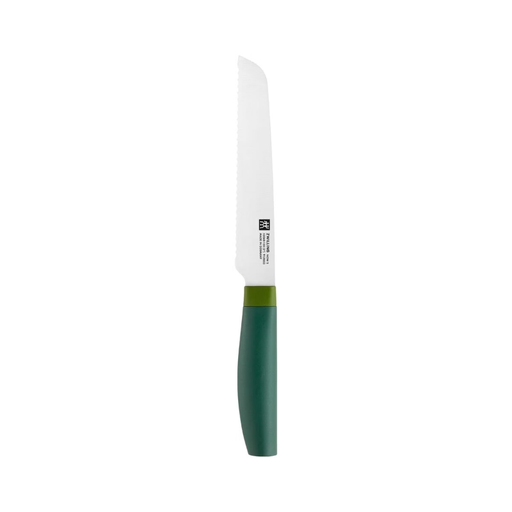
Why it stands out: The kitchen utility knife from the Zwilling Now S series, designed by the Milan-based studio Matteo Thun & Antonio Rodriguez, combines modern design with high functionality. The 13 cm blade bridges the gap between a large chef's knife and a small paring knife. The blade is crafted from ZWILLING special formula steel and refined using the FRIODUR ice-hardening process, which, according to the manufacturer, enhances corrosion resistance and edge retention. The stamped construction makes the knife exceptionally light and agile.
Pros:
Who it's for: Users looking for a versatile, lightweight, and stylish knife for daily tasks like cutting vegetables, sausages, or cheese, who also value design and brand quality.
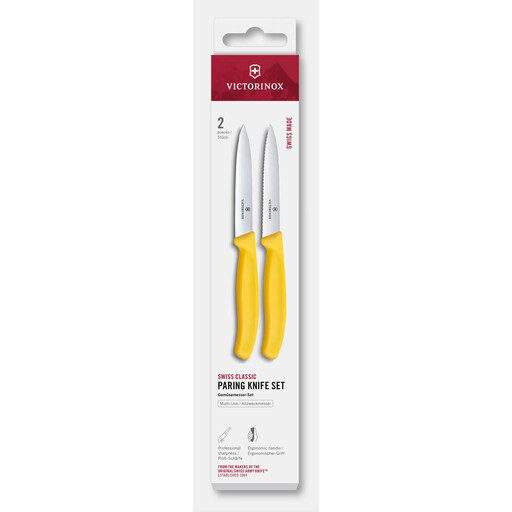
Why it stands out: This set from Victorinox, renowned for its Swiss precision tools, includes two specialized paring knives. It combines a blade with a serrated edge and one with a straight edge. The Victorinox paring knife set is designed to glide effortlessly through fruits and vegetables with tough skins and soft cores. The lightweight polypropylene (PP) handles ensure comfortable handling.
Pros:
Who it's for: Chefs who need dedicated, sharp tools for processing fruits and vegetables. Ideal for anyone seeking a low-maintenance, functional addition to their knife collection.
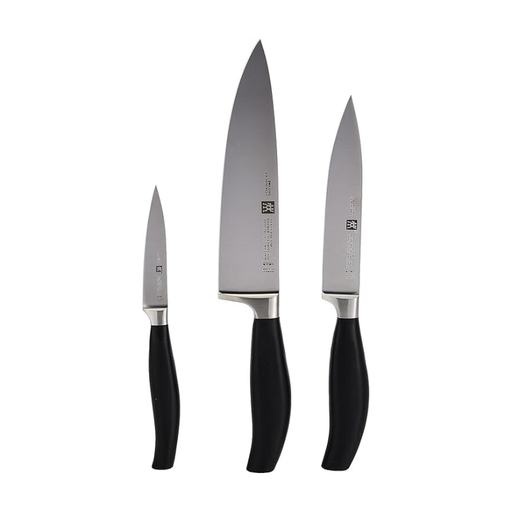
Why it stands out: This Zwilling knife set from the FIVE STAR series is a solid foundational kit for demanding users. The set includes the most essential knives for everyday kitchen tasks. Each knife is forged from a single piece of special steel and ice-hardened using the FRIODUR technique. This gives the blades high resilience and edge retention. The ergonomic plastic handle transitions seamlessly into the bolster, ensuring safety and balance.
Pros:
Who it's for: Quality-conscious home chefs who are ready to invest in a durable, forged knife set that offers professional performance and excellent balance for daily use.
Choosing the right knife is highly individual and depends on personal preferences and cooking habits. If the models presented here don't exactly meet your needs, there are numerous other alternatives to discover.
Browse our entire selection of high-quality kitchen tools in the Steel Utility Box and find the perfect tool for your culinary projects.
A functional basic set typically includes three types of knives:
To maintain the sharpness and longevity of high-quality knives, a few care tips should be followed. Clean the knives by hand with warm water and mild dish soap immediately after use and dry them right away. Dishwasher cleaning is not recommended, as harsh detergents and high temperatures can damage the blade and handle. Use cutting boards made of wood or plastic to protect the blade, and store the knives safely in a knife block or on a magnetic strip.
Forged knives are heated and shaped from a single piece of steel. They typically have a bolster (the thick junction between the blade and handle), which provides better balance and acts as a finger guard. They are often heavier and considered very robust. Stamped knives are cut from a sheet of steel. They are lighter, have no bolster, and are usually less expensive to produce. However, modern manufacturing techniques also allow for high quality and sharpness in stamped knives.