
Lieferung heute & morgen

Qualitätsgarantie

Willkommens-Angebote freischalten: KOSTENLOSE Lieferung | Bis zu 80 % RABATT | Kostenlose 30-Tage-JoyPlus-Testphase
App herunterladen
Choosing a new knife set can be a challenge. The market is filled with offers that often promise more than they deliver. As your Joybuy Product Recommendation Officer, I'll help you identify the crucial features and avoid common purchasing traps, so you can make an informed decision for your kitchen.
A good kitchen knife set is an investment in the joy of cooking. However, many buyers are misled by clever marketing. Pay special attention to these three common pitfalls:
To avoid making a bad purchase, you should focus on the fundamental qualities that define a good knife. Instead of being swayed by marketing terms, examine the following three core parameters.
The steel is the primary determinant of sharpness, edge retention (how long a knife stays sharp), and corrosion resistance. Most sharp kitchen knives for home use are made of stainless steel (often referred to as Inox or Stainless Steel).
A professional knife set for home use doesn't require countless specialty knives. A solid foundation consists of three to four core knives:
The handle is crucial for comfort and safety. It should be seamlessly joined to the blade to ensure hygiene.
Based on these objective criteria, we have selected a few products from our range that are suitable for different needs and use cases.
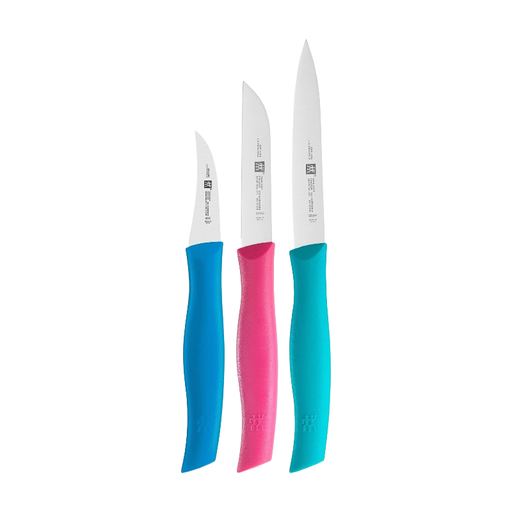
Why This Fits Their Persona: This set provides a solid starter kit for daily kitchen use. It focuses on the three most important small knives for vegetable and prep work and comes from an established brand, which builds confidence in the material quality.
It bypasses the "mega-set" trap by forgoing superfluous pieces and instead delivering three functional, high-quality blades for specific tasks.
Blades made of special formula stainless steel for durability and edge retention; ergonomic and non-slip synthetic handles for safe handling.
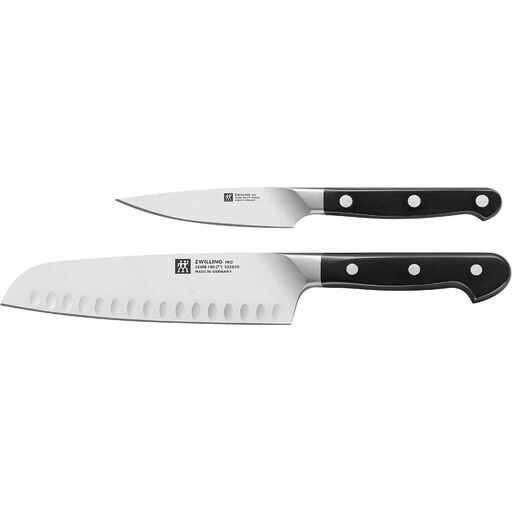
Why This Fits Their Persona: Ideal for ambitious home cooks who value precision and durability. This duo covers over 90% of daily cutting tasks with the versatile Santoku knife and the precise paring knife.
This set avoids the trap of inferior materials. The blades are crafted from ZWILLING's proven special formula steel and are ice-hardened (FRIODUR), ensuring high corrosion resistance and edge retention.
Precision-forged from a single piece of steel (SIGMAFORGE) for perfect geometry and balance; ergonomic handle for fatigue-free work.
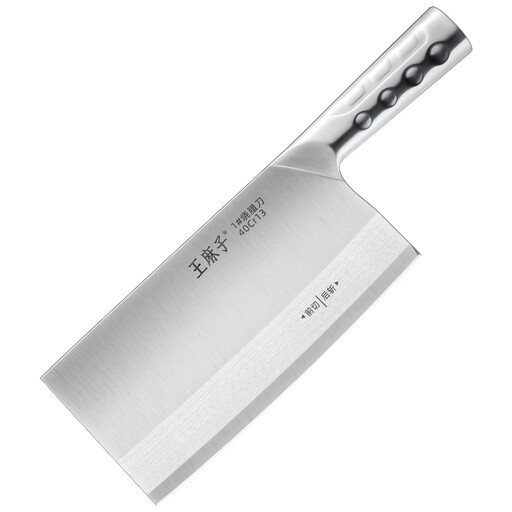
Why This Fits Their Persona: Perfect for cooks who appreciate the versatility of a Chinese cleaver. It's suitable for slicing, chopping, and even transferring chopped ingredients on its wide blade—a true multi-purpose tool.
Instead of using a clumsy knife from a universal set, this specialised tool provides the correct blade shape and balance for Asian cooking techniques.
The wide, sturdy blade made of high-carbon stainless steel allows for efficient work; the ergonomic handle ensures control and safety during extended use.
We have compiled a complete, up-to-date list of products that fully meet these strict selection criteria and German safety regulations.
The main difference lies in the blade shape and cutting technique. The European chef's knife has a curved blade that supports a rocking cutting motion. The Japanese Santoku knife has a straighter cutting edge and a rounded tip, making it ideal for chopping and slicing cuts. The choice depends on personal preference and the preferred cutting technique.
Proper care is crucial for longevity. Clean your knives by hand with warm water and a mild detergent immediately after use, and dry them right away. Even if some knives are declared dishwasher-safe (like those from Victorinox or Zwilling), harsh detergents and high temperatures can damage the blade and handle over time. Store the knives in a knife block, on a magnetic strip, or with a blade guard to protect the cutting edge.
A knife block is a safe and blade-friendly storage method. It protects the edges from damage in a drawer and keeps the knives within easy reach. A set with a matching block can be a worthwhile purchase, provided the included knives meet your needs. Ensure the block allows for good ventilation to prevent moisture buildup. An example is the 5five Simply Smart 7-Piece Knife Block Set, which offers an organised solution for the most essential knife types.