
Lieferung heute & morgen

Qualitätsgarantie

Willkommens-Angebote freischalten: KOSTENLOSE Lieferung | Bis zu 80 % RABATT | Kostenlose 30-Tage-JoyPlus-Testphase
App herunterladen
A kitchen knife should offer more than a sharp blade. What matters is whether the blade shape, material, handle and care requirements suit your typical cutting tasks. Anyone looking to buy a kitchen knife will encounter countless product claims promising “long-lasting sharpness,” “rust-resistant stainless steel” or particularly comfortable handling. Not every specification is equally important in everyday use.
This guide from the Joybuy Product Recommendation Officer explains what home cooks, ambitious cooking enthusiasts and professional kitchens should consider when buying a knife. Our selection is based on objectively stated product specifications and different usage scenarios.
A small paring knife is well suited to fruit, vegetables and peeling, but it cannot replace a chef’s knife or a meat knife. Conversely, a large cleaver is usually unwieldy when performing delicate work on small ingredients. Choosing solely based on advertised sharpness often means overlooking the key question: Which foods will you be cutting regularly?
Rust-resistant stainless steel is more resistant to corrosion than unprotected steel. However, that does not mean a knife should remain damp for extended periods or be placed in the dishwasher without proper care. Residue, high temperatures and harsh detergents can put stress on both the blade and handle. Even a kitchen knife labelled dishwasher-safe should be dried promptly after the cycle ends.
A sharp kitchen knife can deliver precise cuts, but it still requires safe handling and a suitable cutting surface. Glass, stone and ceramic boards can damage the edge more quickly. Blade length, balance and an ergonomic handle also matter, particularly during longer preparation sessions.
The right blade depends on how you plan to use it:
A longer blade provides a larger cutting surface, but it also requires more space and control. In a small kitchen or for precision work, an 8 cm paring knife may be more practical than a large chef’s knife.
Many kitchen knives are made from rust-resistant stainless steel. Pay attention to the specific steel grade, blade length and edge profile. A straight edge is suited to controlled cuts and peeling, while a serrated edge can be advantageous for bread, tomatoes and sausages.
Some products also specify additional manufacturing processes. According to the product information, the ZWILLING Nakiri GOURMET features Friodur ice hardening, a V-shaped edge of approximately 15 degrees per side and a 17 cm blade. These specifications describe the knife’s construction, but they do not represent a blanket guarantee for every usage situation.
A plastic or polypropylene handle is often resistant to moisture. Textured or non-slip surfaces can improve control. Wooden handles, by contrast, require particular care and attention to the manufacturer’s instructions.
The weight should match your working style: lightweight knives are easy to manoeuvre during delicate tasks, while heavier models can provide greater momentum when chopping. Proper care includes:
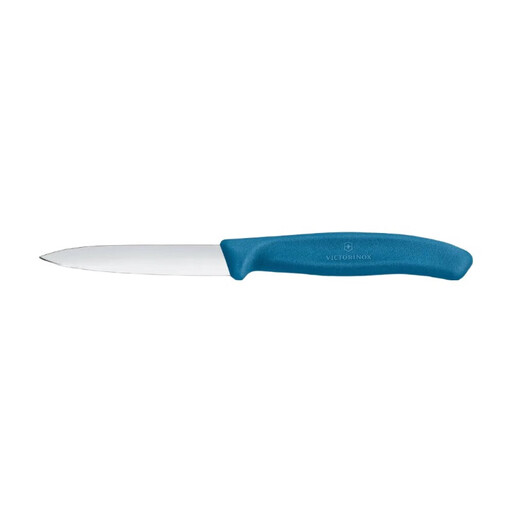
Why it suits this profile: This compact kitchen knife is designed for households seeking a lightweight tool for everyday fruit and vegetable preparation.
The specified 8 cm blade is clearly intended for precise small-scale tasks and is not presented as an all-purpose cleaver.
Straight stainless steel blade, 20 g weight, polypropylene handle and dishwasher-safe construction according to the product information.
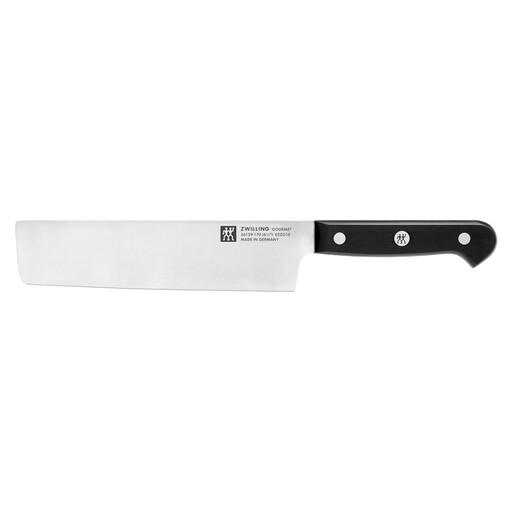
Why it suits this profile: The broad Nakiri blade is designed for users who frequently prepare vegetables, herbs and smaller ingredients.
The description specifies the blade length, cutting angle and material, so the choice is not based solely on a general sharpness claim.
17 cm blade made from Friodur-hardened stainless steel, black plastic handle and a specified V-shaped edge of approximately 15 degrees per side.
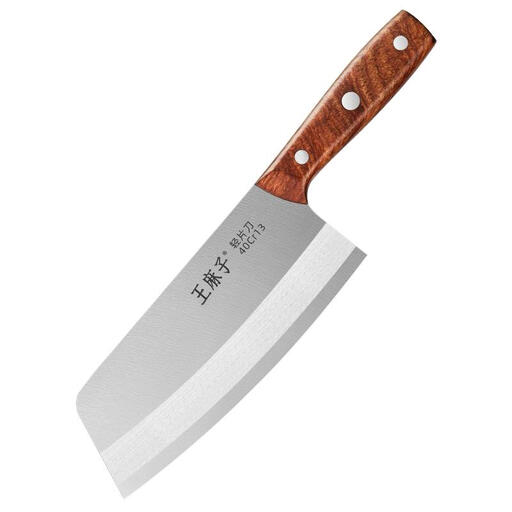
Why it suits this profile: The 190 mm blade is intended for users who regularly cut larger quantities of vegetables, herbs or boneless meat.
The product description limits the intended use to the specified ingredients. For bones or frozen food, choose a model designed for those tasks.
190 mm blade and, according to the product description, an ergonomically designed handle for longer cutting sessions.
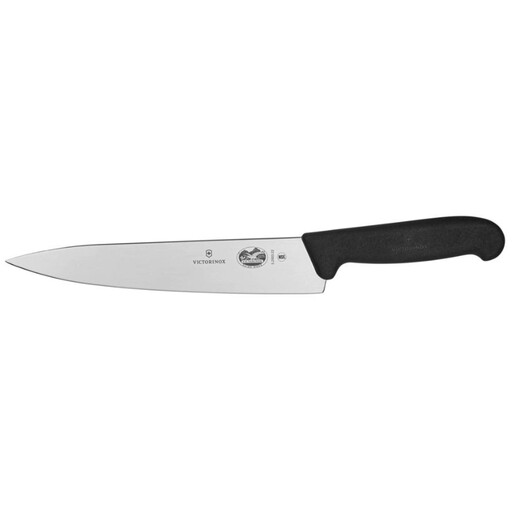
Why it suits this profile: The long, straight blade is designed for larger ingredients and even slicing of meat, fish, fruit and vegetables.
The blade length and straight edge are clearly specified. This makes it easier to assess whether you have enough workspace and storage capacity.
22 cm stainless steel blade and Fibrox plastic handle with a non-slip surface, according to the product description.
We have put together an up-to-date selection of products that can be compared by knife type, blade length, material and care requirements.
Even a robust knife benefits from a consistent care routine. Clean the blade after every use and dry it thoroughly. With high-quality or finely honed edges, hand-washing is often gentler on the material, even when the manufacturer states that the product is dishwasher-safe.
Never use a kitchen knife on glass or stone. Store it in a way that prevents the edge from colliding with other pieces of cutlery. Large cleavers and long carving knives in particular should be stored with the blade protected and kept out of children’s reach. In Germany, specific regulations also apply to carrying certain knives in public spaces. The products mentioned here are intended for use in the kitchen.
For small quantities and precision work, a paring or peeling knife with a blade length of around 8 cm is a practical choice. If you regularly prepare large cabbages, carrots or herbs, consider a Nakiri knife, Santoku knife or chef’s knife with a broader blade.
Edge retention depends on the steel, edge geometry, how the knife is used, the cutting board and the care routine. Hard surfaces, incorrect cutting motions and dishwasher cycles can place greater stress on the edge. A knife that is becoming dull should be professionally sharpened; the correct angle depends on the model.
The dishwasher-safe designation makes cleaning more convenient, but it does not mean that regular machine washing has no effect on the blade or handle. For a longer service life, hand-washing, immediate drying and protected storage are generally the gentler approach.