
Lieferung heute & morgen

Qualitätsgarantie

Willkommens-Angebote freischalten: KOSTENLOSE Lieferung | Bis zu 80 % RABATT | Kostenlose 30-Tage-JoyPlus-Testphase
App herunterladen
A high-quality kitchen mixer can significantly simplify food preparation, from your morning smoothie to a demanding bread dough. But the market is crowded and full of marketing promises that often create more confusion than clarity. As your Joybuy Product Recommendation Officer, I'll help you identify the crucial features and steer clear of common purchasing traps.
Many buyers focus on superficial metrics or are swayed by exaggerated advertising claims. This often leads to appliances that fail to meet expectations. Pay special attention to these three common pitfalls:
To avoid a bad purchase, you should focus on the technical fundamentals that are crucial for long-lasting and satisfying use. Instead of being dazzled by marketing terms, check the following three core parameters.
The first step is to honestly answer the question: What will I primarily use this appliance for? The four basic types are optimised for different tasks:
Raw wattage is only half the story. What's crucial is how the power is transferred to the attachments.
The quality of the attachments largely determines the result and the lifespan of the appliance.
Based on these objective criteria, we have compiled a selection of appliances that offer a suitable solution for specific user profiles.
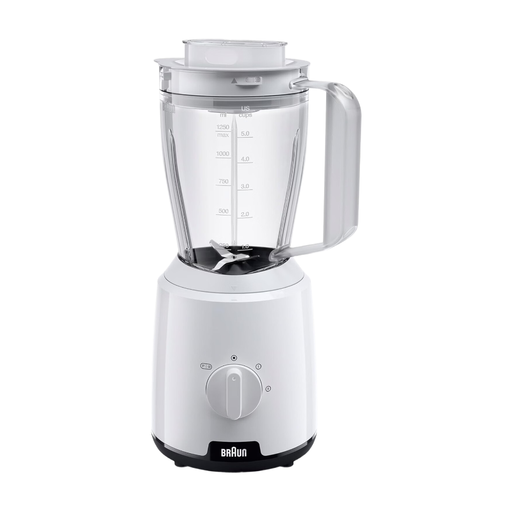
Why It's a Match: Ideal for anyone who makes daily smoothies, shakes, or purées. It focuses on one core function and performs it reliably.
This appliance avoids the "all-in-one" trap by being a dedicated countertop blender. The TriAction Technology focuses on blending performance through jug design, not just wattage. The removable parts are dishwasher-safe, solving the cleaning problem.
600-watt motor with an ice-crush function for frozen ingredients. BPA-free 1.5-litre jug with a triangular shape for efficient circulation.
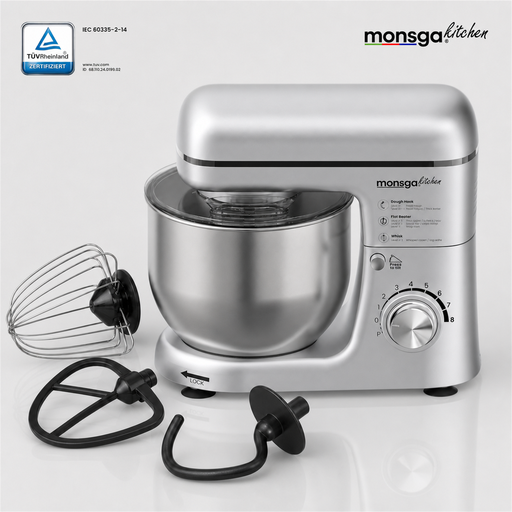
Why It's a Match: A fully-featured stand mixer for those who regularly bake bread, cakes, or pizza and need a reliable dough kneading machine.
This model debunks the wattage trap: the 1000-watt motor is combined with a 360° planetary mixing action, which distributes power efficiently. The Teflon-coated dough hook solves the problem of sticky dough residue and simplifies cleaning.
Large 6-litre stainless steel bowl for family-sized portions. 8 speed settings for precise control. Suction feet ensure a stable base even with heavy doughs.
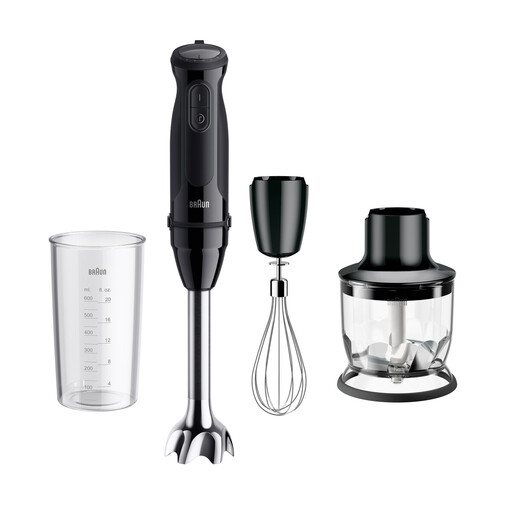
Why It's a Match: For cooks who want a versatile, space-saving tool for quick, daily tasks like puréeing, chopping, and whipping.
This set is not a weak compromise, but a modular system. The patented EasyClick Plus System solves the handling problem, allowing for a quick, secure change of attachments. The SplashControl technology prevents splatters and makes cleaning easier.
Powerful 1000-watt motor for an immersion blender. Set includes a 350 ml chopper and a whisk attachment. All parts that come into contact with food are BPA-free and dishwasher-safe.
We have compiled a complete, up-to-date list of products that fully meet these strict selection criteria and UK safety regulations.
The required power depends on the appliance type and its intended use:
No, an immersion blender is not designed for this task. Its blades are made for puréeing and chopping liquid or soft ingredients. Attempting to knead firm dough would overload the motor and likely damage the appliance. To knead dough, you need a stand mixer with dough hooks or a powerful electric hand mixer with sturdy dough hooks.
This varies by manufacturer and model. On many high-quality appliances, the removable accessories like mixing bowls, dough hooks, whisks, and blender jugs made of stainless steel or BPA-free plastic are dishwasher-safe. However, always read the manufacturer's instructions in the user manual to be sure. The motor unit itself must never be submerged in water or cleaned in the dishwasher; it is typically wiped with a damp cloth.