
Lieferung heute & morgen

Qualitätsgarantie

Willkommens-Angebote freischalten: KOSTENLOSE Lieferung | Bis zu 80 % RABATT | Kostenlose 30-Tage-JoyPlus-Testphase
App herunterladen
The right oil dispenser for your kitchen should keep liquids fresh and let you pour them with control. But some drawbacks only become apparent after a few uses: the stopper drips, the opening is hard to clean or the material isn’t suitable for hot liquids. So whether you’re looking for a kitchen oil bottle, an olive oil dispenser or an oil pourer, don’t choose on looks alone.
This buying guide explains the key points to consider and matches suitable products to different needs.
A narrow bottle opening may look elegant, but it can make refilling and cleaning more difficult. Thick liquids such as oil, syrup or sauces can also back up. A wide bottle neck makes filling easier and lets you reach the inside with a brush or sponge.
Not every kitchen bottle is equally suitable for every liquid. When it comes to glass, it’s worth distinguishing between soda-lime glass and borosilicate glass. For stainless steel models, look for clear material specifications, such as 304 stainless steel. Handles, seals and lids may also be made from materials such as silicone, plastic or wood, each with different care requirements.
Oil residue tends to collect around pourers, lids and seals. A product with removable components may be more practical for everyday use than one with a fixed design. Check the manufacturer’s cleaning instructions. For example, wooden handles are best washed gently by hand and dried thoroughly afterwards.
A glass oil bottle lets you keep an eye on the fill level. That’s useful if you regularly refill it with olive oil, dressing or a homemade marinade. According to the BJ measuring jug’s product description, borosilicate glass is designed to withstand higher temperatures and temperature changes. Even so, avoid sudden changes, such as moving it from very hot to ice-cold conditions.
An stainless steel oil dispenser blocks out light, making it an interesting option for storing light-sensitive liquids. The Maxcook model’s container is specified as 304 stainless steel. Its handle is made from 201 stainless steel and beech wood. These material details are taken from the product description, so check them against the information on the product page before use.
A good oil pourer should give you control over the flow and minimise drips running back down the bottle. Look for:
Don’t assume that a product is leakproof without checking. The specific design and correct assembly of the parts are what matter. If you choose an oil dispenser with a brush, also check the properties of the silicone attachment and its temperature limit.
Smaller containers can be easier to handle for everyday use. If you often fry food or prepare marinades, you may need a larger capacity. A 500 ml or 620 ml dispenser is easier to move around, while a 1000 ml container needs refilling less often.
For baking recipes, larger quantities of sauce and drinks, a 1000 ml measuring jug is more practical than an oil bottle with a scale. Clear markings and an easy-to-read scale help you measure accurately. When handling larger quantities, an additional stainless steel funnel with filter can make decanting easier and catch particles.
The products below are grouped by specific requirements. Details of materials, capacity and features are taken from the respective product descriptions.
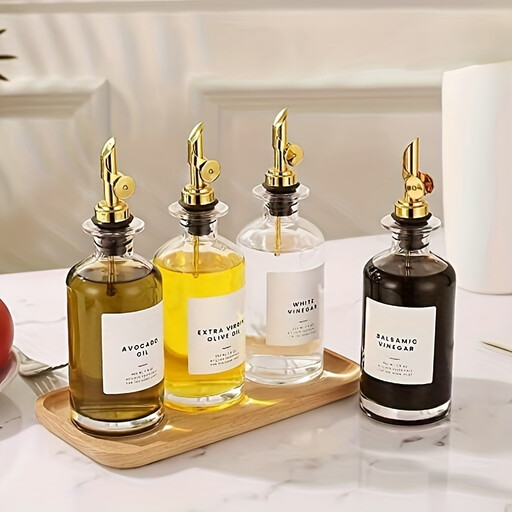
Why it suits this need: This two-piece set is a good choice for households that want to keep, for example, olive oil and vinegar separate and are looking for a straightforward starter set.
The glass bottles let you see what’s inside. Before buying, check the product page for details of the closure, capacity and cleaning instructions.
Two glass bottles in one set; transparent containers make it easy to check the fill level.
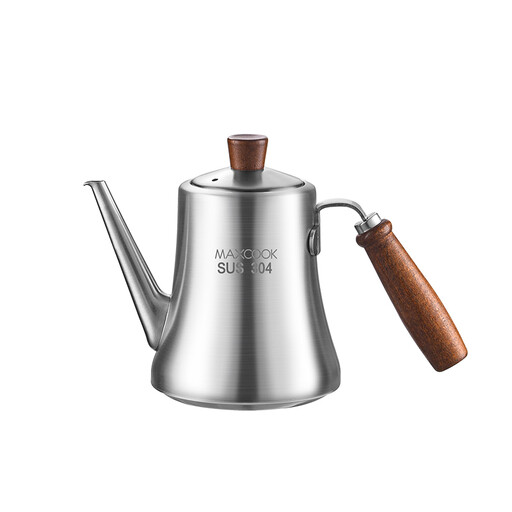
Why it suits this need: This model is worth considering if you prefer a stainless steel container with one-handed operation, a handle and a dust cover.
According to the product description, its wide opening is designed to make refilling and cleaning easier. The integrated dust cover helps limit exposure to the surrounding environment.
304 stainless steel container, 500 ml capacity, ergonomic handle and a pourer with a non-return feature, according to the product description.
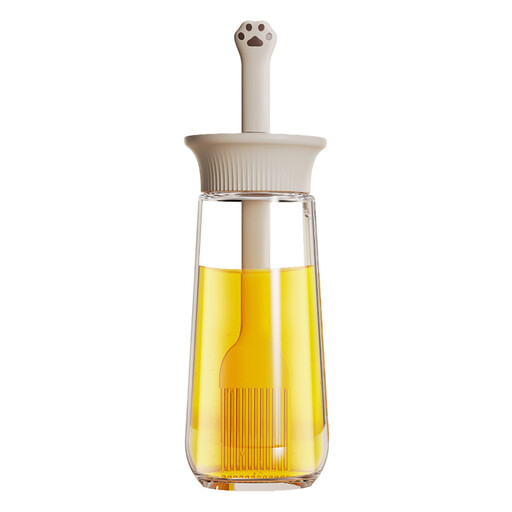
Why it suits this need: This dispenser is aimed at home cooks and keen bakers who want to brush oil, egg, honey or jam onto food using the integrated brush.
According to the product description, its detachable design makes cleaning easier. Follow the stated safety instructions before using it with hot oil.
280 ml capacity, soda-lime glass, silicone brush and removable components.
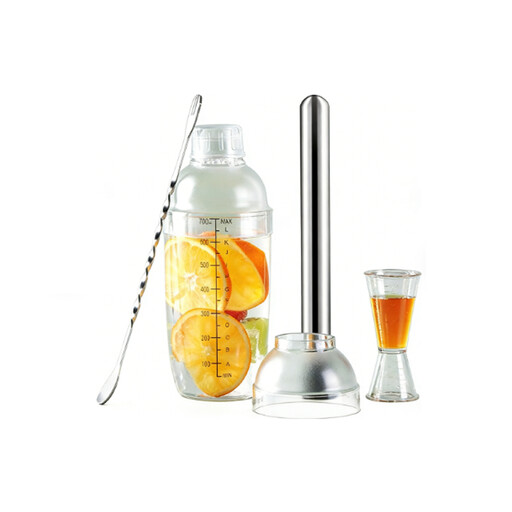
Why it suits this need: This set is a useful addition to a home where drinks are measured, mixed and served as well as kitchen liquids being stored in bottles.
The contents are clearly listed: shaker, splash-proof lid, bar spoon, measuring cup and 30 cm muddler. This makes it easy to check what’s included before you buy.
Four-piece set with a 700 ml shaker and accessories for measuring and mixing drinks.
We’ve put together a comprehensive, regularly updated list of products that meet these strict selection criteria and fully comply with the safety regulations in force in the EU.
Depending on how you work, a few other tools may come in handy:
If they can be removed, clean the container, pourer and seals separately with warm water and mild washing-up liquid. A soft brush can often help shift oil residue. Make sure all the parts are completely dry before refilling. Always follow the manufacturer’s instructions.
It depends on how you plan to use it. Glass lets you see what’s inside, while stainless steel blocks out light and, when the material is clearly specified, offers durability for everyday use. Both options need a hygienic closure and regular cleaning.
There’s no single recommended lifespan for the container. Check for visible damage, make sure the closure works properly and keep the bottle hygienic. Don’t leave oil for unnecessarily long in a dirty or open bottle. Regular cleaning and refilling with smaller quantities can make it easier to keep in good condition.