
Lieferung heute & morgen

Qualitätsgarantie

Willkommens-Angebote freischalten: KOSTENLOSE Lieferung | Bis zu 80 % RABATT | Kostenlose 30-Tage-JoyPlus-Testphase
App herunterladen
A kitchen oil dispenser should do more than simply store liquid. It should allow controlled pouring, stay clean when being refilled and be easy to clean without too much effort. However, many disappointing purchases are caused by details that are barely noticeable in product images. A narrow spout can become blocked, a leaking closure can leave traces of oil and an oversized container may sit around with its contents exposed for too long.
This buying guide explains what households, keen cooks and catering businesses should look for in an oil bottle with pourer, an oil and vinegar dispenser or a kitchen spice dispenser.
Terms such as ‘anti-drip’ or ‘leak-proof’ often describe the design, but they are not uniform, legally defined quality standards. The key factors are the connection between the pourer and the bottle, how precisely the closure fits and whether the pourer can be cleaned thoroughly.
So check the following:
A glass oil bottle with a capacity of 500 ml is suitable for households that regularly use oil or vinegar. For varieties that are only used occasionally, a smaller capacity may be more practical. Larger containers reduce the need for refilling, but take up more space and are harder to handle when completely full.
For sauces or mayonnaise, a flexible sauce dispenser with a wide opening is often more practical than a narrow glass bottle. Salt, pepper and dry spices have different requirements from liquids.
Glass lets you see the contents at a glance, but it is vulnerable to impact. Stainless steel is less sensitive to light and can feel more robust for daily use. For models with a wooden handle or bamboo stand, follow the care instructions, as prolonged contact with water can damage the material.
Also pay attention to materials intended for food contact. The product description should clearly state whether the materials include glass, stainless steel, silicone, plastic or wood. A general statement such as ‘food-safe’ does not replace checking the specific material details and usage instructions.
A long, narrow pourer can make it easier to measure out small amounts of oil or vinegar. For thick sauces, honey or mayonnaise, however, a larger opening is more suitable. A non-return feature can help reduce the amount of liquid left on the pourer, although its actual performance depends on the design and on closing the dispenser correctly.
A kitchen bottle with dispenser should ideally be operable with one hand if it is to be used directly beside the hob. For applying oil to baked or grilled food, a model with an integrated silicone brush may be more practical.
Common sizes range from small 150-ml bottles to containers with a capacity of 1,000 ml. Compact models are often more convenient on the dining table, while frequent users may benefit from a larger refillable spice bottle or a stainless steel oil dispenser.
Measure the available space before buying. Particularly tall bottles can be problematic beneath wall cupboards. A set with a holder keeps several containers organised, but requires more space than individual bottles.
A wide opening makes filling easier and reduces spills. Removable components allow more thorough cleaning. Whether a dispenser is dishwasher-safe should only be assessed based on the manufacturer’s instructions. For example, hand washing is recommended for glass bottles with a bamboo stand.
Oil, vinegar and sauces should be emptied, cleaned and dried completely at regular intervals. This helps prevent residue from building up around the seal and pourer.
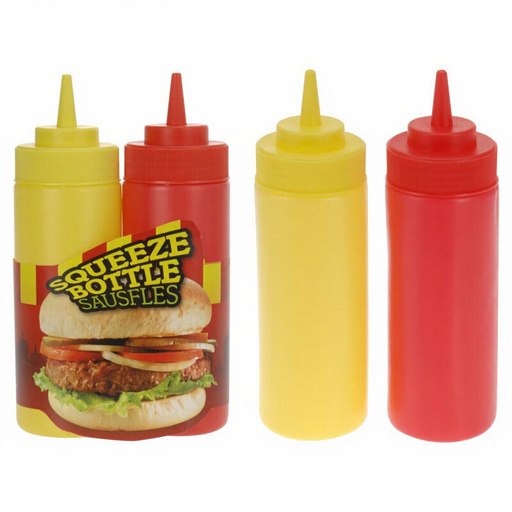
Why this product suits this profile: Two 400-ml bottles provide a simple way to keep oil, vinegar, ketchup, mustard or dressings separate. The set is suitable for beginners and households looking for flexible containers for different liquids.
According to the product details, the flexible bottle has a screw cap and a wide neck for refilling and cleaning. This means it is not limited to a single type of liquid.
Two 400-ml containers, flexible material and a pourer designed for sauces and oils.
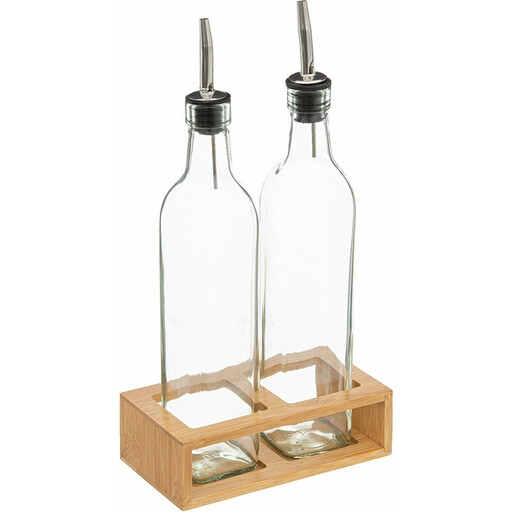
Why this product suits this profile: This set combines two transparent glass bottles with a bamboo stand. It keeps the worktop tidy and is ideal for storing oil and vinegar separately.
The product details state that each bottle holds approximately 0.48 litres and features practical pourers and a refillable design. The stand keeps both bottles together instead of leaving them spread individually across the worktop.
Glass, stainless steel and silicone elements, plus a bamboo stand; hand washing is recommended for care.
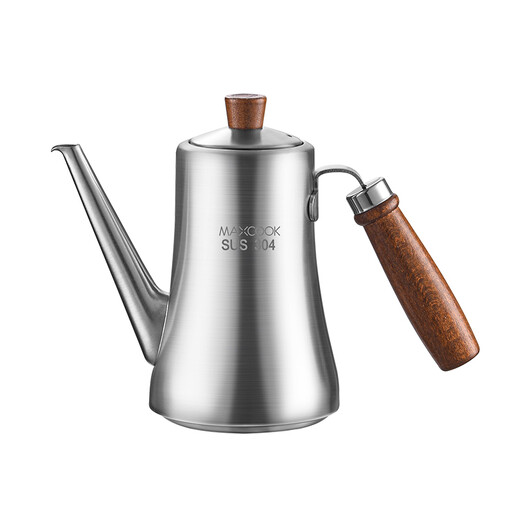
Why this product suits this profile: The large container is designed for frequent users who regularly use oil or liquid seasonings. The handle and described one-handed operation are designed for repeated portioning beside the hob.
According to the product description, the wide opening makes refilling and cleaning easier. The integrated dust cover protects the pourer. Hand washing is recommended because of the wooden handle.
304 stainless steel container, 1,000 ml capacity, ergonomic handle and a described pourer with non-return feature.
We have put together a complete, regularly updated list of products that fully meet these strict selection criteria and the safety regulations applicable in the EU.
The bottle, lid and pourer should be cleaned separately where the design allows. Use warm water and a suitable washing-up liquid. All parts must then be dried completely before new oil is added. For wooden or bamboo elements, follow the relevant care instructions.
For everyday use, 400 to 500 ml is often a practical range. Small households or varieties of oil used only occasionally may be better suited to 150 to 300 ml. Catering businesses and frequent users can also consider 1,000 ml, provided the bottle stands securely and is cleaned regularly.
This depends on the size of the pourer opening. Thin sauces, vinegar and oil can usually be used in traditional dispensers. For ketchup, mayonnaise or thick dressings, a flexible squeeze bottle with a wide opening is more suitable. Separate containers also prevent the smells and residues of different foods from mixing.