
Lieferung heute & morgen

Qualitätsgarantie

Willkommens-Angebote freischalten: KOSTENLOSE Lieferung | Bis zu 80 % RABATT | Kostenlose 30-Tage-JoyPlus-Testphase
App herunterladen
A kitchen oil dispenser should do more than just store liquid. When frying, baking, grilling or plating up, controlled pouring, a clean seal and easy cleaning are essential. At the same time, oil bottles, pourers and squeeze bottles differ significantly in material, capacity and intended use.
To avoid disappointment shortly after purchase, it is worth looking at three typical weak points: unsuitable pourers, hard-to-reach interior areas and the wrong size.
A very small spout can limit the flow of oil, but it can also clog more quickly. With thick liquids such as syrup, dressing or certain sauces, this leads to uneven flow. What matters is the shape of the pourer, whether it has a drip-free design and the size of the opening for refilling.
An oil pourer should ideally be designed so that oil does not run down the outside. A lid or dust cap can also prevent kitchen dust from reaching the opening.
A 1,000 ml oil bottle needs refilling less often, but it takes up more space and is heavier when full. For occasional use, a smaller kitchen oil bottle of around 250 to 500 ml may be easier to handle. If you cook daily or use several different condiment liquids, a larger container could be beneficial.
For oil, vinegar and sauces, you should also check whether the container is suitable for the particular consistency. An oil and vinegar dispenser with a narrow pourer is not necessarily suitable for thick sauces.
The term leak-proof oil bottle should not be taken at face value. What matters is a well-fitting lid, a stable connection between the bottle and pourer, and a secure base. Before buying, check the product description and care instructions. After filling, the bottle should be stored upright and the closure fully sealed.
A glass oil dispenser allows you to see the contents at a glance. This is handy if you use different oils or want to check the fill level without opening it. However, glass can break if knocked and should be handled with care.
A stainless steel oil dispenser is generally opaque and can be robust in everyday kitchen use with proper care. For models with a wooden handle, follow the care instructions, as prolonged soaking can damage the wood.
With plastic or squeeze bottles, flexibility and low weight are typical features. For food contact, buyers should check the manufacturer's specifications. In the EU, the requirements of Regulation (EC) No 1935/2004 for materials in contact with food, as well as good manufacturing practice guidelines, apply. Such information should be verifiable in the product details and not simply inferred from marketing claims.
For daily use, the following considerations are helpful:
Also check the height of the bottle. A slim model may fit into a spice rack, whereas a tall oil bottle can be awkward to store under wall cabinets.
A wide filling opening makes refilling easier without a funnel. Removable parts simplify cleaning, but must be dried thoroughly afterwards. Only assume a dispenser is dishwasher-safe if this is explicitly stated.
An oil dispenser with a brush is useful for baking trays, grilled food, dough or vegetables. The brush should be removable and made from a material suitable for the intended temperature range. The model in the selection below features a silicone brush and is noted as being disassemblable.

Why this product suits the profile: The two-piece set is ideal for households that want to keep oil and vinegar separate and within easy reach. The glass construction allows you to see the contents directly.
Two separate bottles reduce the need to frequently decant different liquids. Before buying, check the pourer and cleaning method against the full product details.
Set of two glass bottles; fill level remains visible.
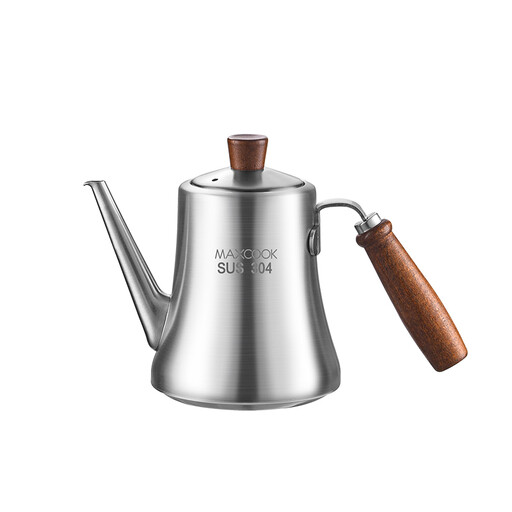
Why this product suits the profile: According to the product details, the dispenser is made from 304 stainless steel, features an ergonomic handle and is designed for one-handed operation.
The wide opening is described as suitable for refilling and cleaning without a funnel. Hand washing is recommended for the surface and wooden handle.
500 ml capacity; 304 stainless steel body; silicone dust cap.
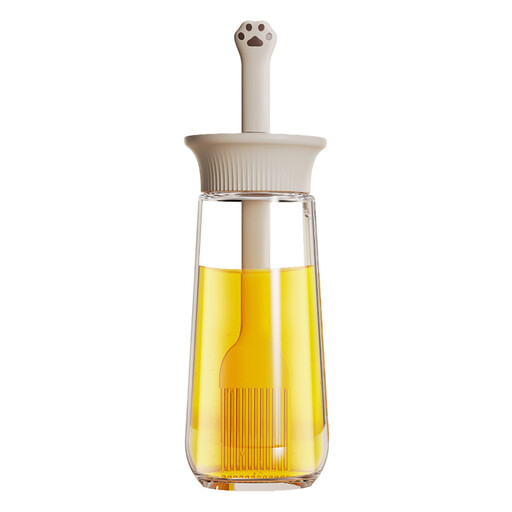
Why this product suits the profile: The integrated silicone brush is designed for applying oil, egg, honey or jam, making it ideal for baking and grilling.
The removable construction makes cleaning easier, according to the product description. Please observe the stated safety instructions before using with hot liquids.
280 ml capacity; glass container; integrated silicone brush; disassemblable parts.
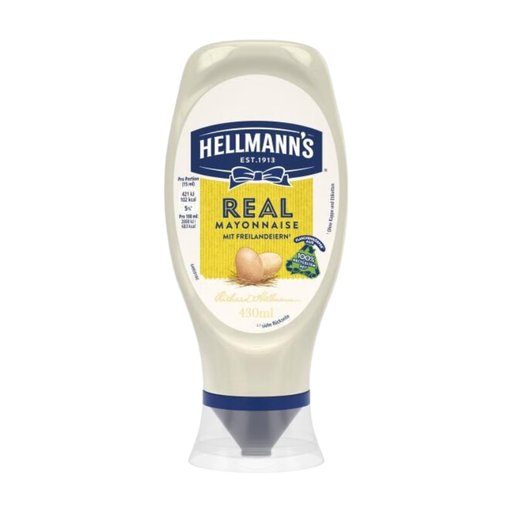
Why this product suits the profile: The ready-to-use mayonnaise comes in a squeezable bottle, making it easy to dose onto sandwiches, salads and burgers.
The squeeze format avoids the need for additional decanting. According to the product information, the bottle should be refrigerated after opening; allergens and usage details are on the packaging.
430 ml content; ready-to-use product; squeezable packaging.
The right design depends on the contents:
Oil residue should not be allowed to dry on the pourer for extended periods. Wipe the opening after use and clean the container and individual parts according to the manufacturer's instructions. Avoid knocking glass. Stainless steel should not be treated with abrasive cleaners, and wooden handles should not be left to soak in water.
We have compiled a complete, regularly updated list of products that fully meet these strict selection criteria and the safety regulations in force in the EU.
Glass makes it easy to see the contents and is flavour-neutral, but it can break. Stainless steel is opaque and robust with proper care. Plastic and squeeze bottles are lightweight and flexible. What matters are the specific details regarding food contact, closure and cleaning.
Look for a precisely shaped pourer, a drip-free design and a well-fitting cap. Wipe the opening briefly after pouring. A bottle that drips persistently should not be used further if liquid is getting onto work surfaces or the floor.
This depends on usage. With daily use, regular deep cleaning is recommended, especially if oil is sticking to the pourer. After washing, all parts must be thoroughly dried before the dispenser is refilled.