
Lieferung heute & morgen

Qualitätsgarantie

Willkommens-Angebote freischalten: KOSTENLOSE Lieferung | Bis zu 80 % RABATT | Kostenlose 30-Tage-JoyPlus-Testphase
App herunterladen
A well-organized kitchen not only makes cooking easier but also creates a calmer, more pleasant atmosphere. However, the market for kitchen organizers is saturated, and many products don't live up to their promises. Before you invest, it's crucial to understand the common pitfalls that often lead to disappointment and unnecessary expenses.
Many buyers focus on design while overlooking critical functional flaws. The most common problems include:
A well-designed kitchen organization system is built on functionality, not just aesthetics.
To avoid buyer's remorse, you should focus on three objective criteria. These will help you separate the good from the bad and find a durable solution for your kitchen storage.
The material is decisive for the stability and longevity of a kitchen organizer.
The key to effectively creating kitchen storage space lies in flexibility. Before buying, measure the available space precisely: the internal width, depth, and height of the cabinet or drawer.
Look for customizable systems:
A good kitchen cabinet organizer utilizes the available space with precision.
The type of attachment determines where and how you can use the organizer.
Here are some product suggestions tailored to specific user profiles that avoid the common pitfalls mentioned.
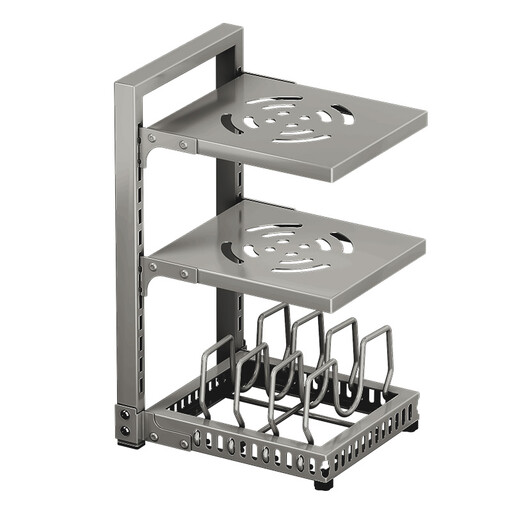
Why This Fits Their Persona: Ideal for those who want to store heavy cookware like pans and pots in deep cabinets or drawers in a space-saving and accessible way. The vertical storage prevents scratches and makes access easier.
The construction of sturdy carbon steel prevents sagging. Thanks to adjustable tiers, it bypasses the problem of rigid, one-size-fits-all designs and can be adapted to different pot and lid sizes.
High load capacity for heavy cookware; flexible compartment division as a pot lid holder and pan organizer.
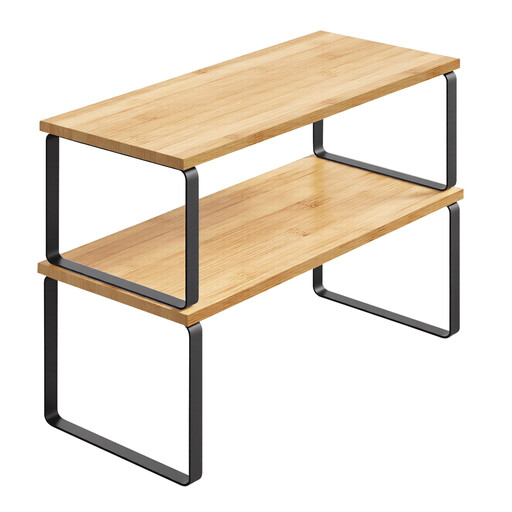
Why This Fits Their Persona: Perfect for anyone looking for a versatile solution for countertops or cabinets. The set can be stacked, placed side-by-side, or arranged in an L-shape to organize plates, cups, or pantry items.
The modular design solves the problem of rigid dimensions. The combination of metal and engineered wood offers a load capacity of up to 15 kg per shelf, which is sufficiently stable for most kitchen applications.
Stackable and nestable design for maximum flexibility; can also be used as a spice rack.
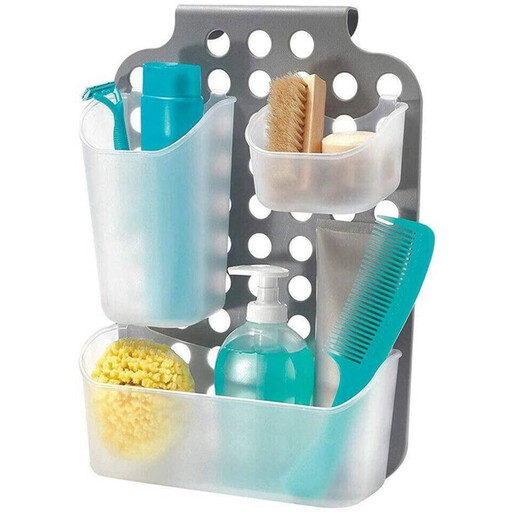
Why This Fits Their Persona: Ideal for renters or those with small kitchens who want to utilize unused space on the inside of cabinet doors without drilling. Perfect for cleaning supplies, foils, or small pantry items.
This system completely avoids the trap of surface-damaging mounts, as it is hung without any tools. It is designed for a specific application and doesn't waste space with ill-fitting dimensions.
Instantly creates additional storage space with no installation effort; lightweight yet durable polypropylene.
We have compiled a complete, up-to-date list of products that fully meet these strict selection criteria and applicable safety regulations.
Always measure the internal dimensions of the cabinet or drawer: the usable width, depth, and height. Take into account any obstructions like hinges or pipes. For over-the-door organizers, the thickness of the door is crucial—measure it at the top edge.
Yes, that is a potential risk. Strong adhesives can damage paint, veneer, or foil finishes on kitchen furniture upon removal. The risk is lower on non-sensitive surfaces like tiles. For rental apartments or delicate surfaces, freestanding, hanging, or screw-in solutions are often the safer choice.
A spice rack is specifically designed for storing small, uniform containers like spice jars. The tiers are often narrow and stepped to ensure good visibility. A universal kitchen cabinet organizer or cabinet insert is more versatile. It offers larger, often adjustable surfaces for organizing plates, bowls, canned goods, or larger packages.