
Lieferung heute & morgen

Qualitätsgarantie

Willkommens-Angebote freischalten: KOSTENLOSE Lieferung | Bis zu 80 % RABATT | Kostenlose 30-Tage-JoyPlus-Testphase
App herunterladen
A well-organized kitchen is the foundation for efficient and enjoyable cooking. However, spices, oils, and cooking utensils often get in the way, taking up valuable counter space. A well-designed kitchen organizer shelf can remedy this by creating dedicated new storage and establishing a clear organizational system in the kitchen.
This article introduces various types of kitchen organizers—from countertop shelves to wall-mounted kitchen shelves. The goal is to provide you with an objective overview of functional and stylish solutions so you can find the right model for your needs.
Before you make a decision, several key aspects should be considered to ensure the organizer performs its function optimally.
The material determines not only the durability but also the aesthetic. A wooden kitchen shelf lends the kitchen a warm, natural touch and pairs well with a farmhouse style. Metal shelves, on the other hand, often have a modern or industrial look, are sturdy, and are typically easy to clean. Pay attention to the surface treatment, especially with metal, to ensure rust resistance.
Consider where you want to create additional storage space.
A good kitchen organizer adapts to your needs. Models with adjustable or expandable elements offer flexibility as your inventory changes. Special compartments for spice storage or hooks for cooking utensils enhance practical utility. A stackable shelf, for instance, can be expanded or separated as needed.
Here is a selection of different organizer models, distinguished by their specific features and applications.
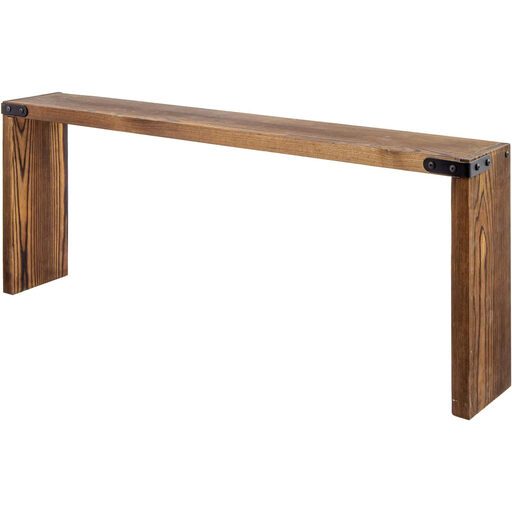
Why It Stands Out: This shelf utilizes the often-unused space above the stove or on the back of the countertop. The combination of solid, torched wood and industrial metal brackets creates a striking visual accent that blends rustic charm with modern design.
Advantages:
Who Is It For? For home cooks who need a large storage surface directly in the cooking area and appreciate a farmhouse or industrial look. It is an ideal countertop organizer for wide countertops or stove areas.
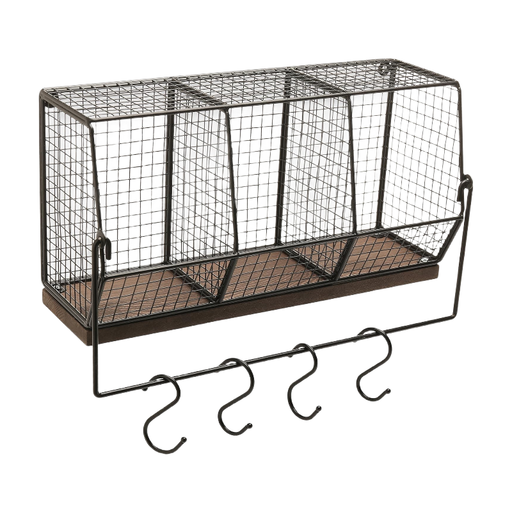
Why It Stands Out: This wall-mounted kitchen shelf combines storage space with practical additional features. The black metal wire design and the integrated towel bar with S-hooks make it a multifunctional organization system.
Advantages:
Who Is It For? For those with limited counter space who are looking for a wall-mounted solution. It is ideal for storing spices and hanging utensils in one central location.
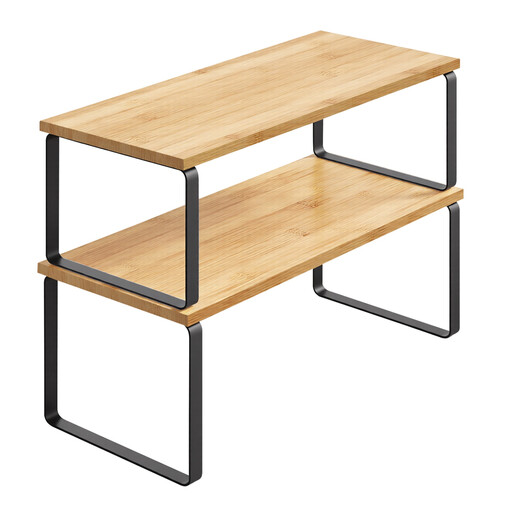
Why It Stands Out: The strength of this set lies in its exceptional flexibility. The two shelves can be stacked, placed side-by-side, or used separately to customize storage space in cabinets or on the countertop.
Advantages:
Who Is It For? For anyone looking for an adaptable solution for more order in the cabinet or on the countertop. This cabinet shelf insert for the kitchen is ideal for improving the organization of cans, spices, and dishes.
The products presented here offer a glimpse into the variety of available kitchen organizers. For lovers of the industrial style or those looking for more robust storage solutions, our selection of Black Metal Shelves provides additional inspiration.
1. What is the best way to create storage space in a small kitchen? In small kitchens, utilizing vertical space is crucial. A wall-mounted kitchen shelf or hanging organizers are effective solutions. Additionally, organizers like a cabinet shelf insert help to better structure the existing space in cabinets and drawers and increase visibility.
2. What material is suitable for a spice rack? The choice of material depends on personal preference and kitchen style. A wooden kitchen shelf offers a warm, classic look. Metal is durable, easy to clean, and pairs well with modern or industrial decor. Plastic is a lightweight and often budget-friendly alternative.
3. How do I securely mount a wall shelf in the kitchen? For a secure installation, it is important to use the appropriate wall anchors and screws for your specific wall type (e.g., drywall, brick). Before drilling, check for any electrical or water lines in the intended location. Always follow the manufacturer's installation instructions and do not exceed the specified maximum load capacity.