
Lieferung heute & morgen

Qualitätsgarantie

Willkommens-Angebote freischalten: KOSTENLOSE Lieferung | Bis zu 80 % RABATT | Kostenlose 30-Tage-JoyPlus-Testphase
App herunterladen
A play kitchen is more than just a toy—it's a space for creativity, role-playing, and learning everyday routines through play. But the market is vast, and not every model lives up to its promises. As your Joybuy Product Recommendation Officer, I'm here to help you navigate the common pitfalls and make an informed decision that ensures lasting enjoyment.
Many products are advertised with impressive photos, but the reality is often quite different. Pay attention to these three points to avoid disappointment:
To make the right choice, you should focus on a few essential criteria. These factors determine the durability, safety, and overall play value of a kitchen.
The choice of material is a fundamental decision. Both options have distinct advantages.
Realistic features significantly increase the play value. A play kitchen with lights and sound on the hob or microwave makes the cooking experience much more authentic. A tap with a working pump function is a key element, especially for a mud kitchen.
Also, check which play kitchen accessories are included. Pots, pans, and cooking utensils are often a great starting point. Recognisable brand designs, like those in a Miele play kitchen, often feature realistic replicas of real appliances, which increases the recognition factor for children.
The worktop height is crucial for ergonomic and comfortable use. Measure your child's height and compare it with the manufacturer's specifications. Some models are height-adjustable and grow with your child. For the youngest children, from around 18 months, compact, low-to-the-ground models are suitable. A more complex play kitchen for ages 3 and up is appropriate once children begin to develop more detailed role-playing scenarios.
Instead of making a blanket recommendation, we've matched models to different needs and play scenarios.

Why This Fits Their Persona: Ideal for families who value durability and high-end features. The Miele design and grow-with-me functionality make it a long-term investment in playtime fun.
The construction from FSC-certified wood ensures stability. The hob, with its real light and sound effects, bypasses the "style over substance" trap.
Height-adjustable for long-term use; hob with interactive features; high-quality accessories made of wood and imitation stainless steel.
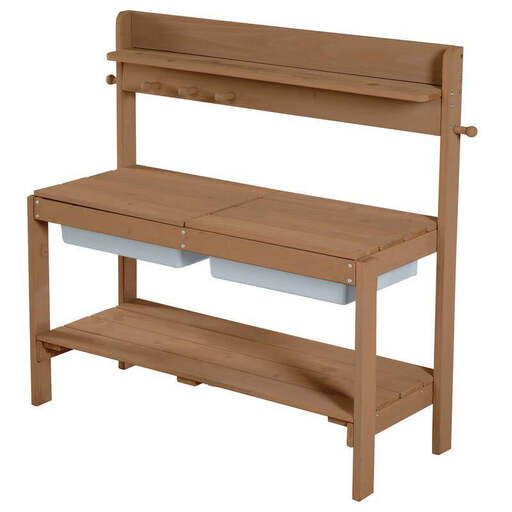
Why This Fits Their Persona: Perfect for children who love to experiment with water, sand, and natural materials in the garden or on the balcony. A robust and versatile solution for outdoor play.
The weather-resistant glazed solid wood prevents swelling and rapid wear outdoors. The removable basins are a practical feature, not just decoration.
Designed for outdoor use; two large, easy-to-clean plastic basins; can also be used as a craft table.
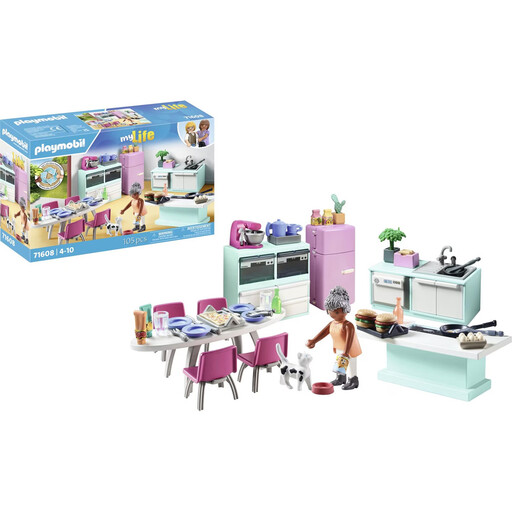
Why This Fits Their Persona: An excellent choice for rooms with limited space or for complementing existing PLAYMOBIL worlds. It encourages detailed, small-scale role-playing.
PLAYMOBIL is known for its robust, durable plastic and thoughtful design. The play value comes from the many small, functional accessories, not from a large, empty shell.
Extremely space-saving; high level of detail with over 100 accessories; can be combined with other PLAYMOBIL sets.
We have compiled a complete, up-to-date list of products that fully meet these strict selection criteria and local safety regulations.
1. From what age is a play kitchen a good idea? Simple, sturdy models are suitable for children as young as 18 months to help develop motor skills. More complex play kitchens with lots of accessories, such as a play kitchen for ages 3 and up, are ideal for older children who are ready to engage in detailed role-playing and make full use of the features.
2. How do you clean a wooden play kitchen? A wooden play kitchen should be cleaned with a soft, slightly damp cloth. Avoid harsh cleaning agents and excessive water, as the wood could swell. Maintenance is generally simpler for lacquered surfaces than for untreated wood.
3. What is the difference between a play kitchen and a mud kitchen? A classic play kitchen is designed for indoor use and mimics a household kitchen. A mud kitchen, also known as an outdoor kitchen for kids, is made from weather-resistant materials and is specifically intended for outdoor play with water, sand, soil, and leaves. It is more robustly built and often includes basins or even a water connection.