
Lieferung heute & morgen

Qualitätsgarantie

Willkommens-Angebote freischalten: KOSTENLOSE Lieferung | Bis zu 80 % RABATT | Kostenlose 30-Tage-JoyPlus-Testphase
App herunterladen
A precise digital scale is an indispensable tool—whether in the kitchen for perfect baking results, in the bathroom for monitoring your health goals, or when preparing specialty coffee. But the market is crowded and filled with products whose marketing claims often fall short. Many buyers only realize after a few weeks that their new device is inaccurate, difficult to clean, or packed with superfluous features that needlessly drive up the price.
As your Joybuy Product Recommendation Officer, I'm here to help you navigate these pitfalls. In this guide, I'll show you the critical features to look for to find a durable and reliable electronic scale that perfectly matches your needs.
Before we dive into the important technical details, let's highlight the typical problems that can lead to a purchase you'll regret.
To make an informed decision, focus on the following three core aspects. These determine the performance and longevity of your new scale.
A scale's most important characteristic is its precision. This is determined by the increment (the smallest possible measurement step) and the quality of the sensors.
The material affects not only the appearance but also the durability and hygiene.
Not every feature is useful for every user. Check which features you really need.
Here are some models tailored to specific needs that meet the quality criteria mentioned above.
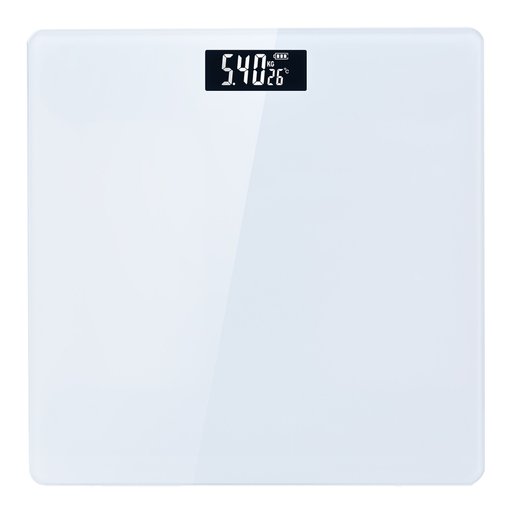
Why This Fits Their Persona: Ideal for users seeking a simple, reliable personal scale for daily weight tracking without paying extra for unnecessary features. The clean design fits into any bathroom.
This model avoids the trap of overloaded features. It focuses on one core task—precise weighing—and performs it reliably with high-quality sensors.
High precision of 0.05 kg, a robust platform made of 4 mm tempered glass, and a high weight capacity of 180 kg offer a solid overall package.

Why This Fits Their Persona: Perfect for coffee enthusiasts who value repeatability and precision when preparing espresso or pour-over coffee. Its compact size fits on most espresso machine drip trays.
This scale offers smart features with real utility. The automatic timer starts as soon as liquid is detected—a function that actively simplifies the brewing process, not just a gimmick.
High accuracy of 0.1 g, the intelligent auto-timing function, and a rechargeable battery with a USB-C port make it a modern and practical tool.
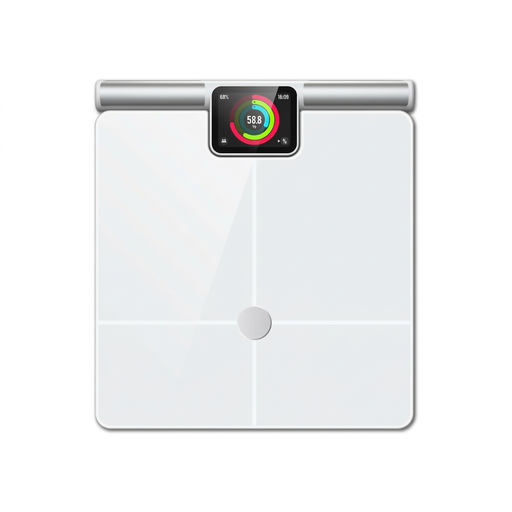
Why This Fits Their Persona: For users who want to track more than just their weight. This model provides detailed insights into body composition, making it a tool for serious health and fitness management.
Instead of inaccurate estimates, this scale uses advanced 8-electrode BIA technology. Measuring through both hands and feet allows for a segmental analysis of arms, legs, and torso, offering real value over simpler smart scales.
The tracking of 56 body metrics, dual-frequency measurement for higher accuracy, and the display on a TFT color screen make it a comprehensive analysis device.
We've compiled a complete, up-to-date list of products that fully meet these strict selection criteria and safety regulations.
A conventional personal scale measures only your body weight. A body fat scale, on the other hand, uses Bioelectrical Impedance Analysis (BIA). It sends a weak, imperceptible electrical impulse through the body. Since fat, muscle, and water conduct electricity differently, the scale can calculate approximate values for your body composition.
Most modern digital scales for home use have an automatic calibration feature. However, it is crucial to always use the scale on a hard, level surface (e.g., tiles, hardwood). Soft surfaces like carpets will lead to inaccurate measurements. If you move the scale to a new location, it's a good idea to briefly step on and off it once to allow it to adjust to the new surface.
Yes, a weak battery can impair the accuracy of the sensors and lead to faulty measurements. Many digital scales have a low battery indicator. Replace the batteries promptly when this warning appears to ensure consistently precise performance.