
Lieferung heute & morgen

Qualitätsgarantie

Willkommens-Angebote freischalten: KOSTENLOSE Lieferung | Bis zu 80 % RABATT | Kostenlose 30-Tage-JoyPlus-Testphase
App herunterladen
A good pair of kitchen shears is an indispensable tool in any kitchen. It snips herbs more precisely than a knife, opens packaging effortlessly, and can even help with carving poultry. But the market is saturated with models of widely varying quality. It's often only after a few weeks of use that buyers discover their shears are rusting, dulling, or proving difficult to clean. This guide will show you which critical features to look for and how to find durable, functional kitchen shears that are worth the investment.
Before we dive into the key quality features, let's highlight the typical problems that lead to buyer's remorse. Understanding these pitfalls will help you search for a suitable product more effectively.
To make an informed decision, you should focus on three core aspects. These determine the longevity, functionality, and safety of your new kitchen shears.
The heart of any pair of shears is its blades. Look for precise details about the material. High-quality stainless steel, like that used by brands such as Zwilling or WMF (often declared as special formula steel or with specific alloy numbers like 40Cr13), offers high corrosion resistance and edge retention.
Another key feature is micro-serration on one of the blades. These fine teeth prevent slippery items like poultry skin or herbs from sliding away while cutting. The result is a clean, controlled cut.
Sturdy kitchen shears should fit comfortably in your hand without causing fatigue. Ergonomically shaped handles made from high-quality plastic or with soft-touch inserts provide comfort and a secure grip. For demanding tasks like cutting through poultry bones, poultry shears with spring-assistance and a robust locking mechanism are a worthwhile investment.
The ability to take the shears apart is a crucial advantage for hygiene. This allows the blades to be cleaned separately and thoroughly. Also, check if the model is listed as dishwasher-safe. Although hand washing is often gentler on the blades, this feature offers flexibility in daily use.
Consider what you will primarily use the shears for. Good household shears are all-rounders for herbs, packaging, and kitchen twine. However, if you regularly prepare poultry, dedicated poultry shears with reinforced blades and better leverage are the superior choice. Integrated functions like a bottle cap lifter or a screw cap opener can be useful, as long as they don't compromise the primary cutting function.
Here are a few recommendations tailored to different user profiles and requirements.
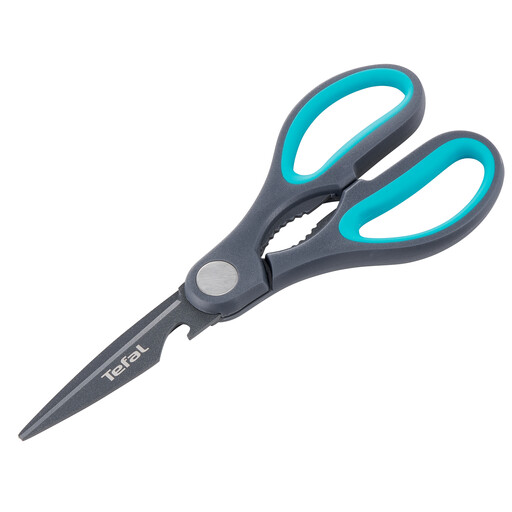
Why This Fits Their Persona: Ideal for daily use where versatility and easy cleaning are top priorities. These shears combine cutting tasks with practical, well-integrated kitchen helpers.
The multi-tools (bottle opener, nutcracker) are solidly integrated without compromising cutting performance. The titanium-reinforced non-stick coating counteracts the trap of low-quality, fast-wearing material.
Ergonomic soft-touch handles for superior comfort; stainless steel blades with a non-stick coating; listed as dishwasher-safe for easy cleanup.
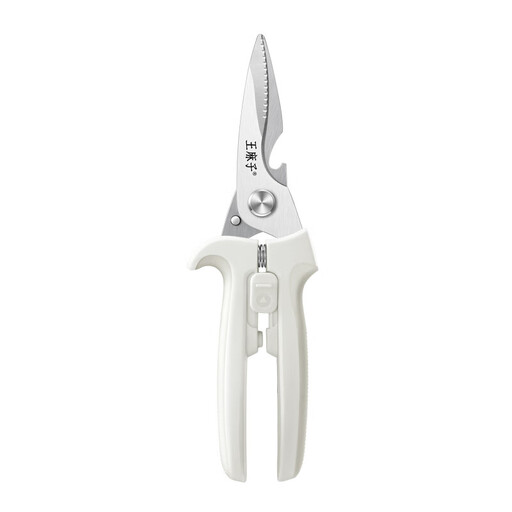
Why This Fits Their Persona: Designed for power and precision. These poultry shears are the right tool for anyone who regularly breaks down chicken or other poultry and needs a reliable, powerful solution.
This model avoids the weak multi-tool trap by specializing in one task: powerful cutting. The 40Cr13 stainless steel used is a specific, robust alloy, not a vague material claim.
High cutting force for poultry bones; spring-assisted design for low-fatigue work; soft handle inserts for a secure grip under high force.
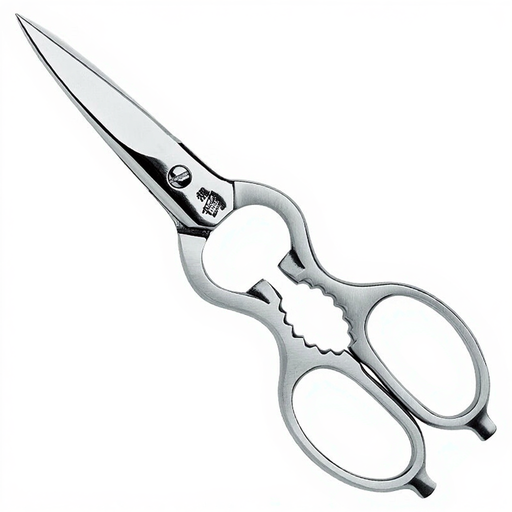
Why This Fits Their Persona: For users who value the highest material quality, durability, and a timeless design. A precision tool engineered for a long service life and made in Germany.
Zwilling uses a precisely defined special formula stainless steel, thus avoiding the trap of vague material promises. The micro-serration is a functional detail that objectively improves cutting performance, rather than being a gimmick.
Blades made of stainless special formula steel with micro-serration for non-slip cutting; Country of Origin: Germany; integrated bottle cap lifter and screw cap opener.
We've compiled a full, up-to-date list of products that fully meet these strict selection criteria and German safety regulations.
1. Are take-apart kitchen shears really more hygienic? Yes. With take-apart shears, the two blades can be completely separated from each other. This allows for a thorough cleaning of the joint area, where food residue and moisture can easily accumulate. This effectively prevents the growth of bacteria and rust.
2. How can I identify good poultry shears? Good poultry shears are distinguished by several features: they have particularly sturdy, often slightly curved blades to better cut through bones and joints. A spring between the handles reduces the effort required. A safety lock that keeps the shears closed is an important feature for safe storage.
3. How do you sharpen kitchen shears correctly? To sharpen kitchen shears, you should use a dedicated scissor sharpener or a sharpening steel. Guide the blade over the sharpener several times at a shallow angle (approx. 10-20 degrees). It is important to only work on the beveled edge of the blade and not the flat inner side. For shears with micro-serration, only the smooth blade should be sharpened, otherwise the serrations will be damaged. When in doubt, using a professional sharpening service is recommended.