
Lieferung heute & morgen

Qualitätsgarantie

Willkommens-Angebote freischalten: KOSTENLOSE Lieferung | Bis zu 80 % RABATT | Kostenlose 30-Tage-JoyPlus-Testphase
App herunterladen
A kitchen sieve is one of the most frequently used kitchen essentials. It washes fruit and vegetables, drains liquids, separates pasta from its cooking water and can sift dry ingredients when baking. Yet unclear product details and unsuitable dimensions often lead to disappointing purchases.
A compact household sieve is handy for berries, individual portions or flour. But a capacity of 0.5 litres is often not enough for pasta, larger quantities of vegetables or draining a pan. A draining sieve that’s too small has to be used several times and is more likely to overflow when filled.
“Stainless steel” doesn’t tell you everything about how a sieve is made. Check the specified type of material, the sturdiness of the sieve body and the finish on the handles and edges. For a stainless steel sieve, it’s also important to check the cleaning instructions, as residue can get stuck in the fine mesh or around the joins.
A kitchen sieve with a handle is easy to hold securely over a pan or sink. For larger quantities, it should also sit securely on the edge of the sink or on a bowl. Models without a suitable resting surface are more likely to tip over. If you’re choosing an extendable sink sieve, make sure it fits the width of your sink.
For regular washing and draining, stainless steel models are durable and keep their shape. Ideally, the product description should specify the type of stainless steel or the material composition. Plastic models can be lighter, but shouldn’t automatically be used with hot liquids or placed in contact with a hob.
A skimmer spoon made from heat-resistant PBT is designed for lifting pasta, vegetables or other foods out of hot water. It won’t replace a traditional sieve, but it’s useful for removing individual portions. Follow any guidance on how long it can safely be left in a hot pan.
These measurements can help you choose the right sieve:
A large vegetable sieve needs enough storage space. A compact household sieve, on the other hand, is easier to store in a drawer or wall cupboard.
Check whether the pasta colander is dishwasher-safe and whether its handle is firmly attached to the sieve body. Fine mesh can become misshapen if it’s cleaned incorrectly. Dry stainless steel thoroughly after washing, especially if water could collect around the joins.
If you’re choosing a container with an integrated sieve, also check the seal, lid and locking mechanism. These designs combine storage and draining, but have more parts to clean.
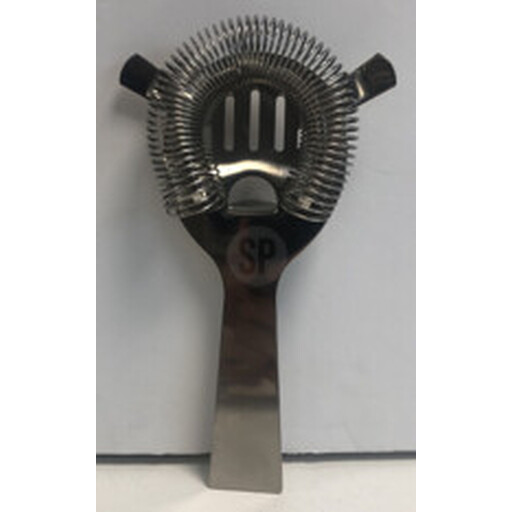
Why it suits these needs: This compact stainless steel sieve is suitable for fruit, vegetables, tinned food and smaller baking ingredients. The handle makes everyday kitchen tasks easier.
The stated dimensions of 17 x 10 cm make it clear what this sieve is designed for, so you won’t expect it to handle large quantities.
Stainless steel construction, fine mesh, a handle and, according to the product information, dishwasher-safe.
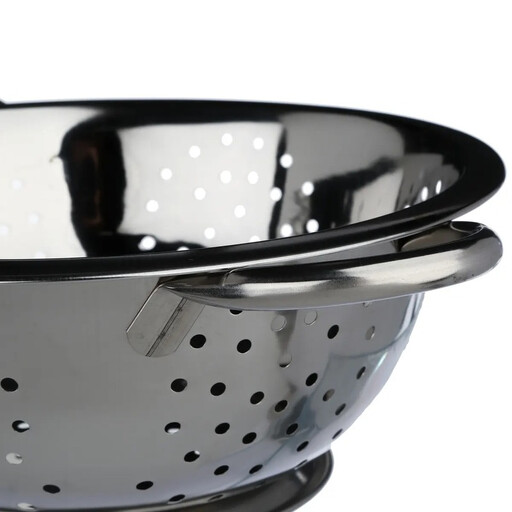
Why it suits these needs: With a capacity of 2.2 litres, a diameter of 24 cm and a height of 12 cm, this sieve is designed for regular kitchen tasks and larger quantities of ingredients.
The precise dimensions and capacity make it easier to compare the sieve with your bowls, sink and usual portion sizes.
Durable stainless steel, a 2.2-litre capacity and versatile use for washing, draining and sifting.

Why it suits these needs: This extendable sieve is ideal for households that often drain larger quantities and use sinks of different sizes.
The extendable design and stated span of 53.5 cm help ensure the sieve isn’t too small for your sink.
A 3.6-litre capacity, stainless steel mesh, extendable rests and a handle for flexible use.
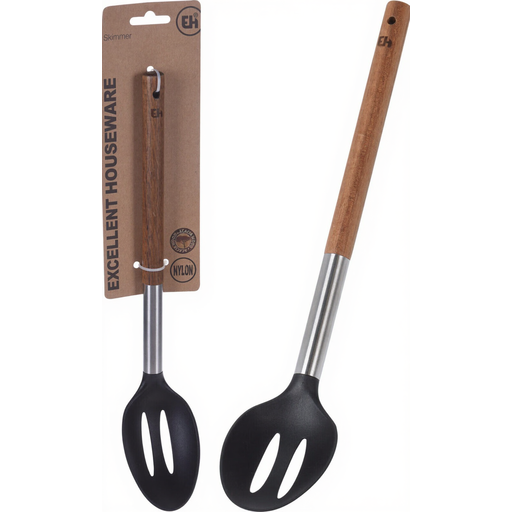
Why it suits these needs: This skimmer spoon is ideal for lifting individual portions of vegetables, pasta, noodles or dumplings from hot liquids.
The heat-resistant PBT material is designed for this type of use. According to the product information, it shouldn’t be left in a hot pan for long periods.
Heat-resistant PBT, a non-slip handle and easy cleaning after use.
We’ve put together a complete, regularly updated list of products that meet these strict selection criteria and the safety regulations in force in the EU.
Around 0.5 litres is enough for small quantities. Families and keen home cooks will usually have more flexibility with a capacity of 2 to 3.6 litres. The key is to make sure the sieve fits in your sink or the bowl you’re using, without needing to fill it right to the brim.
A stainless steel colander keeps its shape and is suitable for frequent use. Plastic can be lighter and is often more affordable. If you choose plastic, pay particular attention to its stated heat resistance and whether it’s dishwasher-safe.
Remove food residue straight after use, rinse fine mesh thoroughly and leave the sieve to dry completely. Check the handle, edges and mesh regularly. If the straining sieve is misshapen, cracked or has any sharp damaged areas, stop using it.