
Lieferung heute & morgen

Qualitätsgarantie

Willkommens-Angebote freischalten: KOSTENLOSE Lieferung | Bis zu 80 % RABATT | Kostenlose 30-Tage-JoyPlus-Testphase
App herunterladen
A kitchen sieve for the sink is designed to rinse food, drain water, and keep kitchen scraps away from the plughole. In small kitchens, there’s an extra requirement: the sieve must be easy to store without taking up unnecessary space on the worktop.
Many poor purchases happen not because of the price, but because of unsuitable dimensions or an impractical design. That’s why it’s worth taking a close look at the actual product details before you buy.
The term “universal” doesn’t tell you much if no reliable measurements are given. An extendable draining sieve needs to match the width and depth of your sink. If the model is too short, it won’t have enough surface area to rest on; if it’s too long, the frame may sit unevenly.
So, check the following:
A fruit and vegetable sieve with large holes lets water drain quickly, but it may not catch small food scraps. A very fine mesh filter, on the other hand, can drain more slowly and will need cleaning more often.
For fruit, vegetables and pasta, a balanced draining pattern works well. For the plughole itself, a fine-mesh kitchen drain sieve is better, as it catches solid debris without slowing the water flow unnecessarily.
Plastic, TPE, TPR and PP can be lightweight and space-saving. Stainless steel holds its shape well and is often used for extendable sink draining sieves. What matters isn’t just the material, but also the manufacturer’s care instructions.
Look out for:
A sieve basket for the sink should sit securely when you place pasta, vegetables or crockery in it. For an extendable model, the maximum length is especially important. The measurements must match the internal or external width of your sink. Also bear in mind that some baskets are only intended for rinsing, not as a permanent resting place for heavy dishes.
A plastic basket can be sufficient for everyday washing up and is often easy to handle. A model made from 304 stainless steel is frequently described by the seller as rust-resistant and suitable for contact with food. You should check such claims directly in the product description; they don’t replace your own inspection of the item’s condition.
For kitchen waste, smaller inserts or filters are useful. A sink filter should be easy to lift out and empty. A kitchen draining basket for vegetables, on the other hand, serves a different purpose and isn’t automatically suitable as a drain filter.
Food scraps should be removed after every use. With a pasta sieve or fruit and vegetable sieve, regular rinsing and thorough drying prevent unpleasant residue. Models with folds, tight joints or hard-to-reach edges need more attention.
In a small kitchen, foldable or extendable versions are practical because they can be stored in a drawer or a narrow cupboard after use.
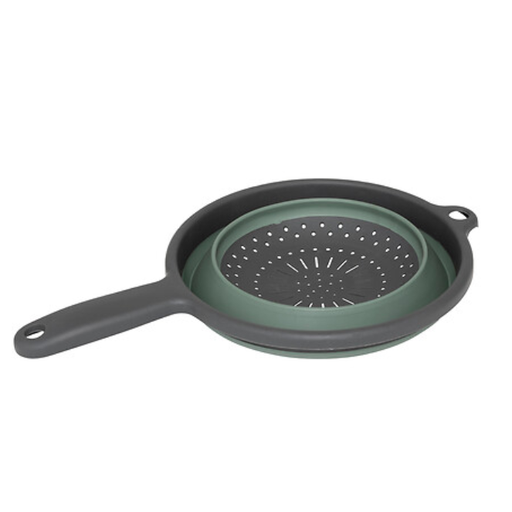
Why this product fits the profile: This compact model, made from TPE, TPR and PP, folds away and is ideal for rinsing fruit, vegetables or smaller portions of pasta.
The stated dimensions of 22.5 × 36.5 × 3.5 cm and the light weight of 0.155 kg make storage easier. However, you should still check whether the resting surface fits your own sink before buying.
Foldable design, light weight and several available colour options according to the product details.
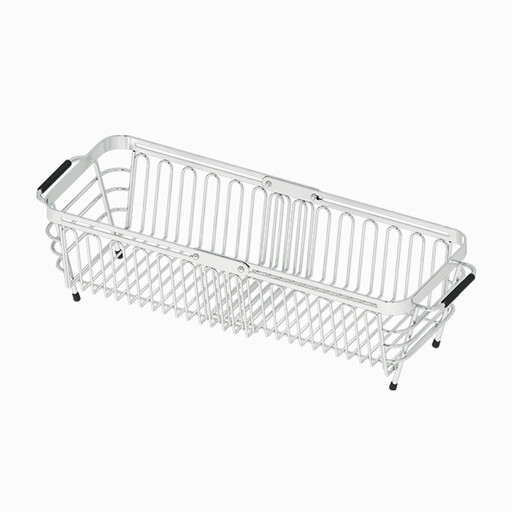
Why this product fits the profile: This extendable stainless steel basket is designed for households that need a sturdy draining basket for washing, draining and temporarily holding kitchen utensils.
The adjustable length of 29 to 44 cm is clearly stated. Before use, make sure the frame sits securely; the product details also mention the recommended load limit.
304 stainless steel according to the product description, dimensions of 29–44 × 15.5 × 10.5 cm and a raised base profile for water drainage.
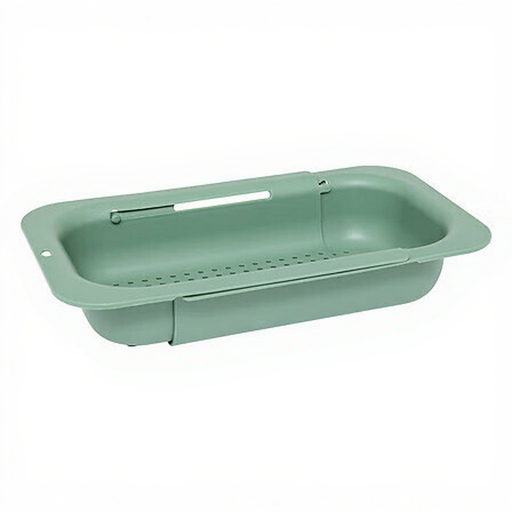
Why this product fits the profile: The extendable arms make this model ideal for people who regularly drain larger quantities of vegetables, fruit or pasta directly over the sink.
The design is intended for various standard sink sizes. Before buying and before each use, check the sink width and make sure it sits securely.
Extendable arms, food-safe plastic according to the seller, and cleaning by hand or in the dishwasher as per the product description.
We’ve put together a full, regularly updated list of products that meet these strict selection criteria and the safety regulations in force across the EU.
A kitchen sieve for the sink will stay functional in everyday use if you use it correctly and clean it regularly:
Measure the distance where the sieve will actually rest. Compare this width with the minimum and maximum length of the model. You also need to consider the depth, the sink rim and the tap. A basket must not block the plughole and should stay put even under light weight.
Place a fine-mesh sink sieve directly over the plughole and empty it as soon as solid debris has collected. Oil, fat and larger kitchen scraps should never go down the drain. A drain sieve doesn’t replace regular cleaning of the waste fitting, but it can catch solid particles while you’re washing up.
A sieve basket is good for washing and draining food. A sink filter, on the other hand, is designed for kitchen waste and protecting the drain. If you’re short on storage space, you can combine a foldable fruit and vegetable sieve with a small, removable drain sieve. That way, each function stays clearly separate.