
Lieferung heute & morgen

Qualitätsgarantie

Willkommens-Angebote freischalten: KOSTENLOSE Lieferung | Bis zu 80 % RABATT | Kostenlose 30-Tage-JoyPlus-Testphase
App herunterladen
A kitchen slicer should save time, deliver consistent results and be easy to clean. In practice, however, some purchasing decisions can lead to disappointment: a vegetable slicer ends up unused in the cupboard because it is too fiddly to assemble, a kitchen knife quickly becomes blunt due to incorrect cleaning, or an electric all-purpose slicer takes up more space than expected.
That is why keen home cooks, families and quality-conscious households should look beyond general advertising claims and consider the product’s actual features. The key factors are the intended use, blade material, safety features, cleaning requirements and available storage space.
A multifunctional appliance may initially sound versatile. However, if it comes with several attachments that are rarely used, the cleaning and storage required also increases. Before buying, you should be clear whether you mainly want to slice vegetables, grate potatoes, create julienne strips or make spirals.
A vegetable slicer or mandoline is suitable, for example, for even slices and strips. A spiraliser, on the other hand, is designed for vegetable noodles and decorative spirals. An electric all-purpose slicer may be more practical for bread, cured meats and cheese.
Descriptions such as ‘sharp’ or ‘long-lasting’ are difficult to assess without technical details. More meaningful information includes specifications such as stainless steel, the precise blade length or the number of replaceable attachments. With an egg slicer, the cutting wires should be sturdy, rust-resistant and securely tensioned.
The handle’s construction also plays a role. A non-slip handle and a stable base make the slicer easier to control. However, this does not replace careful handling: kitchen slicers should always be kept out of children’s reach.
‘Dishwasher-safe’ does not automatically mean that every cleaning method is equally good for maintaining cutting performance. With knives and metal blades, frequent intensive cleaning can put greater long-term strain on the cutting edge. Washing by hand with warm water, a mild washing-up liquid and immediate drying is often gentler on the material.
Always follow the manufacturer’s instructions. According to the product description, the Leifheit Eierschneider Combi ComfortLine is intended for hand washing only, while the ZWILLING Z-Cut Spiral Cutter is described as dishwasher-safe.
For a kitchen slicer that frequently comes into contact with moist foods, stainless steel is a sensible choice of material. With kitchen knives, you should also consider the blade length, handle and intended use. A 13-cm utility knife is easier to handle for fruit, vegetables, cheese and cured meats than a very long chef’s knife.
With a julienne slicer or vegetable slicer, an even cutting width and secure guidance are important. A finger guard is particularly important because your hand works closer to the blade during use. With a spiraliser, check that the attachments fit securely and consider how they will be stored.
Manual slicers should stand securely on the work surface without slipping. A wide base, food holder or finger guard reduces the risk of your hand entering the cutting area. Before use, attachments and blades must be fully locked into place.
Electrical appliances require additional safety features. On the Severin AS 3915, these include a protective guard, a plastic food pusher, a safety switch and non-slip suction feet. The appliance operates at 180 watts and allows the cutting thickness to be adjusted continuously from 0 to 15 mm. This type of information is more useful when assessing performance than a general statement about power.
Measure the intended storage space before buying. An electric all-purpose slicer weighing 4.44 kg needs a permanent place and should be stored safely after use. With manual appliances, replaceable attachments are useful if they can be stored compactly inside the body.
Also check whether spare parts are available, which components need to be cleaned separately and whether the blades can be sharpened or replaced. With knives, a suitable knife block, magnetic strip or blade guard extends their safe service life. Glass, stone or ceramic chopping boards can damage the blade.
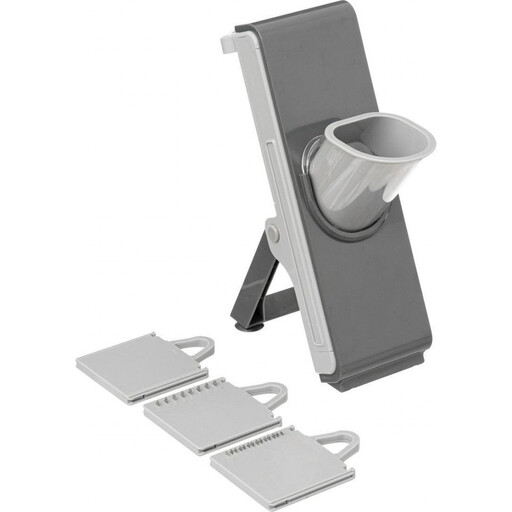
Why this product suits this profile: This manual mandoline is ideal for households that want to prepare slices, strips and pieces with one appliance and do not need a motor.
Pressure aids and a finger guard make handling more predictable. Before buying, you should still check whether cleaning the stainless-steel blade fits in with your routine.
Multifunctional design, stainless-steel blade, stated dimensions of 26.5 × 15 × 9.5 cm and dishwasher-safe according to the product description.
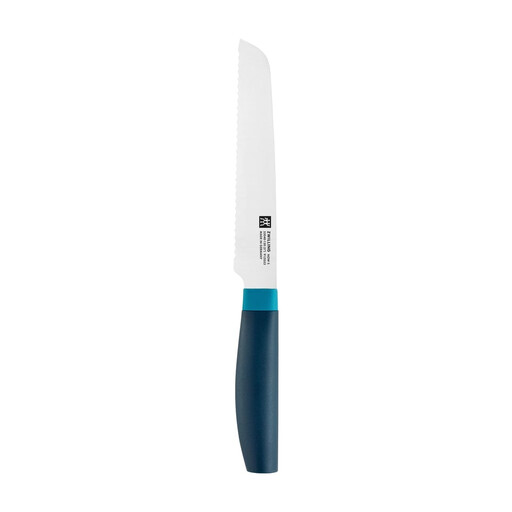
Why this product suits this profile: The 13-cm utility knife is suitable for everyday cutting tasks involving fruit, vegetables, cheese, cured meats and bread.
The product information specifies a special stainless-steel material, FRIODUR ice hardening and a non-slip plastic handle. Hand washing is recommended to help protect the cutting edge.
Easy-to-handle 13-cm blade, made in Solingen according to the product description, and ergonomically designed handle.
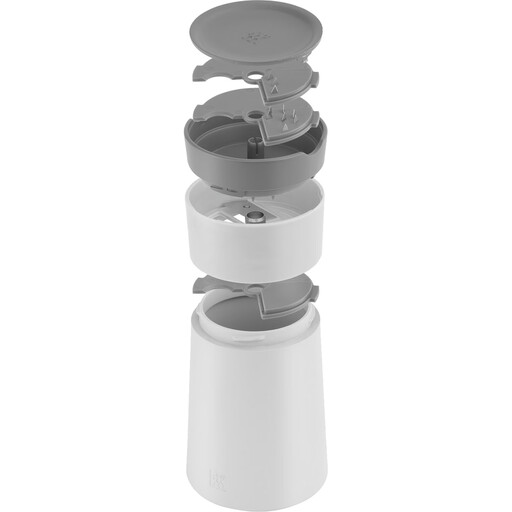
Why this product suits this profile: Three interchangeable stainless-steel blades support vegetable noodles, potato spirals and various salad preparations.
The attachments can be stored in the handle. Before each use, they must be fitted securely and checked for damage.
4-in-1 concept, 18/10 stainless steel, weight of 160 g and dishwasher-safe according to the product information.
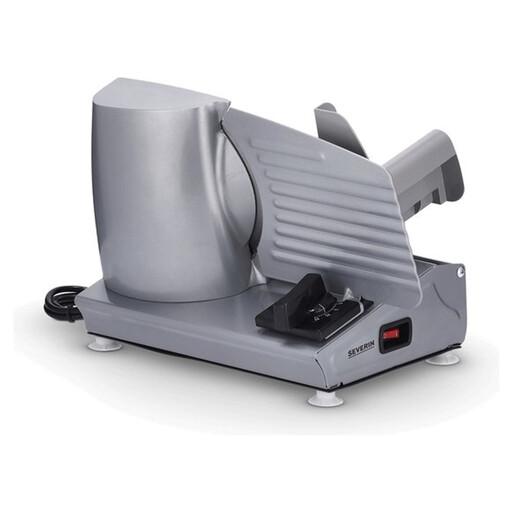
Why this product suits this profile: This electric appliance is designed for households that regularly slice bread, cheese, cured meats, roast meat or vegetables to adjustable thicknesses.
The finger guard, food carriage and safety switch address the most important safety requirements. The appliance is not intended for bones, nuts or frozen food.
180-watt motor, two removable stainless-steel blades and continuously adjustable thickness from 0 to 15 mm.
We have put together a complete, regularly updated list of products that fully meet these strict selection criteria and the safety regulations applicable in the EU.
That depends on the type of cut you want. A vegetable slicer or mandoline is suitable for slices and strips. A spiraliser is ideal for decorative vegetable noodles. A kitchen knife remains the most flexible solution when you need different types of cut without additional attachments.
There is no reliable fixed service life. It depends on the material, frequency of use, food and cutting surface. Glass, stone and ceramic boards can blunt knife blades more quickly. Gentle cleaning, thorough drying and safe storage help maintain cutting performance for longer.
An electric all-purpose slicer can be a good choice for households that regularly need evenly sliced bread, cured meats, cheese or vegetables. Before buying, however, you should consider the space available, weight, cleaning requirements and access to a power socket. If you only occasionally slice eggs or vegetables, a compact manual appliance is often more flexible.