
Lieferung heute & morgen

Qualitätsgarantie

Willkommens-Angebote freischalten: KOSTENLOSE Lieferung | Bis zu 80 % RABATT | Kostenlose 30-Tage-JoyPlus-Testphase
App herunterladen
Whether you’re preparing bread, vegetables, fruit, nuts or meat, kitchen gadgets for slicing and chopping can make food preparation much easier. Options range from manual vegetable slicers and mandolines to electric food slicers and mini choppers. The key is not to look for the longest list of features, but to choose the type that best suits your day-to-day needs.
A multi-cutter with a range of attachments may seem versatile. In practice, however, you may only need two or three types of cut. Before buying, decide whether you mainly want to make slices, julienne strips, cubes, chunky pieces or finely chopped ingredients.
A mandoline or vegetable slicer is typically suited to making even slices and strips. An electric mini chopper, on the other hand, is designed for smaller quantities of vegetables, herbs or nuts. For bread, sausages and roasts, an electric food slicer with an adjustable cutting thickness is a better choice.
The wattage alone doesn’t tell you how well an appliance will handle different foods. With an electric mini chopper, the blade design, bowl capacity, pulse function and permitted operating time also matter. A 500-watt model isn’t automatically suitable for hard or frozen ingredients.
For an electric food slicer, the blade size, cutting thickness range, motor control and food carriage are all important. To slice frozen food, the appliance must have a blade or function specifically designed for that purpose.
Cutting tools must be cleaned thoroughly and dried completely after use. Removable blades, dishwasher-safe components and an easy-to-access design can save time in everyday use. Sharp blades should never be left unprotected in a drawer.
With a mandoline, a finger guard and non-slip base are important features. Electric appliances should have safe controls, a stable base and, where appropriate, a safety lock. Always follow the user manual and manufacturer’s instructions.
First, consider which foods you prepare regularly:
A bread slicer with a serrated blade may be suitable for baked goods. If you want very thin slices, check the available cutting thickness range.
Stainless steel blades resist corrosion and are relatively easy to clean when cared for properly. For manual appliances, make sure the frame also sits securely on the work surface. Plastic parts can reduce weight, but they must not make the appliance unstable to use.
Check whether blades or attachments can be removed safely. When cleaning electric appliances, never immerse the motor unit, cable or plug in water.
A long cutting carriage is useful for bread and larger foods, but takes up more worktop space. A compact mini chopper with a 0.5-litre bowl is easier to fit into a smaller kitchen, but can only process limited quantities at a time.
For families, it’s worth checking the working capacity, how often you’ll need to refill it and how the accessories can be stored. A collection tray can help keep food preparation tidy, while a removable carriage makes cleaning easier.
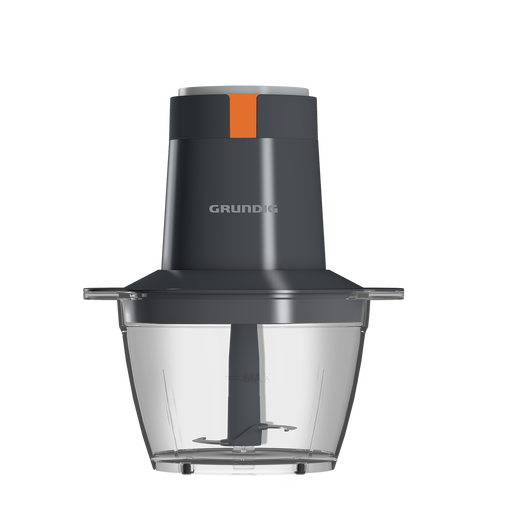
Why it suits this type of user: This compact food chopper is designed for smaller quantities of fruit, vegetables and nuts. Its 0.5-litre glass bowl takes up little space.
Two speed settings make it easier to choose between a coarse or finer chop. The safety lock prevents the appliance from operating if the bowl isn’t fitted correctly.
500-watt motor, removable double stainless steel blade, glass bowl and non-slip base.
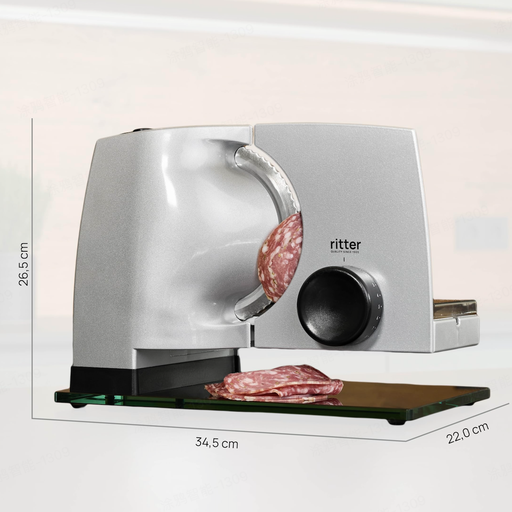
Why it suits this type of user: This electric food slicer is a good option for households looking to slice bread, fruit and vegetables with an adjustable cutting thickness.
The removable food carriage makes cleaning easier. The momentary safety switch and continuous-operation switch are designed for different ways of working.
Serrated blade, cutting thickness of up to around 20 mm, 18-cm cutting carriage and safety glass base plate, according to the product description.
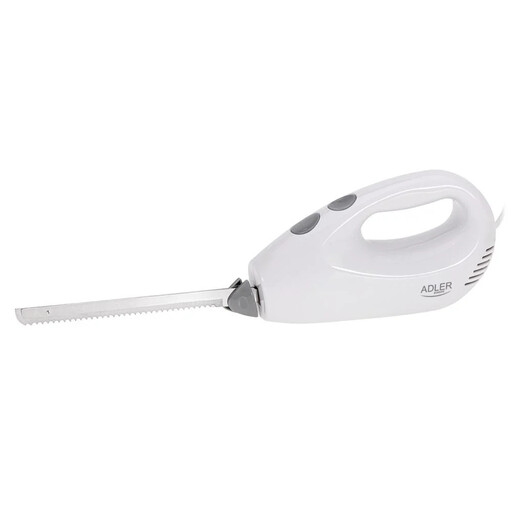
Why it suits this type of user: This electric knife is aimed at people who regularly slice fresh food and, according to the product information, frozen food too.
The two blade sets are designed for different uses. The safety switch and dedicated blade-changing process help ensure controlled operation.
180 watts rated power, up to 200 watts according to the specifications, a 27.5-cm universal blade and a 17-cm blade for frozen food.
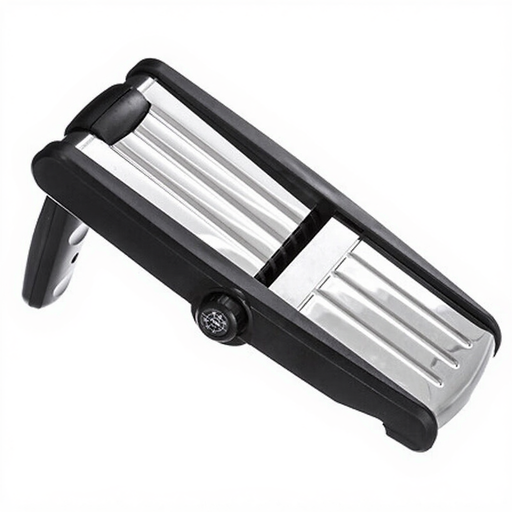
Why it suits this type of user: This manual vegetable cutter is ideal for households that want to prepare slices, julienne strips and grated ingredients without using a motor.
The three interchangeable stainless steel blades cover different cutting styles, without the need for an electric appliance with a motor and cable.
Three stainless steel blades, compact dimensions of 24,5 × 13 × 12,7 cm and a stated weight of 0,365 kg.
We’ve put together a complete, regularly updated list of products that meet these strict selection criteria and fully comply with the safety regulations in force in the EU.
Compact appliances with a specific purpose are handy in small kitchens. A manual vegetable slicer doesn’t need electricity and can be stored away easily. A food chopper with a small bowl may be enough for onions, herbs and nuts. Before buying, consider the space available, cable length and how you’ll store the blades.
First, switch off the appliance and unplug it. Clean removable cutting parts according to the manufacturer’s instructions, then dry them thoroughly. Wipe the housing and motor unit with a slightly damp cloth only. When handling sharp blades, cut-resistant gloves or suitable holders may be useful, if recommended by the manufacturer.
Its lifespan depends on how often you use it, the hardness of the food, how it’s cleaned and how it’s stored. Overloading it, running it for too long without a break or processing ingredients that aren’t approved for the appliance can put strain on the motor and blades. Always follow the user manual, clean the blades after every use and let the appliance cool down between batches when processing larger quantities.