
Lieferung heute & morgen

Qualitätsgarantie

Willkommens-Angebote freischalten: KOSTENLOSE Lieferung | Bis zu 80 % RABATT | Kostenlose 30-Tage-JoyPlus-Testphase
App herunterladen
A good soup ladle, also known as a serving ladle, is an indispensable kitchen tool. Whether for a hearty Sunday stew, a clear broth, or serving sauces, choosing the right model can make your work in the kitchen noticeably easier. But the selection is vast: materials like stainless steel and silicone, handles made of wood or plastic, and various sizes leave many wondering which model best suits their needs.
This article serves as a guide. We will introduce different materials and features and present a selection of soup ladles to provide you with a basis for an informed decision.
Three key criteria will help you find the perfect soup ladle for your household: the material, the ergonomics of the handle, and the cleaning requirements.
The material of the ladle affects not only its durability but also its suitability for specific cookware.
Handling is crucial for daily use. An ergonomically shaped, non-slip handle ensures safety and comfort when scooping. The length of the handle should match the depth of your pots. A handle that is too short can disappear into a large soup pot, while one that is too long can be unwieldy. Some models feature hollow handles that reduce heat transfer, protecting you from burns.
Whether a kitchen utensil is dishwasher-safe is an important criterion for many. While ladles made entirely of stainless steel or plastic can usually be cleaned in the dishwasher without any issues, models with wooden elements require hand-washing to prevent the wood from cracking or warping.
Here you will find a selection of different soup ladles that cater to various needs and preferences.
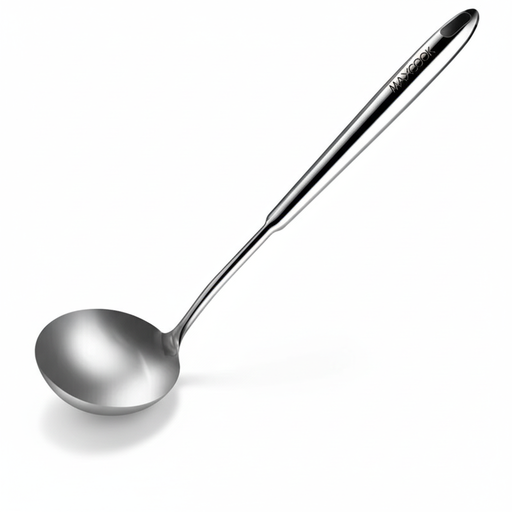
Why This Model Stands Out: This ladle from Maxcook focuses on functionality and durability. Made from 304 stainless steel, it is designed for long-term use. A special feature is the hollow handle, which, according to the manufacturer, reduces heat transfer, making it safer to handle. The finely polished, smooth edges of the ladle head are designed to protect the surfaces of cookware.
Advantages:
Who It's For: For pragmatic cooks looking for a functional, durable, and low-maintenance serving spoon for everyday use.
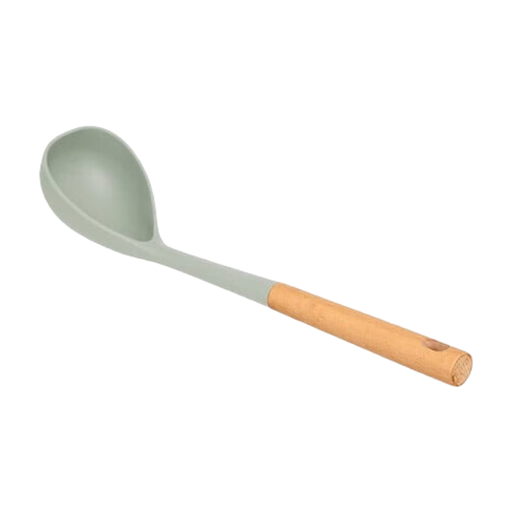
Why This Model Stands Out: The Horizon ladle combines a beechwood handle with a green silicone head. This material combination blends natural aesthetics with practical functionality. The silicone head is heat-resistant and particularly gentle on non-stick cookware, preventing scratches.
Advantages:
Who It's For: For home cooks who value appealing aesthetics and are looking for a silicone soup ladle that is gentle on their non-stick cookware.
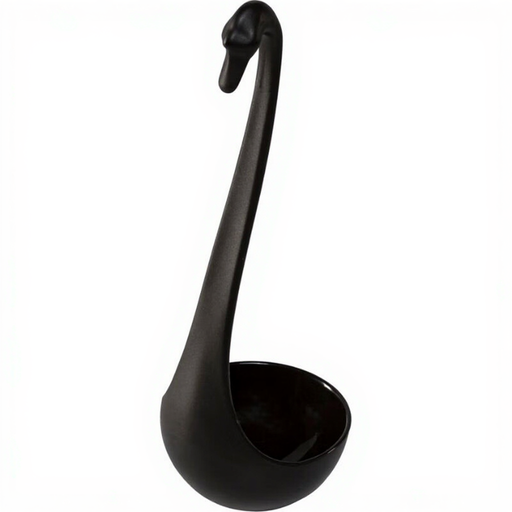
Why This Model Stands Out: The Swanky soup ladle from OTOTO is known for its unique design. It is balanced to float on the surface of liquids, reminiscent of an elegant swan. Made from BPA-free plastic and stainless steel, it is food-safe and suitable for contact with boiling water.
Advantages:
Who It's For: For design-conscious individuals who want a functional kitchen tool with a unique and playful design.
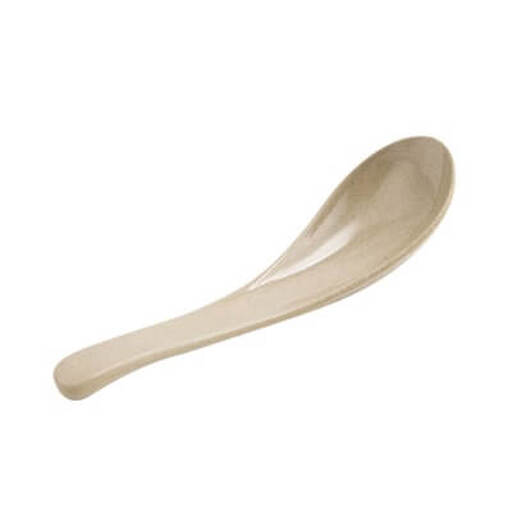
Why This Model Stands Out: This model from Suncha offers a sustainable alternative to conventional ladles. It is made from rice husks, a by-product of rice processing. The ladle is lightweight, sturdy, and features an ergonomic handle for comfortable use.
Advantages:
Who It's For: For eco-conscious consumers looking for a functional and sustainable alternative to kitchen utensils made of plastic or metal.
The models presented already cover a wide spectrum. If you haven't found the right option for your specific needs, you can find more styles, sizes, and designs in our collection.
Discover our entire range of soup ladles
The choice of material depends on your priorities. Stainless steel is very durable, hygienic, and easy to clean. Silicone is ideal for coated cookware as it does not cause scratches. Ladles with a wooden handle offer a pleasant feel and look but require hand-washing.
In most cases, yes. Soup ladles made entirely of stainless steel are generally dishwasher-safe. However, for models with handles made of other materials like wood or certain plastics, you should always check the manufacturer's care instructions to ensure the product's longevity.
The main difference lies in the size and shape. A soup ladle (or serving ladle) has a large, deep bowl to hold a significant volume of liquid, such as soup or stew. A sauce ladle is much smaller and often has a shallower bowl with a small spout on the side. This allows for more precise and drip-free portioning of sauces.