
Lieferung heute & morgen

Qualitätsgarantie

Willkommens-Angebote freischalten: KOSTENLOSE Lieferung | Bis zu 80 % RABATT | Kostenlose 30-Tage-JoyPlus-Testphase
App herunterladen
A spatula, also known as a turner or flipper, is an essential tool in any kitchen. Its primary function is to lift, flip, and portion food in a pan. Choosing the right model depends heavily on your cookware and personal cooking habits. Material selection is especially critical when using non-stick pans to protect the coating from scratches and damage. This guide analyses the technical properties of different spatula types to help you make an informed purchasing decision.
A spatula's functionality is determined by three main factors: the material, the shape of the head (or blade), and the ergonomics of the handle.
The material's properties define its heat resistance, flexibility, and suitability for various pan surfaces.
Silicone Spatulas: Models made from food-grade silicone are a very popular choice. The material is flexible, which makes it easier to slide under delicate foods like fried eggs or fish fillets. A key advantage is its high heat resistance, often up to 230°C (450°F) or more. Silicone is non-porous, does not absorb odours or stains, and is easy to clean. It is ideal for non-stick pans as it won't scratch the surface. Look for a "BPA-free" label to ensure it contains no harmful plasticisers.
Wood Spatulas: Wood, typically beech, bamboo, or olive wood, is a traditional material for kitchen utensils. It is naturally gentle on all pan surfaces and offers a comfortable feel and an aesthetic appeal. Wood is a poor conductor of heat, so the handle won't get hot even with prolonged contact with the pan's edge. A potential drawback is the maintenance: wooden spatulas are generally not dishwasher-safe and must be hand-washed and occasionally treated with oil to prevent cracking and drying out.
Plastic (Polyamide/Nylon): Plastic spatulas are often the most budget-friendly option. They are lightweight, dishwasher-safe, and available in many shapes. High-quality polyamide can also be heat-resistant, but usually within a lower temperature range than silicone. With lower-quality plastics, there is a risk of them melting or deforming at high temperatures. Furthermore, the hard edges or burrs on inexpensive models can damage delicate coatings.
The shape of the spatula's head is important for its intended use.
The front edge of the spatula should be thin and slightly bevelled to slide effortlessly under food. An ergonomically designed, non-slip handle ensures safe and comfortable handling.
Based on material specifications, design, and use cases, here are a few models we recommend.
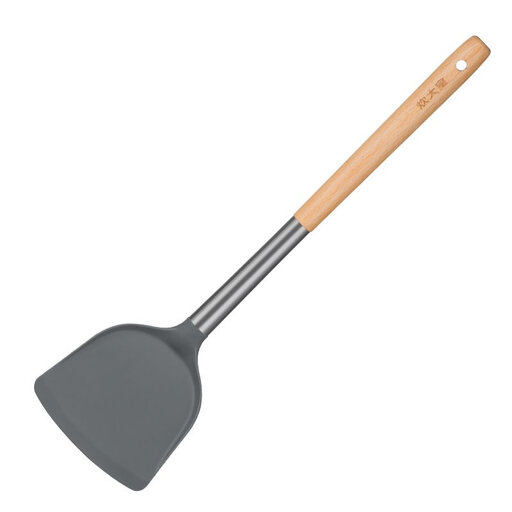
Why we recommend this product: This spatula set from COOKER KING combines the benefits of silicone and wood. The heads are made of BPA-free, heat-resistant silicone that protects non-stick cookware. The water-resistant wooden handles provide a non-slip, comfortable grip. The set includes both a solid and a slotted turner, covering a wide range of uses.
Pros:
Who it's for: This set is a great choice for novice cooks looking for a functional starter kit, as well as for anyone needing a versatile and pan-friendly solution for daily use.
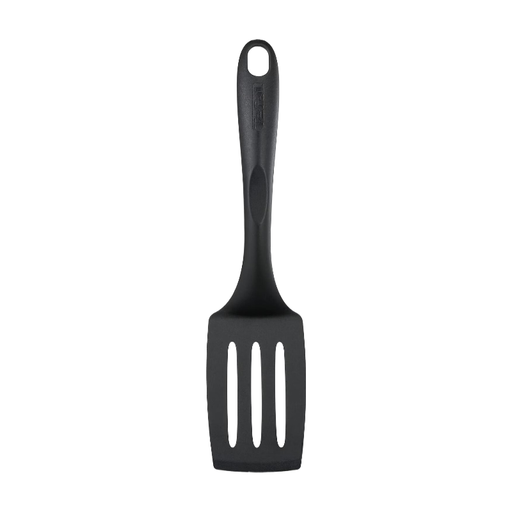
Why we recommend this product: The Tefal turner is a functional, no-fuss tool for everyday cooking. Made from high-quality plastic, it is designed for use in all common pan types, including non-stick and ceramic models. The slotted design allows liquids to drain away, and the entire tool is dishwasher-safe for easy cleaning.
Pros:
Who it's for: Ideal for everyday users who want a reliable, low-maintenance, and affordable spatula for regular use, especially for frying meat, fish, and eggs.
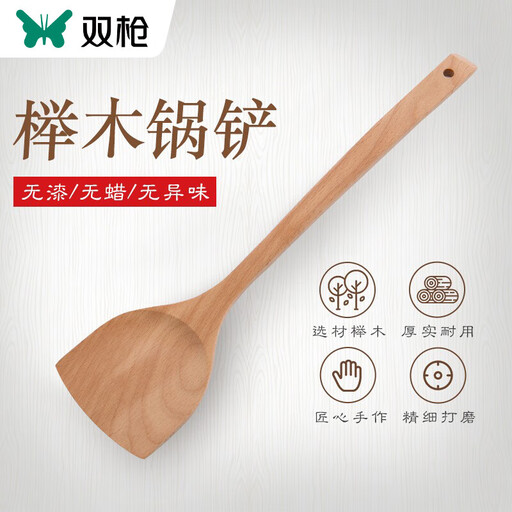
Why we recommend this product: This wooden spatula from Suncha is made from solid beech wood. The natural material is robust yet gentle on delicate surfaces, making it a great choice for non-stick pans and woks. The smooth finish and ergonomic handle ensure comfortable use when frying and stirring vegetables or other delicate ingredients.
Pros:
Who it's for: This model is aimed at home cooks who prefer natural materials and are looking for a specialised tool for gently turning vegetables, scrambled eggs, or other delicate foods.
A good spatula is a tool for precise work in the pan. For tasks that require even greater accuracy, whether for special culinary techniques or for quality control of ingredients, other instruments are useful.
Discover more tools for high-precision requirements in the home and workshop in our [Calipers](https://www.joybuy.de/explore/messschieber/nXz6Bw0x) category.
1. Which spatula is suitable for non-stick pans? For pans with non-stick, Teflon, or ceramic coatings, spatulas made of silicone or wood are the safest choice. Both materials are soft enough not to scratch the delicate surface. High-quality plastic spatulas without sharp edges are also suitable. Metal spatulas should generally be avoided in coated pans, as they can permanently damage the coating.
2. How heat-resistant does a spatula need to be? The required heat resistance depends on the cooking method. Normal frying reaches temperatures of about 180°C to 230°C (350°F to 450°F). A good spatula should safely handle this range. Silicone models are often heat-resistant up to 230°C (450°F) or higher. For plastic spatulas, it is important to check the manufacturer's specifications, as heat resistance can vary greatly. Do not leave plastic or silicone utensils unattended in hot cookware.
3. Can I clean a wooden spatula in the dishwasher? It is generally not recommended to clean wooden kitchen utensils in the dishwasher. The combination of high temperatures, harsh detergents, and prolonged water exposure can cause the wood to swell, crack, or warp. The best care method is to hand-wash with warm water and mild soap, followed by thorough drying.