
Lieferung heute & morgen

Qualitätsgarantie

Willkommens-Angebote freischalten: KOSTENLOSE Lieferung | Bis zu 80 % RABATT | Kostenlose 30-Tage-JoyPlus-Testphase
App herunterladen
Oil, vinegar, sauces and spices are ingredients used every day in the kitchen. Yet many storage solutions are impractical in daily use: the cap drips, the opening becomes blocked or the container is difficult to clean. With dry foods, there is the added problem that although a lid may appear airtight, it does not always allow reliable portioning.
If you want to buy kitchen and spice dispensers, you should therefore look beyond appearance. Capacity, material, dispensing control and ease of cleaning are the key considerations. Three common buying misconceptions are particularly widespread:
For a kitchen oil dispenser or vinegar bottle, medium-sized models are often easier to grip and control. For example, the Baijie set includes four glass bottles, each with a capacity of 500 ml. This size may be suitable for oil, balsamic vinegar or soy sauce when several liquids need to be stored separately.
A vinegar dispenser or sauce dispenser with a smaller capacity is easier to place on the table. The Koopman 2-Piece 400 ml Sauce Dispenser Bottle Set contains two bottles, each holding 400 ml. Its flexible design and screw cap are designed for frequent refilling.
Dry foods have different requirements. A container with a capacity of 2.2 litres is more suitable for larger quantities of food such as cereal, rice or cornflakes. For smaller households or ingredients that are used less frequently, a 1-litre storage container may provide a clearer overview.
Glass is transparent, allowing you to see the contents at a glance. At the same time, it is heavier and can break if dropped. Plastic is usually lighter and practical for storage containers, provided the lid closes securely and the material is approved for the intended food contact.
With a spice shaker set, the type of opening is also important. Shaker openings are suitable for fine spices, while a spoon allows more precise removal of coarse salt, herbs or spice blends. The BJ Seasoning Box Seasoning Bottle Set consists of four glass containers, each holding 250 ml, and includes one spoon per container.
For dry foods, a secure closure and an easily accessible pouring opening are important. According to the product description, the Emsa Optima containers feature a sliding lid, an audible closure and stackable shapes. The 1-litre model and the 2.2-litre version mainly differ in capacity.
A container should be fully accessible so that residue does not remain permanently in the spout or beneath the lid. Wide openings make refilling easier. With spice jars that include a spoon, you should also check whether the spoon can be stored inside the container and whether this creates additional cleaning work.
A kitchen organiser with a stand or coordinated container sizes can make your worktop look tidier. The 5five Ceramic Oil and Vinegar Set is supplied with a bamboo stand and includes oil and vinegar bottles as well as salt and pepper containers. The stated dimensions are 15 × 10 × 18 cm, while the bottles have a capacity of 300 ml. According to the product description, the set is dishwasher-safe; hand washing is recommended for a longer service life.
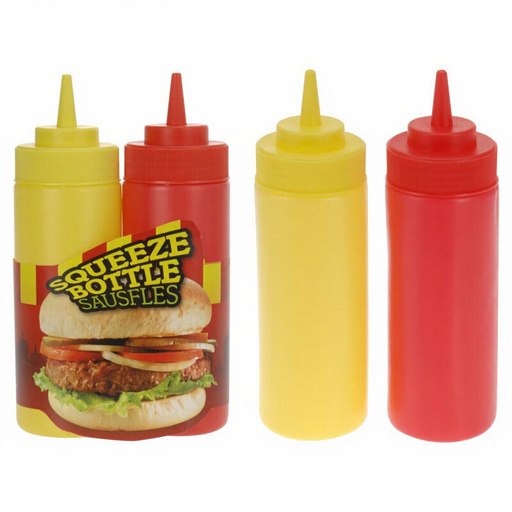
Why this product suits this profile: Two 400 ml bottles provide a manageable solution for ketchup, mustard, oil, vinegar or dressings at home.
According to the product description, the wide opening makes refilling and cleaning easier; the screw cap can provide additional security during transport.
Two bottles, flexible material, special spout and a capacity of 400 ml per bottle.
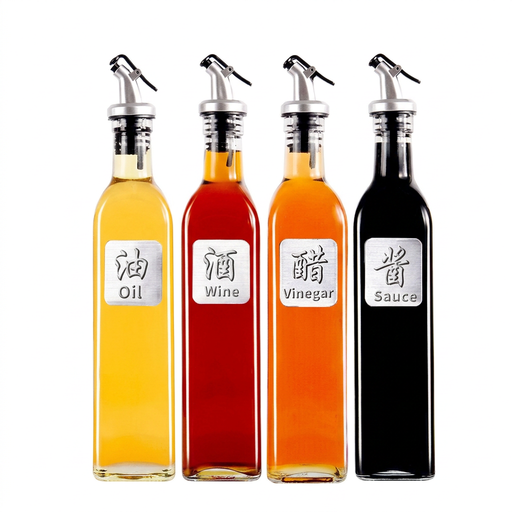
Why this product suits this profile: Four transparent glass bottles, each holding 500 ml, are ideal for households that want to store several liquid condiments separately and keep them clearly visible.
The product description states that the closure helps prevent leaks and drips, while integrated measurement markings support controlled dispensing.
Glass construction, four matching bottles, a capacity of 500 ml and clear visibility of the contents.
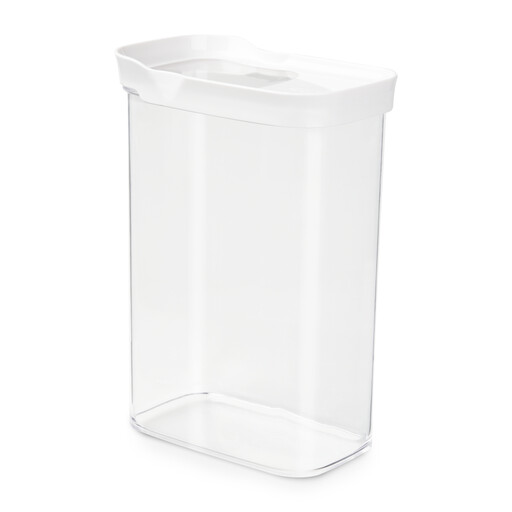
Why this product suits this profile: The large capacity and rectangular shape are ideal for frequent users, families and storing dry foods.
The sliding lid is designed for portioning; according to the product description, the closure is intended to protect against moisture and pests.
2.2-litre capacity, transparent design, stackable construction and, according to the product description, dishwasher-safe.
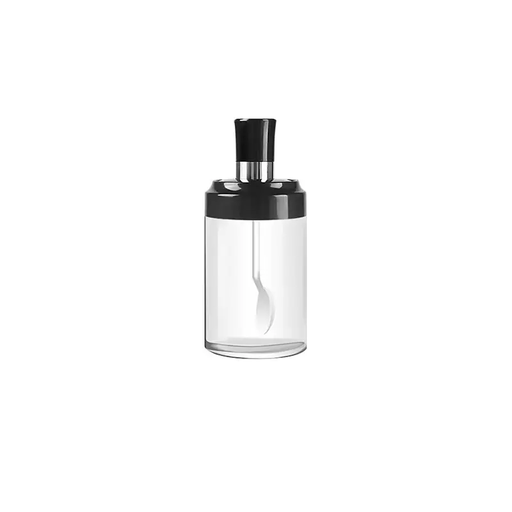
Why this product suits this profile: This set is designed for households that want to store salt, sugar, herbs or spice blends separately and dispense them with a spoon.
The spoons eliminate the need for an uncontrolled shaker opening, while the transparent glass makes it easier to monitor the fill level.
Four glass containers, 250 ml per container, transparent design and one spoon per jar.
We have put together a complete, regularly updated list of products that fully meet these strict selection criteria and the safety regulations applicable in the EU.
This depends on how much you use and the space available. 300 to 500 ml is generally easier to handle for everyday use. For larger households or frequently used ingredients, 620 ml or more may be suitable. Before buying, check that the bottle feels secure in your hand and fits beneath the kitchen cupboard.
Both materials can be used hygienically when they have a suitable design. Glass is transparent and typically does not absorb the colour of the contents, while plastic is lighter and may be more resistant to breakage in everyday use. More important than the material alone are an easily accessible opening, a lid that closes securely and the cleaning method specified by the manufacturer.
Spices should be stored in a dry place and not used directly over steaming pans. A spice container set with a spoon may be more practical for coarse or moisture-sensitive ingredients than a small shaker opening. It also helps to leave containers to dry completely after cleaning and to store only smaller quantities directly by the hob.