
Lieferung heute & morgen

Qualitätsgarantie

Willkommens-Angebote freischalten: KOSTENLOSE Lieferung | Bis zu 80 % RABATT | Kostenlose 30-Tage-JoyPlus-Testphase
App herunterladen
A good kitchen strainer is an indispensable tool in any kitchen. However, the selection can be overwhelming, and often, small, seemingly insignificant flaws lead to frustration. A handle that wobbles after a short time, rust spots after just a few washes, or a strainer that constantly tips over in the sink—these problems are avoidable. Instead of being swayed by marketing promises, it's smarter to focus on the key features that define a durable and practical product.
This guide will show you the three common pitfalls to avoid when buying a strainer and what core parameters truly matter to find the right model for your needs—whether it's a simple pasta strainer or a versatile kitchen strainer set.
To avoid a bad purchase, you should check three central aspects before making a decision. These determine the durability, functionality, and safety of your new kitchen helper.
The choice of material is fundamental. Each material has specific advantages and disadvantages that make it suitable for different purposes.
The type of perforation determines the strainer's versatility.
A good design makes daily use easier and safer.
Here are some product recommendations tailored to specific user profiles.
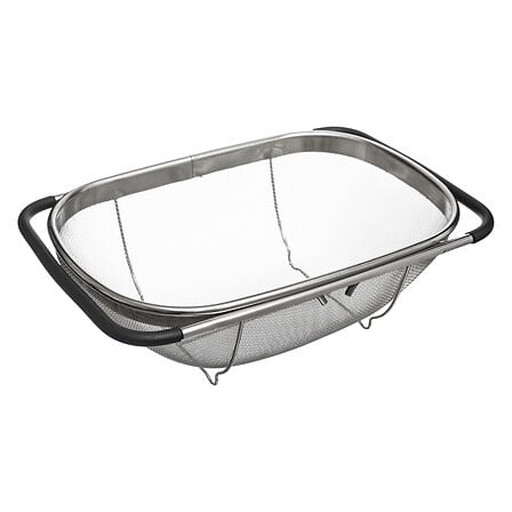
Why This Fits Their Persona: Ideal for families who regularly cook large batches of pasta or wash salad. The large volume and extendable handles make it extremely practical for use directly over the sink.
The stainless steel construction prevents rust. The extendable handles solve the problem of unstable strainers by resting securely on the sink's edge.
Large capacity (3.6 L) and flexible adjustment to fit different sink sizes.
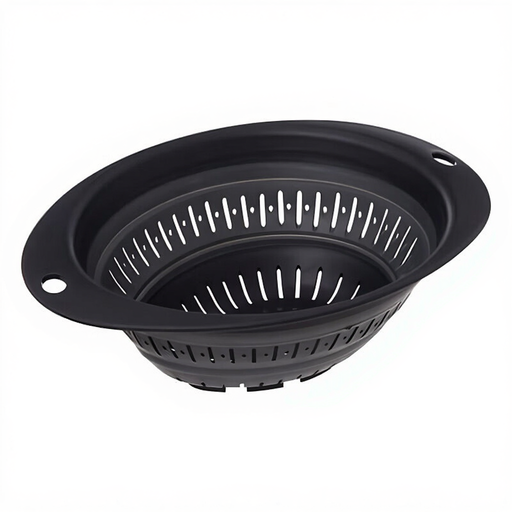
Why This Fits Their Persona: Perfect for kitchens with limited storage. This colander collapses flat and fits easily into a drawer, instead of taking up valuable cabinet space.
Solves the problem of bulky kitchen utensils. Instead of a rigid basket, this model offers a flexible yet sturdy design that disappears when not in use.
Collapsible design for minimal storage; stable base even when expanded.
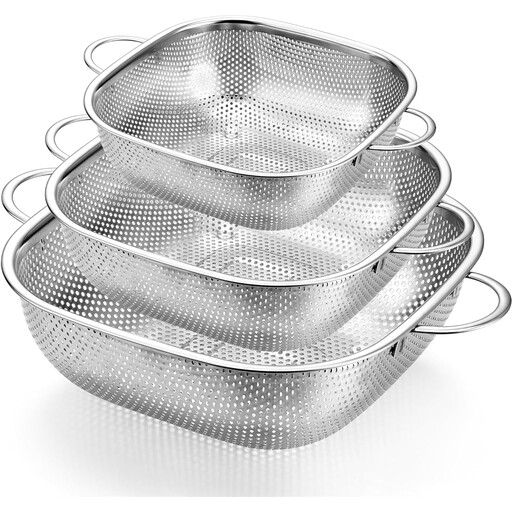
Why This Fits Their Persona: This set is a practical and economical solution for anyone setting up a new kitchen or looking to replace their old strainers. With three sizes, you're equipped for almost any task.
Prevents the need to buy a separate strainer for every task. The steel construction is durable, and the feet provide necessary stability.
Three versatile sizes in one package; sturdy construction with feet for safe handling.
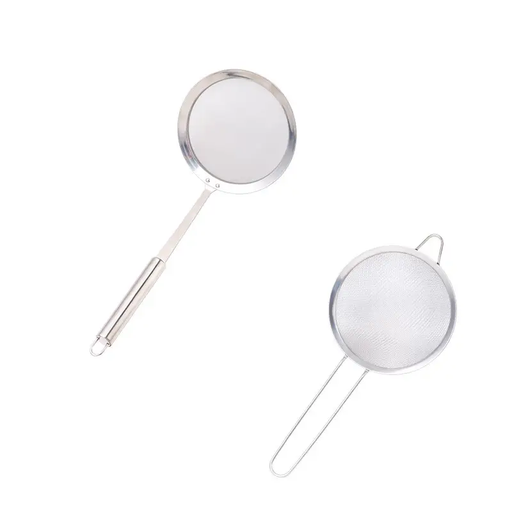
Why This Fits Their Persona: For home bakers and cooks who work with fine ingredients. This set is ideal for sifting flour, straining sauces, or filtering homemade plant-based milk.
Addresses the pitfall of the wrong mesh size. The fine 304 stainless steel mesh is specifically designed for fine particles where a normal pasta strainer would fail.
Very fine wire mesh for precise sifting; set also includes a skimmer spoon.
We have compiled a complete, up-to-date list of products that fully meet these strict selection criteria and safety standards.
A fine-mesh strainer is best cleaned immediately after use under a strong stream of running water. Turn the strainer upside down and rinse it from the outside (the convex side). This pushes particles out of the mesh instead of pressing them in. For stubborn residue, a soft brush can help.
Not necessarily. High-quality stainless steel strainers are usually dishwasher-safe. However, for plastic models or strainers with wooden handles, you should always check the manufacturer's instructions. High temperatures and aggressive detergents in the dishwasher can warp plastics or damage wood.
For maximum durability, hygiene, and heat resistance, a stainless steel kitchen strainer (18/8 or 18/10 grade) is an excellent choice. It is an investment that pays off over many years. Plastic is a lighter and often cheaper alternative that works well for cold applications like washing salad.