
Lieferung heute & morgen

Qualitätsgarantie

Willkommens-Angebote freischalten: KOSTENLOSE Lieferung | Bis zu 80 % RABATT | Kostenlose 30-Tage-JoyPlus-Testphase
App herunterladen
By Joybuy Product Recommendation Officer, July 28, 2026
A good kitchen strainer is an unsung hero, used daily for everything from draining pasta to washing fresh salad. But this simple tool is full of hidden pitfalls that can quickly lead to frustration. A supposed bargain turns into a rust trap after just a few weeks, the fine mesh becomes impossible to clean, or the handle snaps off with the first large batch of pasta.
Before you make a purchase, it helps to know the most common flaws that only become apparent after you buy. This will enable you to specifically choose a durable and functional product that reliably serves its purpose.
To avoid these problems, you should check three core parameters. These will help you objectively evaluate a model's quality and suitability.
The material is the most important factor for durability and hygiene.
The type of openings determines the intended use.
The construction affects handling and storage.
Here are some recommendations tailored to different needs and kitchens.
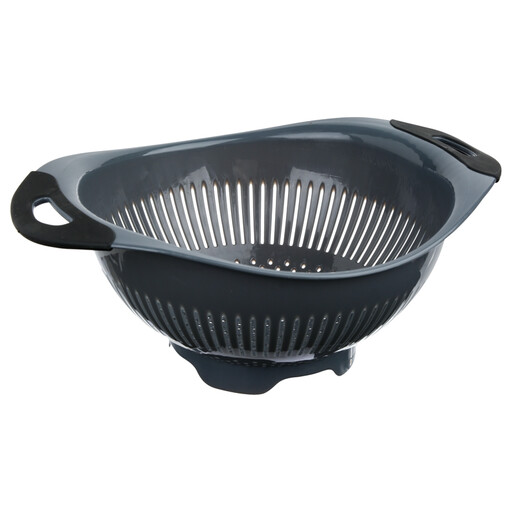
Why it's a good fit: A functional and straightforward solution for everyday tasks like washing salad or draining pasta. With a 2.5-litre capacity, it's large enough for family-sized portions without breaking the bank.
The PP plastic material is naturally rust-proof, avoiding the typical rust trap of cheap metal strainers. The smooth surface is also easy to clean.
Lightweight and low-maintenance. The ergonomic handle with a soft TPR coating ensures a secure grip, even when wet.
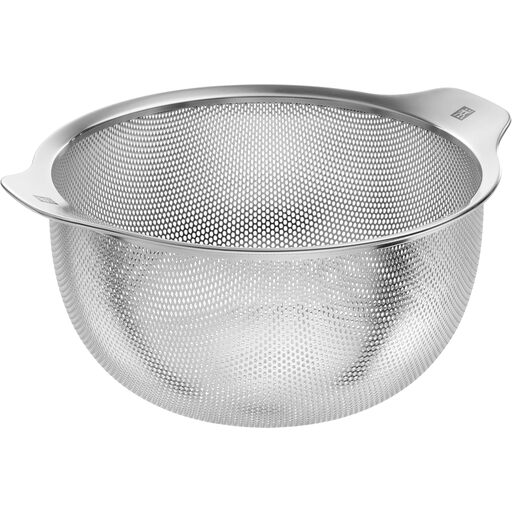
Why it's a good fit: For home cooks who value durability, hygiene, and an attractive design. This 18/10 stainless steel model is robust, versatile, and can even double as a serving bowl for fruit thanks to its elegant design.
Solves the problem of unstable construction. The wide, elevated base provides maximum stability in the sink, while the integrated handles ensure safe handling.
Made from high-quality 18/10 stainless steel, it is extremely corrosion-resistant and dishwasher-safe. The dense perforation ensures rapid draining.
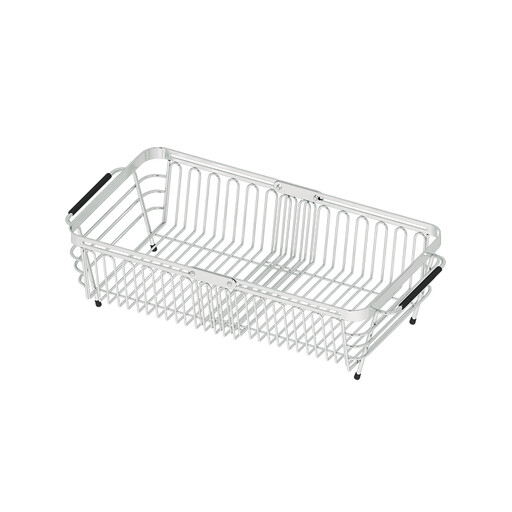
Why it's a good fit: The perfect solution for small kitchens or anyone who wants to keep their countertops clear. This strainer fits directly over the sink and doubles as a drying rack for dishes or for washing vegetables.
Solves the problem of bulky strainers that take up valuable storage space. The telescopic frame adjusts to fit different sink sizes and can be stored compactly when not in use.
Multifunctional and space-saving. The frame extends from 29 cm to 44 cm, and the fine mesh made of 304 stainless steel ensures efficient draining.
We have compiled a complete, up-to-date list of products that fully meet these strict selection criteria and safety regulations.
How do you properly clean a fine-mesh kitchen strainer? Rinse the strainer under running water immediately after use to prevent residue from drying. For stubborn dirt, a dish brush can help. Many stainless steel models are dishwasher-safe. Alternatively, you can soak the strainer in warm water with a bit of baking soda to loosen stuck-on particles.
Is a stainless steel kitchen strainer always dishwasher-safe? Most strainers made of high-quality stainless steel (e.g., 18/10 or 304) are suitable for the dishwasher. However, it is always wise to check the manufacturer's care instructions. Models with wooden handles or certain plastic parts should generally be washed by hand to protect the materials.
What's the difference between a colander and a strainer? Although the terms are often used interchangeably, there is a functional difference. A colander typically has larger, punched holes and is used for quickly draining large quantities of food like pasta or potatoes. A strainer (or sieve) has a fine wire mesh and is used for filtering smaller particles, such as when straining sauces or sifting flour.