
Lieferung heute & morgen

Qualitätsgarantie

Willkommens-Angebote freischalten: KOSTENLOSE Lieferung | Bis zu 80 % RABATT | Kostenlose 30-Tage-JoyPlus-Testphase
App herunterladen
If you want to buy kitchen and tableware online, you’ll find a wide choice of crockery, serving solutions, insulated food containers and speciality foods. Product images can look informative, but details such as materials, capacity, care instructions and allergen information are what really matter. Unclear product details can lead to the wrong purchase, particularly when it comes to serving dishes and food.
Descriptions such as ‘calorie-free seasoning sauce’ don’t always apply to the finished product. For example, Songxianxian Matsutake Cold-Used Sauce is described as using a sugar-free or reduced-calorie sweetening formula. However, its nutritional information lists 41 kcal per 100 ml. If you’re carefully planning your diet, always check the table on the product page or packaging.
Irregular shapes, reactive glazes and decorative finishes can look stylish. Before buying, though, check whether the plate is dishwasher- and microwave-safe, whether it can be stacked and what uses are not recommended. Some ceramic plates, for example, must not be used on a hob, in an oven or over an open flame.
A 1,5 l insulated food container is suitable for several portions, but it is heavier and larger than a compact lunch box. And ‘leakproof’ doesn’t mean you can carry it in any position. Follow the manufacturer’s instructions, such as ‘do not turn upside down or tilt’.
Ceramic, porcelain and stoneware are common materials for crockery. What matters is a suitable glaze, an intact surface and clear care instructions. Bamboo serving boards are generally best washed by hand, while the accompanying bowls may be dishwasher-safe.
For disposable plates, check the material as well as the size. Sugarcane fibre, also known as bagasse, is often used for compostable or biodegradable options. However, how you dispose of them depends on local guidance and the information on the packaging.
A salad plate measuring around 18.5 cm is suitable for salads, desserts and smaller dishes. Plates with a raised rim are useful for serving pasta, sauces and other dishes with more liquid. An oblong plate, on the other hand, can be used for sushi or as a platter for starters.
When choosing a starter or tapas set, check how many bowls are included and whether a board comes with it. Dip bowls around 8 to 12 cm in diameter are handy for sauces, olives, nuts and small snacks.
The Maxcook insulated food container has a capacity of 1,5 l, a wide opening and vacuum insulation. According to the product information, it can keep hot or cold food at temperature for around 4 to 6 hours. Results depend on factors including the starting temperature, how full the container is and the surrounding conditions. Preheating or pre-chilling it can help maintain the temperature.
Storage conditions are particularly important for food. Once opened, the Matsutake sauce should be refrigerated and used promptly. Dreistern cucumber aspic should be served chilled and contains pork and celery, with possible traces of mustard and milk. Check allergens and the best-before date before buying.
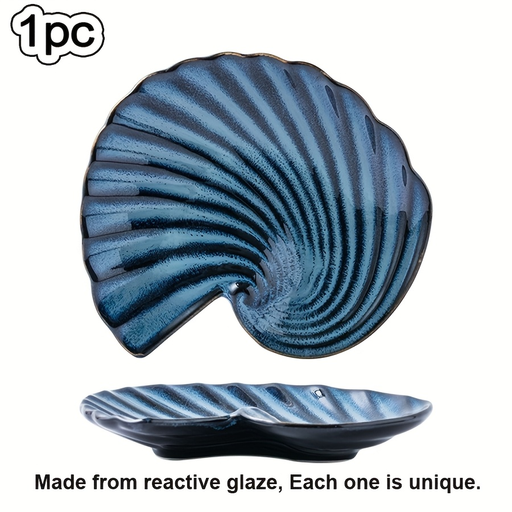
Why this product suits you: This single plate is ideal if you’re looking for a decorative piece for serving salad, sushi or starters, without committing to a large set straight away.
The product details specify the material and shape, as well as whether it is dishwasher- and microwave-safe. They also clearly advise against using it on a hob, in an oven or over an open flame.
Ceramic with a reactive glaze, a creative shell shape, and suitable for salads, pasta, sushi and small starters.
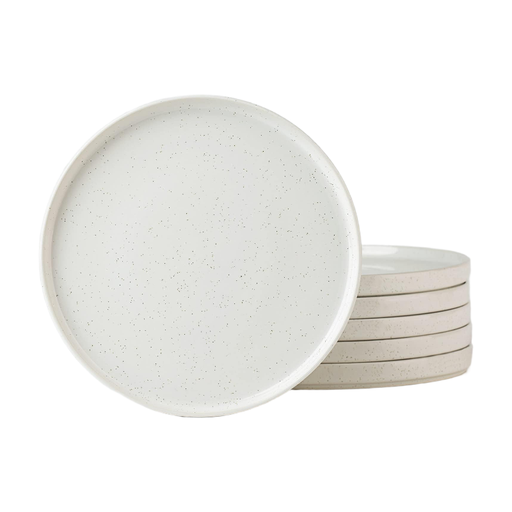
Why this product suits you: This six-piece set is for anyone who prefers coordinated crockery for serving different dishes to several people.
The raised rims help prevent sauces from spilling over the edge. The dimensions and piece count are clearly specified, along with whether the plates are dishwasher- and microwave-safe.
Six 20 cm stoneware plates with raised rims, a stackable design and a speckled glaze.
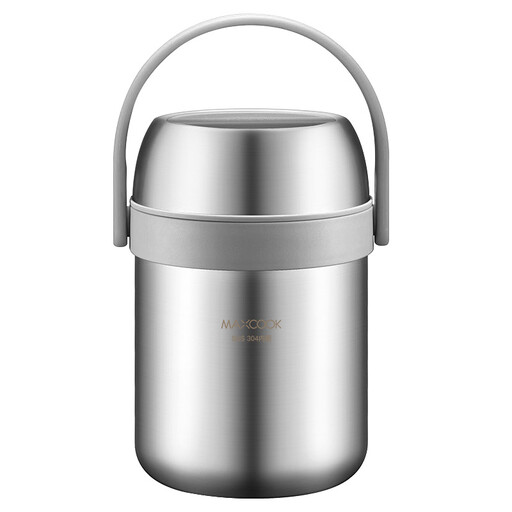
Why this product suits you: This large insulated food container is designed for commuters, families, picnics and short trips when you need to take hot food or soup with you.
The product details specify a 1,5 l capacity, wide opening, vacuum insulation and a tight-fitting lid. The container should be washed by hand, and the seal should not be left soaking for long periods.
304 stainless steel, a wide opening and a stated temperature-retention time of around 4 to 6 hours for hot or cold food.
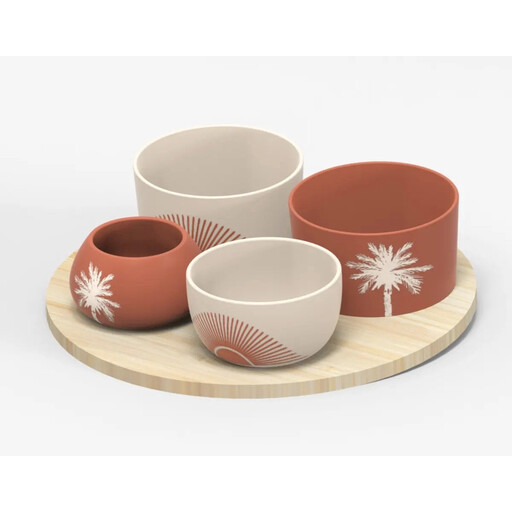
Why this product suits you: This set combines a 26 cm serving board with four bowls, making it ideal for dips, tapas, nuts and small starters at family gatherings or barbecues.
The product description lists what’s included, the dimensions and the combination of acacia wood and stoneware. This makes it easier to judge exactly what you’re getting before you buy.
A five-piece set with four bowls and a round board. The bowls have different diameters, ranging from around 8 to 12 cm.
We’ve put together a complete, regularly updated list of products that meet these strict selection criteria and fully comply with the safety regulations in force in the EU.
A ready-to-use Matsutake sauce can be a handy accompaniment to cold dishes. According to the product information, it’s suitable for salads, dumplings and seafood. The sauce contains soya and wheat, and should be stored at 0 to 4 °C once opened.
If you prefer traditional German specialities, serve Dreistern cucumber aspic 400 g chilled, for example with fried potatoes and remoulade. The product contains pork and celery. If you’re serving guests with allergies or specific dietary requirements, check the ingredients and product information beforehand.
For parties, biodegradable disposable plates made from sugarcane fibre can help cut down on washing up. For regular use, stackable stoneware or porcelain plate sets are usually a better choice. So, your decision should depend not only on design, but also on the occasion, number of guests, storage space and washing-up involved.
Around 18 to 20 cm is often enough for salads, desserts and smaller starters. For main courses or dishes with sauce, a larger plate with a raised rim may be more practical. For sushi or antipasti, the shape is often more important than the diameter.
Its lifespan depends on the material, seal, cleaning and how often it’s used. A 304 stainless steel container can last for a long time with proper care. Check the seals regularly for cracks and look after them according to the manufacturer’s instructions.
As well as the purchase price, the main costs are water, washing-up liquid and, where relevant, energy. Disposable plates, on the other hand, require new materials every time they’re used. Reusable plates and bowls are often more practical for regular meals at home; for large events, disposable options can reduce the washing-up.