
Lieferung heute & morgen

Qualitätsgarantie

Willkommens-Angebote freischalten: KOSTENLOSE Lieferung | Bis zu 80 % RABATT | Kostenlose 30-Tage-JoyPlus-Testphase
App herunterladen
The range of kitchen toys is vast, and deciding which product is right for a child can be challenging. Many parents and gift-givers are looking for toys that are not only entertaining but also safe, durable, and educational. This guide serves to orient you, presenting a selection of kitchen toys based on objective features like material, function, and design. Our goal is to provide you with an informed basis for your decision, helping you find the perfect role-play toy for the kitchen.
Before you make a decision, a few key criteria can help narrow down your options. The following points are based on common standards and practical considerations.
A child's safety is the highest priority. Look for the CE marking, which confirms that the product meets EU safety standards. Special caution is required for toys intended for children under three, as small parts can pose a choking hazard. Most manufacturers recommend creative toys for ages 3 and up, as children at this age typically have the necessary motor skills.
A wooden play kitchen is often a popular choice due to its stability and durability. Look for high-quality craftsmanship with rounded edges and non-toxic paints. FSC-certified wood indicates that it comes from sustainably managed forests. Plastic toys, on the other hand, are often lighter and easier to clean.
A play kitchen with accessories offers a wide range of play options right from the start. Pots, pans, cooking utensils, and play food are essential for bringing role-play to life. Detailed replicas of real kitchen appliances are particularly appealing to children. Products like a Miele play kitchen or Bosch kitchen appliances for kids allow little ones to realistically imitate adult activities. A toy hand mixer with rotating (but child-safe) whisks can significantly enhance the fun.
Good role-play toys for the kitchen do more than just encourage imitation. They stimulate the imagination, train fine motor skills through gripping and handling, and support the development of social skills in cooperative play. A mini food craft set, where children create their own miniature dishes, can also boost concentration and logical thinking as they follow a "recipe card."
Here is a selection of products that cater to different play interests and requirements. The descriptions are based on manufacturer specifications and highlight the objective features of each product.
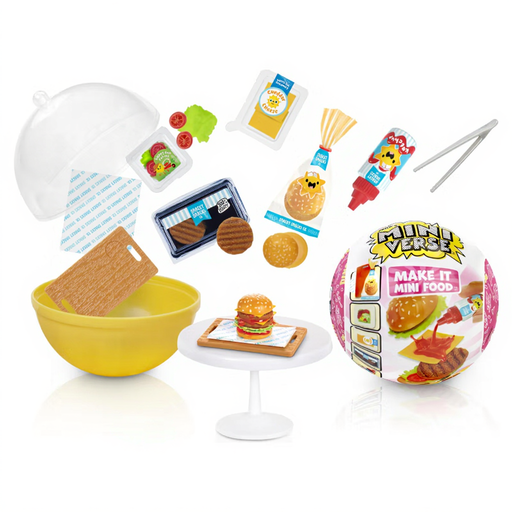
Why It Stands Out This product combines the surprise element of a collectible toy with a creative crafting experience. Instead of receiving pre-made play food, children create their own miniature diner dishes. Each ball contains the ingredients and accessories to craft a realistic mini-meal, which then hardens under UV light to become a permanent collectible.
Pros
Who It's For This set is ideal for children aged 3 and up who enjoy crafting, collecting, and detailed miniatures. It offers an alternative to classic cooking role-play, focusing instead on creation and presentation. Note: The ingredients are not edible.
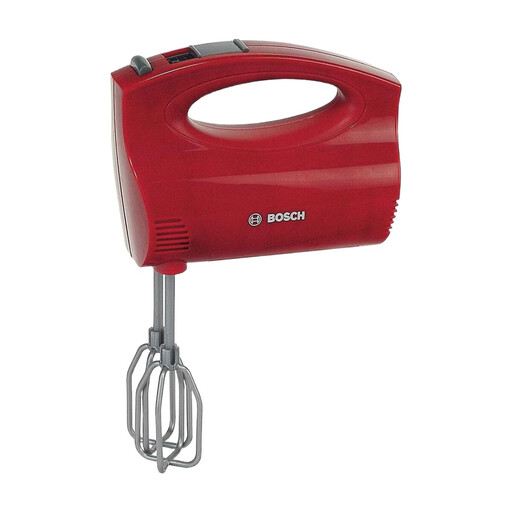
Why It Stands Out As a true-to-life replica of a Bosch hand mixer, this toy has high recognition value. The battery-powered function with rotating whisks makes the play experience especially realistic and interactive. The design is consistently focused on child safety.
Pros
Who It's For This toy hand mixer is a perfect addition to any play kitchen. It's suitable for children aged 3 and up who love to imitate their parents' activities and appreciate functional toys. Requires 1x C battery (not included).

Why It Stands Out This Miele play kitchen by Theo Klein stands out for its high-quality construction from FSC-certified wood and its thoughtful features. A special highlight is its height-adjustable design, allowing the kitchen to grow with your child. The hob with light and sound effects provides an authentic play experience.
Pros
Who It's For This wooden play kitchen is an excellent choice for families looking for a durable, stable, and fully equipped piece of play furniture. It is suitable for children aged 3 and up and serves as a centrepiece for creative role-play. The electronic functions require 2x AA batteries (not included).
The world of kitchen toys is diverse, ranging from individual appliances to complete sets with play food. If you're looking for more options or specific accessories, you'll find a wider selection in our category.
Discover More Play Food and Kitchen Accessories Here
1. From what age are kitchen toys beneficial? Most manufacturers recommend kitchen toys for children aged 3 and up. At this age, their fine motor skills are generally developed enough to handle accessories safely. Additionally, the risk of swallowing small parts is lower.
2. What skills does a play kitchen help develop in children? A play kitchen promotes various areas of development. These include social skills (through cooperative play), creativity (when inventing dishes), fine motor skills (when handling accessories), and an understanding of daily routines and healthy eating.
3. What should you look for in a wooden play kitchen? With a wooden play kitchen, stable construction and safe craftsmanship are crucial. Look for rounded edges to prevent injuries. The paints and varnishes used should be water-based and non-toxic. An FSC seal also provides information about the sustainable origin of the wood.