
Lieferung heute & morgen

Qualitätsgarantie

Willkommens-Angebote freischalten: KOSTENLOSE Lieferung | Bis zu 80 % RABATT | Kostenlose 30-Tage-JoyPlus-Testphase
App herunterladen
A kitchen waste separation system should keep rubbish neatly sorted, contain odours wherever possible and allow hands-free operation. In practice, however, poor purchases are often caused not by capacity, but by unsuitable dimensions, difficult-to-clean interiors or impractical lid mechanisms.
Our selection is aimed at households, families and shoppers looking for a bin for the bathroom, office or utility room. Clear product specifications matter more than attention-grabbing marketing claims.
With a waste separation system measuring 2 x 30 litres, a total capacity of 60 litres initially sounds generous. In reality, this means two separate inner bins, each holding 30 litres. That is practical for general waste and recycling, but it is not automatically suitable for three types of waste.
A 60-litre recycling bin also requires sufficient floor space. Before buying, compare the width, depth and height with the intended space beneath the worktop or beside the base unit.
A stainless steel bin with a soft-close lid closes gently, reducing noise. However, the feature is only practical if the lid can move freely and the bin is standing level. A misaligned or overfilled bin can put strain on the mechanism.
A 90-degree stay-open function is useful when cooking, as the lid will not close again while you are preparing food. This feature should be explicitly stated in the product details.
A kitchen bin with an inner bucket makes emptying and cleaning easier. It is important to check whether the inner bucket can actually be removed completely, whether it has carry handles and whether the bin bag can be secured. Without a retaining ring, the bag may slip into the bin or remain visible around the rim.
Household size and how often you empty the bins are key factors when choosing:
A 2-compartment kitchen bin is particularly suitable for two waste streams. If you also collect food waste separately, you can add a dedicated compost bin.
A kitchen bin with a pedal allows you to dispose of waste using your foot. This is practical when cooking, especially when both hands are occupied. Look for:
For smaller models, a pedal is not essential, but it can make hygienic use in the bathroom or office easier.
Stainless steel can be cleaned with a soft, damp cloth. Coated surfaces can help reduce fingerprints and visible marks; nevertheless, harsh abrasive cleaners and wire wool should be avoided. Plastic inner buckets are practical if they can be removed completely for rinsing.
For regular cleaning, we recommend:
The following models differ in capacity, compartment layout and intended use. The information is based on the respective product descriptions.
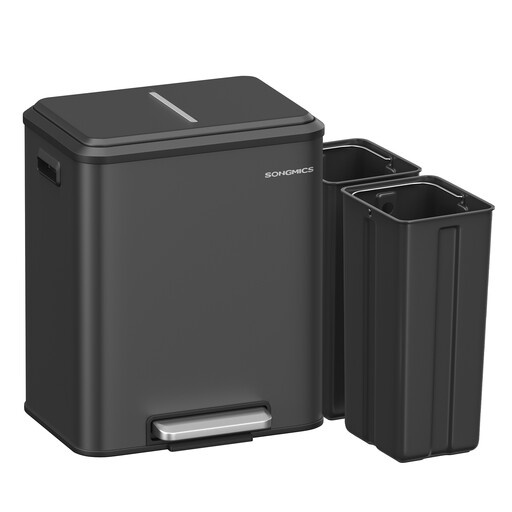
Why this product suits this profile: Two removable 15-litre inner buckets offer a straightforward introduction to waste separation and take up less space than larger systems.
The separate, removable compartments make the capacity clear and simplify cleaning.
2 x 15 litres, steel housing, wide pedal and soft-close lid.
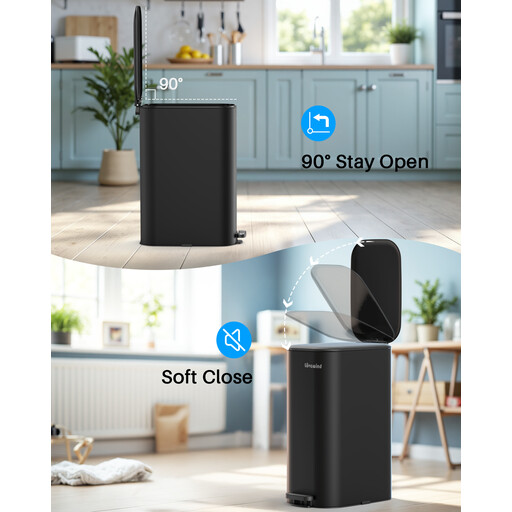
Why this product suits this profile: The single 30-litre bin is suitable for households looking for a compact waste bin with a clear interior layout and smooth lid movement.
The removable inner bucket with bag-retaining feature prevents the bin bag from slipping when the bin is emptied.
30 litres, stainless steel housing, pedal operation, soft-close function and 90-degree stay-open feature.
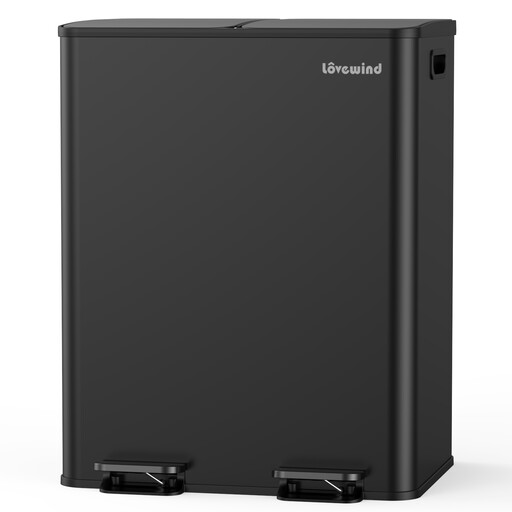
Why this product suits this profile: Two separate 30-litre compartments are designed for families or busy kitchens where general waste and recycling are collected separately.
The two compartments and bin-bag retaining rings make waste separation and bag replacement clear and straightforward.
Total capacity of 60 litres, two pedals, removable inner buckets, soft-close function and stainless steel finish.
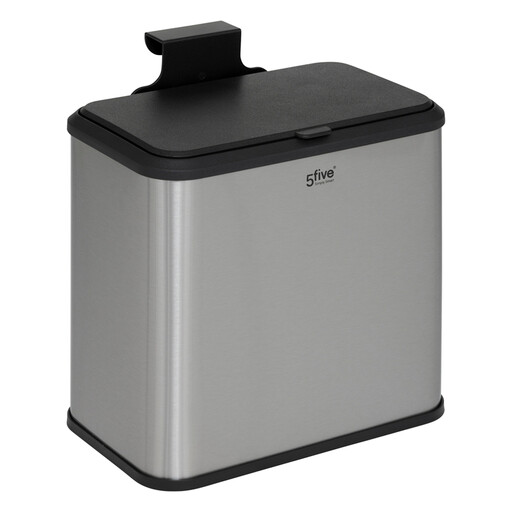
Why this product suits this profile: The 5-litre compost bin is suitable as an addition to a waste separation bin and can stand on the worktop or beneath the sink.
The separate capacity prevents food waste from ending up in the main bin with general waste or recyclable materials.
5-litre capacity, stainless steel and plastic construction, plus compact dimensions of 25,5 x 15,5 x 37,8 cm.
We have put together a complete, regularly updated list of products that fully meet these strict selection criteria and the safety regulations applicable in the EU.
The ongoing costs of a waste separation system are mainly determined by bin bags, cleaning products and how often the bins are emptied. Two-compartment models may require different bag sizes. Therefore, check whether standard bin bags fit the internal dimensions and are held securely by a retaining ring.
A pedal bin should not be used as a seat or storage surface. Overfilling can put strain on the lid, hinges and soft-close damping mechanism. To maximise its service life, do not allow liquids to enter the bin loose, and keep the mechanism free from packaging residue.
For smaller households, two compartments of 15 litres each may be sufficient. Families often choose a system with 2 x 30 litres when they want to collect general waste and recycling together, but separately. The right size also depends on how often the bin is emptied, the available floor space and local waste disposal habits.
Pedal operation allows you to open the lid without touching it by hand. This can make everyday use while cooking easier. However, it does not replace regular cleaning. Removable inner buckets, tightly fitted bin bags and a clean pedal area are particularly important.
It is not possible to give a general lifespan. This depends on the material, level of use, cleaning method and how the lid mechanism is operated. Look for a sturdy housing, a level base, freely moving hinges and clear information about the construction. Abrasive cleaners and forcing the lid shut can damage the surfaces and mechanism.