
Lieferung heute & morgen

Qualitätsgarantie

Willkommens-Angebote freischalten: KOSTENLOSE Lieferung | Bis zu 80 % RABATT | Kostenlose 30-Tage-JoyPlus-Testphase
App herunterladen
Whether you are baking, blending, chopping or making coffee, kitchen appliances should save time in everyday life and reliably meet your needs. The selection ranges from food processors and countertop blenders to hand mixers, milk frothers, choppers and electric spice mills. However, the sheer variety of functions can make comparisons difficult.
As a Joybuy Product Recommendation Officer, I filter product information according to clear, transparent criteria. What matters is not the longest list of functions, but the combination of intended use, capacity, ease of use, cleaning and safety features.
An appliance with numerous programmes may seem appealing. However, if you regularly use only two or three functions, its size, cleaning effort and purchase cost may increase unnecessarily. Before buying, check:
A higher wattage rating alone does not determine how suitable an appliance really is. In practice, the gearing, blades or mixing mechanism, operating time, overheating protection and type of ingredients also matter. A hand mixer with 300 or 350 watts may be sufficient for dough, cream and egg whites, while a food processor with a larger bowl offers more working capacity for frequent bread baking.
An appliance that has to be taken apart and cleaned thoroughly after every use will often be used less frequently. Check whether removable parts are dishwasher-safe and whether the appliance can remain permanently on the worktop. Information such as dimensions, weight, bowl capacity and cable length is particularly relevant for small German kitchens.
Compare motor power only within the same appliance category. A countertop blender with 600 watts is designed for smoothies, juices and certain chopping tasks. A food processor with 400 to 450 watts and several speed settings is more suitable for mixing and kneading.
Also look out for:
The instruction manual remains the definitive source for maximum quantities and operating times.
A bowl with a capacity of 5 or 6 litres provides more room for larger quantities of dough, but also requires more storage space. For individual portions or occasional baking, a hand mixer may take up less room. With countertop blenders, it is important to consider not only the stated capacity, but also how much content may actually be processed. The maximum fill line should never be exceeded.
Stainless steel is easy to identify in product descriptions when it comes to bowls, beaters and housing components. For electric spice mills, ceramic grinders and adjustable grind settings can be useful criteria. Not all mills are suitable for moist ingredients.
With blenders, choppers and cheese graters, pay particular attention to the secure fit of the lid and attachments. Sharp blades and grating surfaces should only be touched or cleaned once the appliance has come to a complete stop. Motor units, plugs and cables must not be submerged in water.
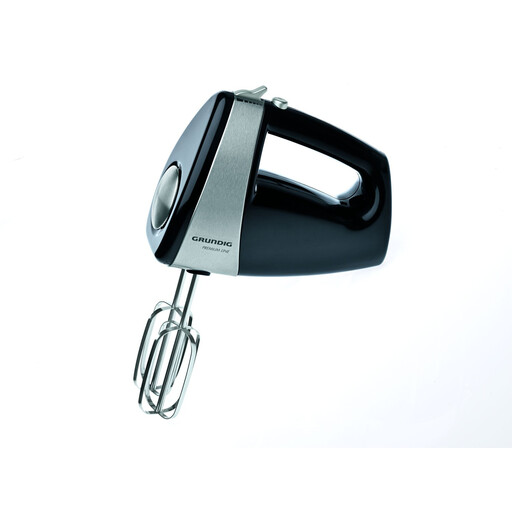
Why this product suits this profile: The hand mixer takes up comparatively little worktop space and handles typical baking tasks.
The five speed settings and turbo mode keep the choice straightforward without requiring an extensive collection of accessories.
300 watts, five settings plus turbo, as well as dishwasher-safe stainless-steel beaters and dough hooks.
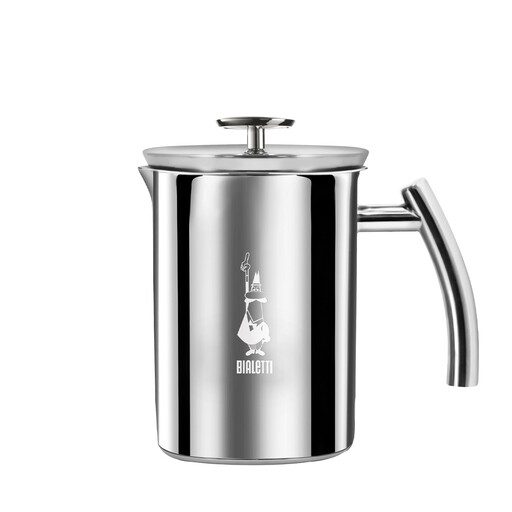
Why this product suits this profile: Coffee lovers get a manual milk frother with a stainless-steel construction that is compatible with induction hobs.
Manual operation makes the way it works easy to understand, while compatibility with induction and other hob types is clearly stated.
330 millilitres capacity, stainless-steel construction and a dishwasher-safe design.

Why this product suits this profile: Hobby bakers who regularly mix and knead can benefit from the bowl, dough hook, whisk and beater.
The 5-litre bowl, splash guard and four suction feet address common issues such as limited working capacity and slipping.
400-watt motor, ten speed settings plus pulse function and overheating protection.
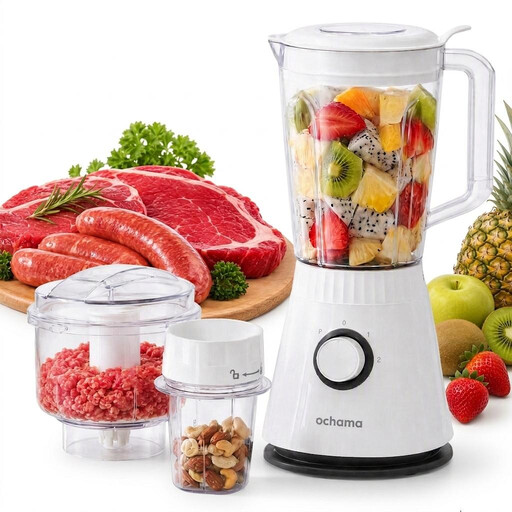
Why this product suits this profile: This appliance combines blending with processing ingredients for juices, baby food, spices and other kitchen tasks.
The 1.5-litre capacity and three speed settings define its intended uses more clearly than a simple collection of vague additional functions.
600 watts of power, a 1.5-litre container and removable components for easier cleaning.
We have put together a complete, regularly updated list of products that fully meet these strict selection criteria and the safety regulations applicable in the EU.
For specific tasks, a milk frother, electric spice mill, cheese grater or baking accessories may also be more suitable than a multifunctional appliance. The key question is whether the function is needed regularly and whether cleaning and storage fit easily into your everyday routine.
For small kitchens, compact appliances with one clear main function are often the most practical choice. A hand mixer is suitable for cake batter and cream, a small countertop blender for drinks, and a chopper for herbs, nuts or smaller quantities of ingredients. Check the dimensions and available storage space before buying.
Service life depends on how often the appliance is used, the ingredients processed, cleaning and compliance with operating limits. Overloading, moisture reaching the motor unit and continuous operation without cooling breaks can increase strain. Use each appliance in accordance with the instruction manual and regularly check the cable, plug and attachments.
Energy consumption depends on power and operating time. An appliance with a higher wattage uses more energy over the same operating period, but it may not need to run for as long. To calculate running costs, convert the wattage into kilowatts and multiply it by the usage time and electricity price. Shorter operating times, suitable quantities and regular cleaning can help make use more efficient.