
Lieferung heute & morgen

Qualitätsgarantie

Willkommens-Angebote freischalten: KOSTENLOSE Lieferung | Bis zu 80 % RABATT | Kostenlose 30-Tage-JoyPlus-Testphase
App herunterladen
LEGO building sets vary considerably in their recommended age, number of pieces, theme and how they’re used once built. A colourful box with lots of pieces isn’t automatically the right choice: a technically challenging model can frustrate a four-year-old, while experienced builders may quickly find a small box limiting.
This guide helps parents, grandparents and LEGO fans avoid common buying mistakes and choose the right LEGO construction toy using objective criteria.
A set with lots of pieces may sound appealing at first. What matters, though, is which pieces are included and how they can be used. A box of standard bricks is ideal for free building, while a themed model is more focused on creating a particular finished design.
For example, LEGO Classic 10698 contains 790 pieces, including windows, doors, wheels and baseplates. This selection encourages free building ideas. A model with a similar number of pieces, on the other hand, may be designed mainly to build a single vehicle or figure.
The recommended age range isn’t just a marketing detail. It takes into account factors such as the size and number of pieces, the complexity of the instructions and the concentration required. Sets with small pieces are not suitable for children under 3 years old. Supervision may also be helpful with older children if there are lots of small pieces in the play area.
A LEGO Star Wars R2-D2, an Architecture model or a LEGO Ideas set may be intended mainly as a display piece once built. LEGO City, LEGO Jurassic World and LEGO Ninjago sets, on the other hand, are generally better suited to role play and recreating action scenes. Before you buy, consider whether the set will be regularly rebuilt and played with, or mainly displayed.
First, check the official age recommendation. For children aged 4 and over, simple LEGO Classic boxes or smaller themed models are good options. From around 7 to 9 years old, more detailed vehicles, city scenes and technical features may be suitable. Adults and older teenagers are often interested in LEGO sets for adults, Architecture, Ideas or detailed collector’s models.
The number of pieces is a useful point of comparison, but it should be considered alongside the type of model:
With particularly large sets, you should also think about the space needed to build and store them. A practical storage box can make all the difference in a child’s bedroom.
According to the product information, the products listed are made from ABS plastic. When buying, look for clear manufacturer information, an easy-to-understand age label and the CE marking and safety information, where applicable to the toy. Don’t overlook warnings about small parts.
The size of the finished model matters too. According to the product description, the LEGO Technic NASA Artemis rocket is about 70 cm tall. It will take up considerably more space on a shelf or desk than a small racing car. So measure the space where you plan to put it before buying.
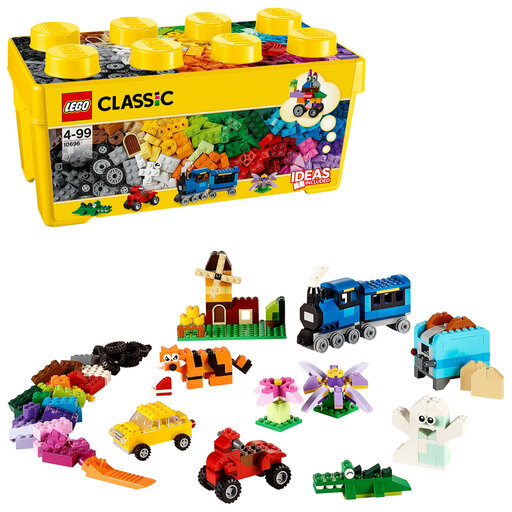
Why it suits this buyer: The box contains 484 pieces in 35 colours, as well as windows, eyes, wheels and green baseplates. It’s ideal for first free-building projects from age 4 and can be combined with other LEGO bricks.
The pieces aren’t limited to building a single model. The storage box also helps keep loose bricks under control in a child’s bedroom.
484 pieces, 35 colours, wheels and baseplates; suitable from age 4.
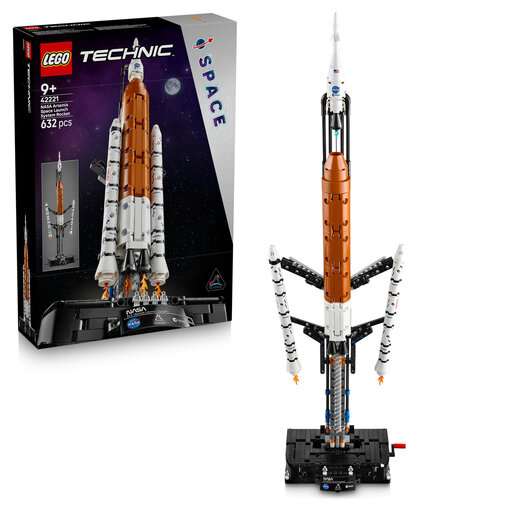
Why it suits this buyer: This model is designed for space and technology enthusiasts aged 9 and over. It contains 632 bricks, four astronaut figures and a crank that demonstrates rocket stage separation.
The product details specify both the number of pieces and the finished height of about 70 cm. This makes it easier to plan realistically for the space you’ll need before buying.
632 bricks, a moving mechanism and digital 3D building instructions.
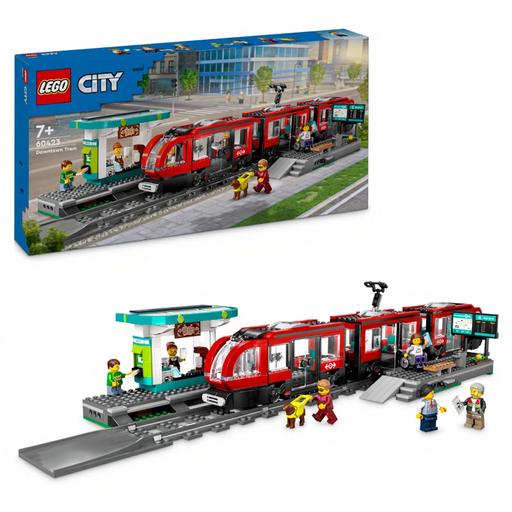
Why it suits this buyer: Children aged 7 and over can use the tram, stop, café and six minifigures to recreate everyday scenes. The model can be combined with other LEGO City sets.
The box contents include specific vehicles, figures and accessories. This makes the set’s play value clearer before you buy than it would be with a purely decorative model.
811 pieces, six minifigures, a tram with doors and a stop with a café.
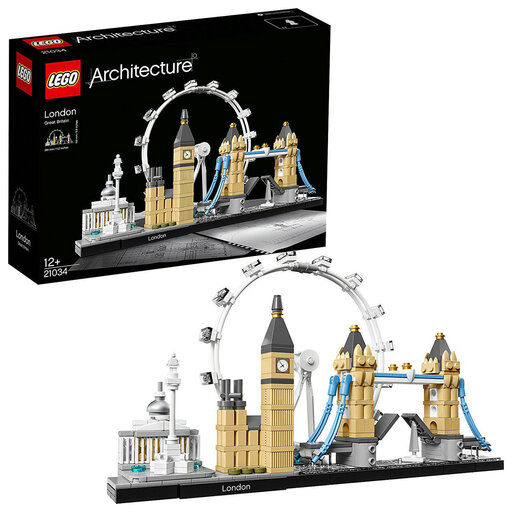
Why it suits this buyer: This set is designed for fans of architecture, travel and city models aged 12 and over. It contains 468 pieces and well-known London landmarks, making it ideal for display once built.
The product description clearly highlights its display purpose and dimensions of 15 × 28 × 8 cm. This makes it easy to judge how you’ll use it once it’s built.
468 pieces, several iconic landmarks and an information booklet.
We’ve put together a complete, regularly updated list of products that meet these strict selection criteria and fully comply with the safety regulations in force across the EU.
The right number depends more on the child’s age and what they want to build than on any set figure. For beginners aged 4 and over, a Classic box with a range of standard bricks may be a good choice. Older children and teenagers can also manage sets with several hundred pieces, as long as the instructions and theme suit their interests.
How long they last depends on storage, use and how moving or small pieces are handled. Keeping bricks dry, using storage boxes and building on a clean surface all help keep them in good condition. Before buying, check the availability of replacement parts, the manufacturer’s information and whether the set can be combined with LEGO bricks you already own.
A LEGO gift is especially suitable when you take the recipient’s age and interests, as well as the space available for building, into account. LEGO Classic sets are great for creative building, while LEGO Technic or Speed Champions are good choices for vehicle fans. If the model is mainly intended for display, consider Architecture, Ideas or selected Star Wars sets.