
Lieferung heute & morgen

Qualitätsgarantie

Willkommens-Angebote freischalten: KOSTENLOSE Lieferung | Bis zu 80 % RABATT | Kostenlose 30-Tage-JoyPlus-Testphase
App herunterladen
A good chef's knife is the most important tool in any kitchen. But the market is overwhelming: countless models, confusing technical terms, and aggressive marketing claims make the decision difficult. Those looking to buy a kitchen knife often face the question of which features truly matter and which are just empty advertising slogans.
This guide will help you avoid the typical pitfalls of knife shopping. We focus on the objective criteria that define a durable and functional chef's knife, so you can make an informed decision that fits your needs and your budget.
Before we dive into the important features, let's clear up the most common misconceptions that often lead to costly mistakes.
To find a good chef's knife that will bring you joy for years to come, you should focus on three core aspects.
The steel used is the primary factor determining sharpness, edge retention, and corrosion resistance. Most high-quality German knives, especially knives from Solingen, use proven stainless steel types like X50CrMoV15. This composition offers an excellent compromise:
A knife must fit well in your hand to allow for safe and fatigue-free work. Pay attention to the following points:
The two most common all-purpose knives are the classic chef's knife and the santoku knife.
Instead of making a one-size-fits-all recommendation, we have selected products that suit different needs and cooking habits.
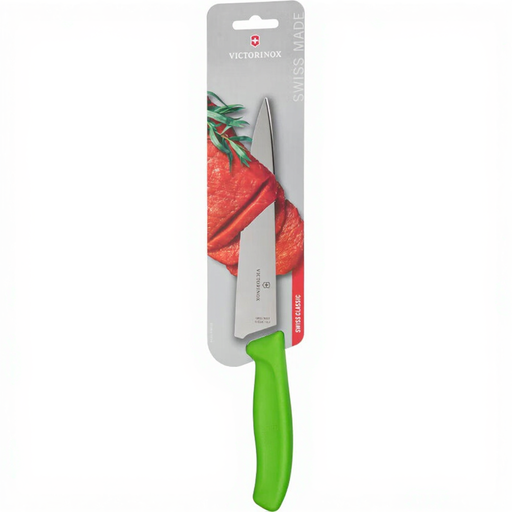
Why this knife is a great fit: Ideal for beginners or as a reliable everyday knife. It offers excellent out-of-the-box sharpness and functionality without unnecessary frills. Perfect for anyone looking for a tool, not a status symbol.
This Victorinox knife focuses on the essentials: a sharp blade made of proven stainless steel and a hygienic, ergonomic handle. It forgoes marketing gimmicks like a fake Damascus pattern.
Excellent value for money. The low-maintenance synthetic handle and dishwasher-safe blade make it extremely practical for everyday use.
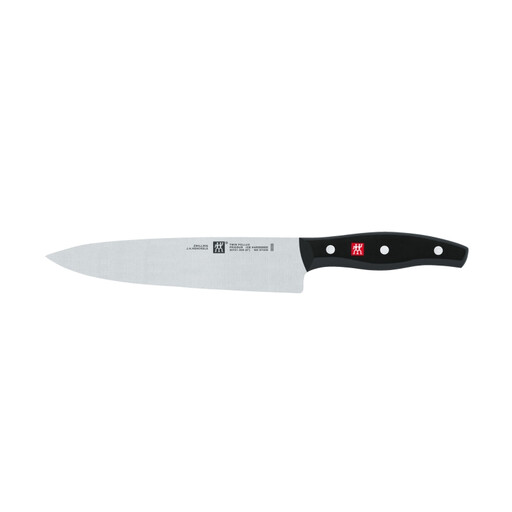
Why this knife is a great fit: For home cooks ready to take the next step and invest in a durable, well-balanced knife. A classic German chef's knife that is up to any task.
This Zwilling chef's knife relies on proven quality instead of empty promises. The ice-hardened FRIODUR blade offers objectively better edge retention and corrosion resistance than standard steel.
The FRIODUR blade made of special formula steel and the classic three-rivet design with a full tang ensure excellent balance and durability.
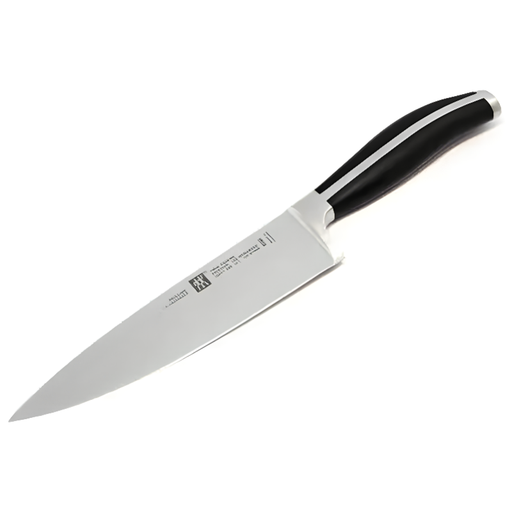
Why this knife is a great fit: For users who value innovative technology, perfect balance, and a modern, seamless design. This knife combines traditional forging artistry with futuristic ergonomics.
The value of this knife lies in its genuine technical innovation—the horizontal full tang—not in a superficial look. It is an example of functional design that noticeably improves handling.
The rivetless, horizontal steel core construction provides unique balance and a seamless, extremely hygienic surface. The SIGMAFORGE blade, forged from a single piece of steel, offers maximum stability.
Whether you're looking for a complete knife set, a special carving knife, or another model, we've curated a selection that meets our criteria for quality and functionality.
The choice depends on your preferred cutting technique. If you like to cut with a rocking motion (keeping the tip of the knife on the board), the classic chef's knife with its curved blade is the right choice. If you prefer chopping or straight, pulling cuts, you will appreciate the flatter blade of the santoku knife. For many home users, it's a matter of personal preference.
Proper care is crucial for long-lasting sharpness.
A genuine Damascus knife, where different layers of steel are hand-forged into a single blade, is a masterpiece of craftsmanship. It can offer exceptional sharpness and a unique look. For most home users, however, the functional advantage over a high-quality mono-steel knife (like those from Zwilling or WMF) is minimal, and the price difference is significant. If you appreciate the aesthetics and craftsmanship, it can be a worthwhile investment. However, be careful not to fall for a cheap, superficially patterned blade.