
Lieferung heute & morgen

Qualitätsgarantie

Willkommens-Angebote freischalten: KOSTENLOSE Lieferung | Bis zu 80 % RABATT | Kostenlose 30-Tage-JoyPlus-Testphase
App herunterladen
A good knife set is the foundation of any kitchen. But the market is overwhelming, filled with promises that often go unkept. Too often, home cooks and beginners invest in sets only to find the knives dull within months or the selection impractical for everyday tasks. This guide will help you identify the crucial features to make an informed choice.
As a Joybuy Product Recommendation Officer, I'll break down the facts for you and show you what truly matters when selecting a durable and functional kitchen knife set.
Before we dive into quality features, let's look at the three most common problems that lead to disappointment.
To avoid these pitfalls, you should check three technical aspects before buying. These are the primary determinants of the longevity and functionality of your future knife set.
The quality of the steel is the most critical factor for sharpness and durability. Pay attention to the exact steel designation, if provided by the manufacturer.
A functional chef's knife set doesn't need to be huge. For most kitchen tasks, three to four basic knives are sufficient:
A knife must fit well in your hand. The handle should be non-slip, even with wet hands. The balance between the blade and handle is crucial for fatigue-free work. A full tang, where the blade's steel extends through the entire handle, is a hallmark of high-quality models often labeled as a professional knife set. It provides superior stability and excellent weight distribution.
Here are some product recommendations tailored to different needs and budgets.
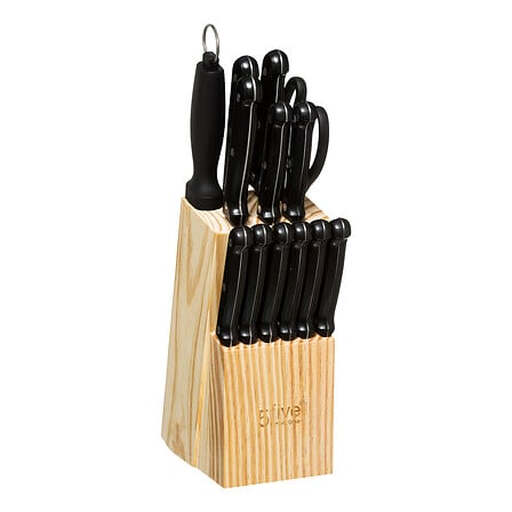
Why This Fits Their Persona: Ideal for a first household setup or for cooking beginners looking for a comprehensive solution. The set covers all basic cutting tasks and provides organized storage.
It sidesteps the "filler knife" trap by offering a genuinely useful selection (chef's, bread, carving, utility, and paring knives, plus steak knives). The "dullness" trap is proactively addressed with the included honing steel.
A complete solution including a knife block, shears, and a honing steel. It offers excellent value for a comprehensive starter kit.
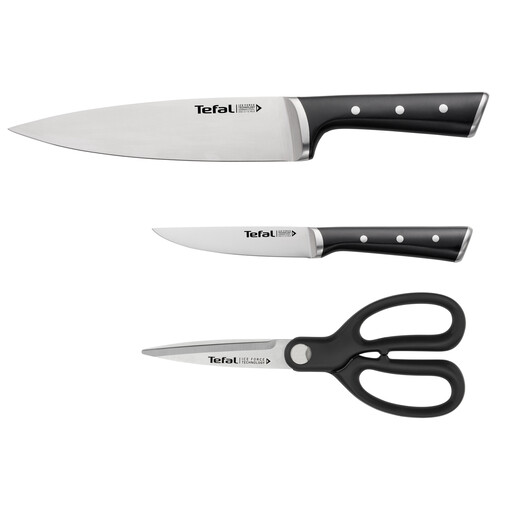
Why This Fits Their Persona: Perfect for those looking to upgrade their existing equipment or start with a few high-quality tools. The focus is on performance and longevity.
It directly addresses the "dullness" trap with its Ice Force technology, where the blade is cooled to -120°C (-184°F) for what Tefal claims is higher and longer-lasting sharpness. The set focuses on the three most essential tools, avoiding unnecessary filler.
Blades made of German stainless steel for high corrosion resistance. The special blade treatment promises up to 2x longer edge retention compared to other Tefal stainless steel series.
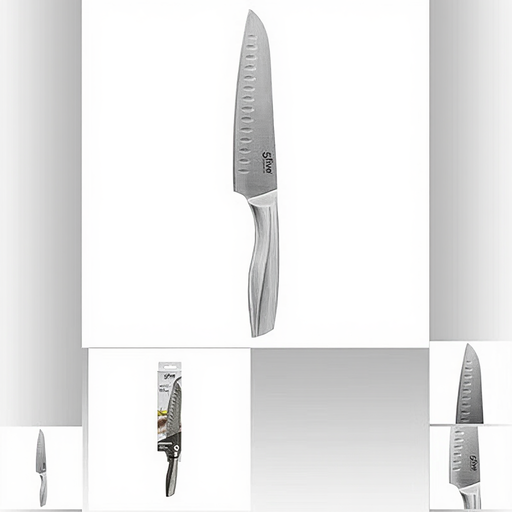
Why This Fits Their Persona: For cooks who already have a basic set and are looking for a specialized tool for fine cutting of vegetables, fruit, and boneless meat. The Santoku is the Japanese answer to the chef's knife.
This is a targeted individual purchase, completely avoiding the "filler knife" trap. The forged, full-tang construction from a single piece of steel indicates high stability and durability, countering the trap of low-quality materials.
Forged from a single piece of stainless steel for superior balance and control. The versatile Santoku blade shape is ideal for precise slicing, dicing, and mincing.
We have compiled a complete, up-to-date list of products that fully meet these strict selection criteria and safety standards.
1. How do you properly care for a stainless steel knife set? Even high-quality stainless steel benefits from proper care. Ideally, clean the knives by hand with warm water and a mild dish soap, and dry them immediately. Although many knives are labeled as dishwasher-safe, harsh detergents and high temperatures can damage the blade and handle over time. Store the knives in a knife block or on a magnetic strip to protect the blades.
2. Is a knife set with a block worth it? Yes, in most cases, a knife set with a block is a worthwhile investment. A block protects the sharp blades from damage that can occur when stored loosely in a drawer. It also keeps your kitchen organized and provides quick, safe access to the right knife.
3. What is the difference between a chef's knife and a Santoku knife? The classic European chef's knife has a curved blade, which is well-suited for the rocking chop technique (rocking the blade over the food). The Japanese Santoku knife has a straighter edge and a blunted tip. It is often slightly shorter and lighter, making it excellent for quick, precise up-and-down chopping and slicing motions. The choice depends on personal preference and cutting technique.