
Lieferung heute & morgen

Qualitätsgarantie

Willkommens-Angebote freischalten: KOSTENLOSE Lieferung | Bis zu 80 % RABATT | Kostenlose 30-Tage-JoyPlus-Testphase
App herunterladen
Preparing meat in your own kitchen can elevate a simple meal into a culinary experience—provided you have the right tools. However, the market for kitchen gadgets is overwhelming and full of promises. As your Joybuy Product Recommendation Officer, I'm here to help you separate the wheat from the chaff and make informed decisions, ensuring you invest in durable and functional meat accessories for your kitchen.
Before you spend your money, you should be aware of three common issues that often lead to disappointment:
Instead, focus on objective features that determine the quality and longevity of your kitchen accessories.
Hygiene is the cornerstone of meat preparation. Look for tools made from 304 stainless steel. This steel is known for its high corrosion resistance and food-grade safety, making it an excellent choice for a stainless steel meat tenderizer or the blades of a meat grinder. For a cutting board for meat, non-porous surfaces are crucial. Models that offer a stainless steel side for meat and a separate plastic side (e.g., from wheat straw PP) for vegetables are a thoughtful solution to prevent cross-contamination.
Performance must match the intended use. For an electric meat grinder, it's not just the motor's wattage that matters, but also the design of the grinding mechanism, which should ensure consistent results without overheating the meat. A food dehydrator for meat requires precise temperature control and even air circulation to dry meat safely and uniformly. Meanwhile, poultry shears need a sturdy joint construction and sharp, often micro-serrated blades to cut through bones cleanly.
A good tool should feel secure and comfortable in your hand. A Santoku knife should be well-balanced to allow for fatigue-free use. Handles should be made of non-slip material and shaped to provide a secure grip, even when applying force. Also, ensure that the devices are easy to disassemble and clean—removable, dishwasher-safe parts save time and ensure hygiene.
Here are some product recommendations tailored to the specific needs of home cooks.
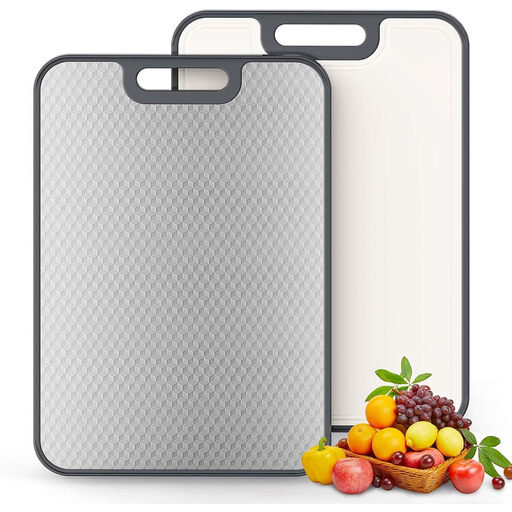
Why This Fits Their Persona: Ideal for cooks seeking a simple, hygienic, and durable solution for daily prep. It elegantly solves the classic problem of cross-contamination.
It bypasses the inferior materials trap by combining robust 304 stainless steel for meat with a resilient wheat straw PP material for vegetables.
Clear separation of work surfaces for enhanced hygiene; dishwasher-safe for easy cleaning.
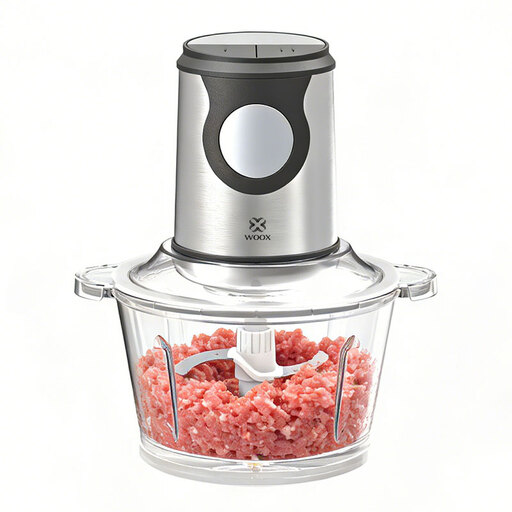
Why This Fits Their Persona: Perfect for those who want to control the quality of their ground meat and create their own sausage or burger blends.
This device avoids the impractical design trap. The glass bowl is more hygienic and scratch-resistant than plastic, and the components are designed for easy cleaning.
A compact yet powerful electric meat grinder for home use; versatile for meat, vegetables, and baby food.
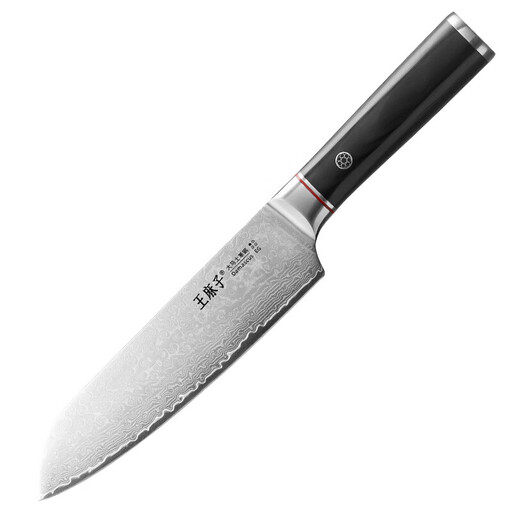
Why This Fits Their Persona: For cooks who value a sharp, versatile, and well-balanced knife that enables precise cuts for both meat and vegetables.
It avoids the trap of overpriced "pro" knives by offering solid performance and material quality without unnecessary marketing frills.
A versatile Santoku knife that serves as an all-purpose tool for many cutting tasks in the kitchen; its blade shape is well-suited for slicing, dicing, and mincing.
In addition to preparing fresh meat, ready-made meat specialities are also gaining popularity. Asian meat snacks, such as the savoury-sweet "Meat Floss Cakes," offer a unique taste experience. These small cakes consist of a fluffy pastry filled with dried, seasoned meat (meat floss or "Rousong"). Products like the Youchen Meat Floss Cake Original Flavour are an interesting option for anyone looking to explore new culinary horizons.
We've compiled a complete, up-to-date list of products that meet these strict selection criteria and applicable standards.
1. What is the best way to clean an electric meat grinder? For hygienic cleaning, you should disassemble the meat grinder immediately after use. All removable parts that came into contact with meat should be thoroughly cleaned in warm, soapy water. Be sure to dry all parts completely before reassembling the unit to prevent rust. Check the user manual to see which parts are dishwasher-safe.
2. Which cutting board is the most hygienic choice for raw meat? Non-porous materials are recommended for raw meat. Stainless steel is a very hygienic surface as it does not absorb liquids and is easy to disinfect. High-density plastics (HDPE/PP) are also a good choice. A double-sided cutting board, which provides one side for meat and another for vegetables, is a practical way to effectively prevent cross-contamination.
3. Do I really need a special dehydrator for meat? While an oven on a low setting can also be used to dry meat, a dedicated food dehydrator for meat offers significant advantages. It allows for precise and constant temperature control as well as active air circulation. This is crucial for making safe and evenly dried jerky, as it minimises the risk of bacterial growth.