
Lieferung heute & morgen

Qualitätsgarantie

Willkommens-Angebote freischalten: KOSTENLOSE Lieferung | Bis zu 80 % RABATT | Kostenlose 30-Tage-JoyPlus-Testphase
App herunterladen
When searching for a light, diet-friendly snack, you'll quickly come across konjac jelly. This snack, originating from Asia and often marketed as Konjac Jelly, promises guilt-free indulgence. However, the market is crowded, and not every product lives up to its claims. Before you make a decision, it's crucial to understand the common pitfalls to avoid being misled by marketing promises.
As your Joybuy Product Recommendation Officer, I'm here to help you separate fact from fiction. We'll break down the essential criteria that define a great low-calorie snack and show you exactly what to look for.
Many products advertise tempting features, but disadvantages are often hidden in the fine print. Here are the three most common issues that can lead to a poor purchasing decision:
To ensure you find the right product for your needs, you should check three core parameters. These will help you objectively evaluate the quality and suitability of a konjac jelly.
The choice of sweetener directly affects the calorie count and dietary suitability.
The base of every konjac jelly is konjac flour, derived from the root of the konjac plant. It is rich in glucomannan, a soluble fibre responsible for the gel-like consistency and feeling of fullness.
The most important metric for a weight-loss snack is its calorie content. Always compare the value per 100g or 100ml to have an objective baseline. Then, calculate the total calories for the entire package to avoid falling into the portion size trap. Products with under 10 kcal per 100g are an excellent choice for a very low-calorie diet.
Based on these objective criteria, we have curated a selection of products suitable for different needs and preferences.
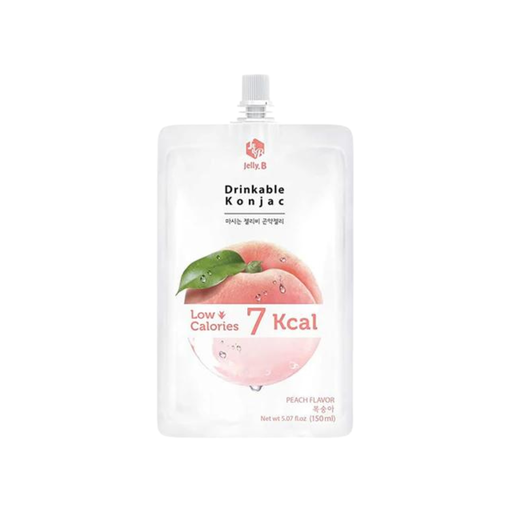
Why This Fits Their Persona: Ideal for individuals looking for an extremely low-calorie, convenient snack for their diet or on the go. The drinkable format is hassle-free and requires no utensils.
This product bypasses the "sugar-free" trap by using erythritol. With only 7 calories per 150ml pouch, the entire serving is transparent and extremely low in calories.
Extremely low-calorie (approx. 5 kcal/100ml), sugar-free, and packaged in a convenient, resealable squeeze pouch.
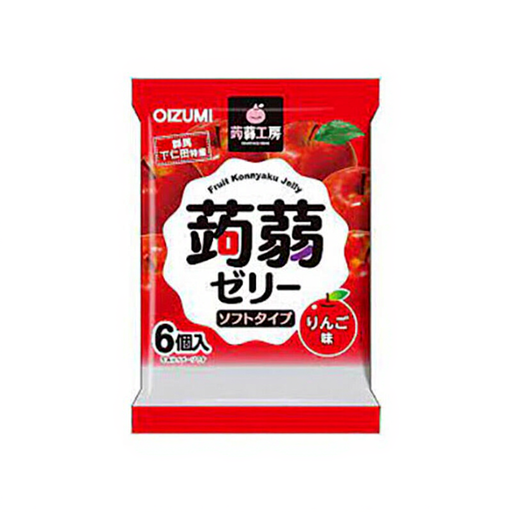
Why This Fits Their Persona: Perfect for connoisseurs who appreciate the authentic, firm bite of a traditional Japanese snack. The individually wrapped jelly pieces are ideal for a lunchbox or as a dessert.
This product avoids the pitfall of unexpected consistency. It offers clearly defined, firm jelly pieces, not a drinkable gel, meeting expectations for a classic konjac snack.
Authentic, firm, and chewy texture. Convenient individual packaging for controlled portioning.
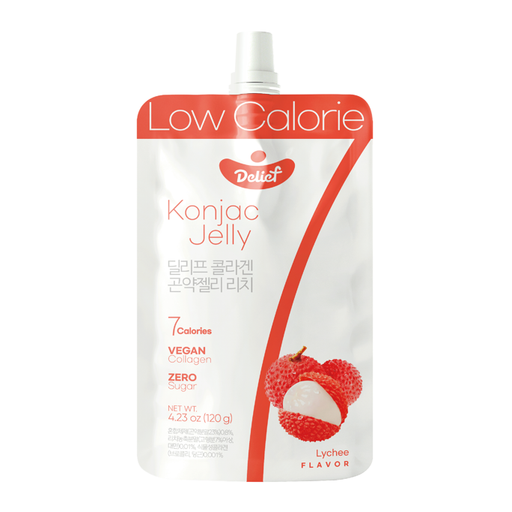
Why This Fits Their Persona: Specifically for consumers seeking a vegan fruit jelly who value purely plant-based ingredients. The addition of plant-based collagen offers an extra benefit.
The clear "vegan" and "sugar-free" declarations provide immediate transparency. At just 5 kcal per 100g, it's a safe choice for a strict diet without hidden calories.
Purely vegan formula, sweetened with erythritol, and contains plant-based collagen from carrots. Very low in calories.
We've compiled a complete, up-to-date list of products that fully meet these strict selection criteria.
1. How do you eat konjac jelly correctly to avoid choking? Firm konjac jellies have a very chewy consistency. It is important to chew each piece thoroughly before swallowing. For drinkable jellies, squeeze them slowly from the pouch and consume in small sips. Caution is particularly advised for children and the elderly. The warning labels on the packaging should always be followed.
2. Is konjac jelly suitable for a ketogenic diet? That depends on the product. Konjac jellies that are sweetened exclusively with zero-calorie sweeteners like Erythritol, sucralose, or stevia and contain no other carbohydrate sources are generally keto-friendly. Always check the nutrition facts for the net carbohydrate content (total carbs minus sugar alcohols). Products containing sugar or corn syrup are not suitable for a ketogenic diet.
3. Does konjac jelly need to be refrigerated? Most konjac jellies are shelf-stable when unopened. They should be stored in a cool, dry place away from direct sunlight. However, many manufacturers recommend serving the products chilled, as this enhances the flavour and refreshing effect. After opening, any leftovers should be stored in the refrigerator and consumed quickly, usually within 24 hours.