
Lieferung heute & morgen

Qualitätsgarantie

Willkommens-Angebote freischalten: KOSTENLOSE Lieferung | Bis zu 80 % RABATT | Kostenlose 30-Tage-JoyPlus-Testphase
App herunterladen
Konjac jelly has evolved from a niche product into a popular snack in the UK and Europe. As a light, often fruity treat with its origins in Asian cuisine, it appeals to many who are looking for an alternative to traditional sweets. However, the growing market can make the choice overwhelming. Some products don't live up to their promises, leading to disappointment. This guide will help you avoid the most common pitfalls and make an informed decision.
Before you decide on a product, you should be aware of three common issues that can spoil the experience:
To avoid these pitfalls, it's helpful to check three core parameters. These provide insight into the actual quality and suitability of a product for your needs.
The basis for the characteristic mouthfeel of konjac jelly is konjac flour (also known as glucomannan). It is a soluble fibre from the root of the konjac plant. The higher its content, the firmer and chewier the texture. Many products, especially classic Japanese snacks, rely on this property. Other jellies, often referred to as fruit jelly, use alternative gelling agents like Carrageenan (E407) or Pectin, which create a softer, more gel-like consistency. Pay attention to the ingredients list to understand what texture you can expect.
For a truly low-calorie jelly, the type of sweetener is crucial. There are three main categories:
The nutrition table per 100g is the most reliable indicator of the actual sugar and calorie content.
Jelly Drink to CupThe format significantly influences the snacking experience. Asian sweets of this kind come in various forms:
The origin, whether it's a Japanese snack or a Korean jelly, can also provide clues about the flavour profile and texture.
Instead of making a blanket recommendation, we have matched products to different needs and preferences.
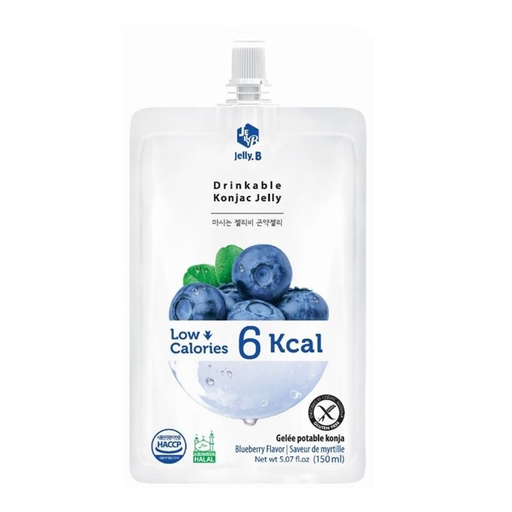
Why This Fits Their Persona: Ideal for anyone looking for a sweet snack without the guilt. This Korean jelly is specifically designed for a low-calorie diet, offering fruity flavour with no sugar.
This product consistently avoids the "low-calorie" trap. According to the manufacturer, it contains 0g of sugar and is sweetened with erythritol, resulting in an extremely low calorie count.
The resealable squeeze pouch is convenient for on-the-go snacking. The calorie content is transparent and very low, at just 6 kcal per 150ml serving.
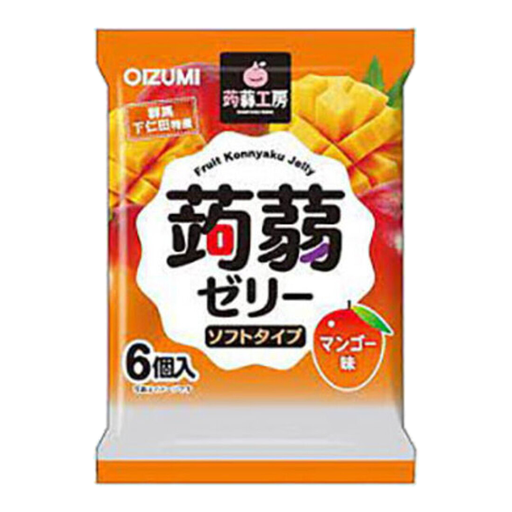
Why This Fits Their Persona: For lovers of Japanese snack culture who value an authentic, firm texture and a full fruit flavour. This product prioritises the traditional experience.
This product avoids the texture disappointment. It's made in Japan and is known for its characteristic, chewy konjac consistency, rather than being just a soft jelly.
Offers an authentic taste experience with a tropical mango flavour. The calorie content is moderate and clearly stated at 100 kcal per 100g.
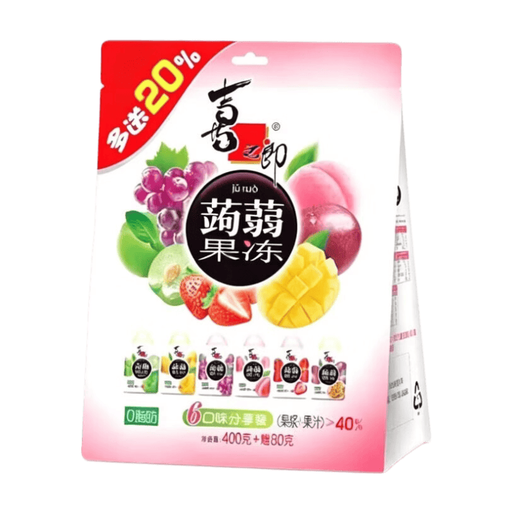
Why This Fits Their Persona: Perfect for families, flatmates, or anyone who likes to keep a supply of snacks on hand. The bulk pack with various flavours offers variety and convenience.
This product solves the problem of limited choice. Instead of having to commit to one flavour, it offers six different ones in a single convenient pack.
The bulk pack is ideal for sharing and regular consumption. According to the manufacturer, each flavour contains ≥40% fruit content.
Most konjac jellies should be stored in a cool, dry place, away from direct sunlight. Once opened, it is advisable to store the product in the refrigerator and consume it quickly. Many products taste even more refreshing when chilled. Always follow the storage instructions on the packaging.
The main difference lies in the gelling agent and the resulting texture. Konjac jelly is made from the flour of the konjac root, which gives it a firm, elastic, and chewy consistency. Traditional gelatin desserts or fruit gummies are usually based on gelatin (animal-based) or pectin (plant-based) and have a softer, less firm structure.
Caution is advised here. Due to their firm and chewy consistency, konjac jellies pose a choking hazard, especially for young children and the elderly. Many manufacturers print a corresponding warning notice on the packaging. It is important to chew the jelly thoroughly before swallowing and not to consume it whole. It is generally not recommended for very young children.