
当日/次日达

品质保障

开启新人专享福利: 全场免邮 | 低至 2 折 | 免费试用 30 天 JoyPlus 会员
下载 Joybuy
By Joybuy Product Recommendation Officer, August 28, 2026
Konjac jelly has evolved from a niche Asian product into a popular snack in households worldwide. Whether as a low-calorie alternative to traditional sweets, a convenient drinkable jelly for on-the-go, or an exotic fruit jelly snack, the selection is constantly expanding. But as its popularity grows, so do the marketing claims, which don't always deliver on their promises. Many consumers reach for products advertised as healthy, only to find they have hidden drawbacks.
This guide will help you identify the key characteristics of high-quality konjac jelly and avoid common purchasing traps. This way, you can ensure you're getting a product that meets your expectations for taste, texture, and ingredients.
Before you decide on a product, you should be aware of three common issues that often lead to disappointment:
To make an informed purchasing decision, you should carefully examine the ingredient list and nutritional information. Pay particular attention to the following three points.
The texture is the heart of any Asian jelly. The main difference lies in the gelling agent used:
A look at the type of sweetener reveals a lot about the character of the snack:
The packaging is more than just a container; it defines the use case:
Additionally, always check the percentage of fruit juice concentrate. A high percentage (e.g., over 10%) indicates a more natural and intense fruit flavour, as you would expect from a high-quality mango jelly or fruit jelly snack.
Based on the criteria above, we have selected a few products from our range that are suitable for different needs.
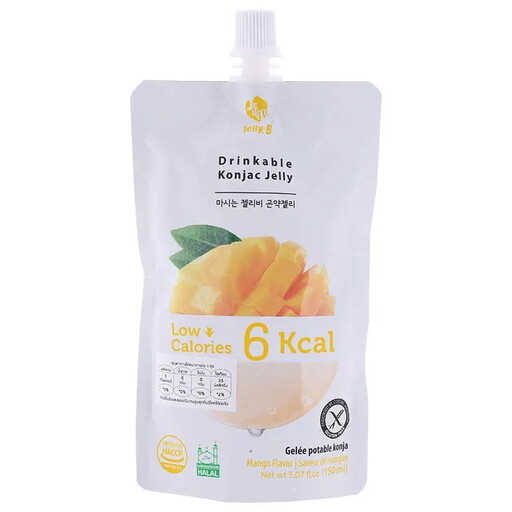
Why This Fits Their Persona: Ideal for anyone who doesn't want to give up a sweet reward while on a diet or maintaining a health-conscious lifestyle. The convenient squeeze pouch makes it the perfect companion for the office, university, or after a workout.
This Korean jelly consistently avoids the "low-calorie" trap. It's sweetened with erythritol and, according to the manufacturer, contains no sugar and only 6 kcal per 150ml serving.
Extremely low-calorie, sugar-free, and vegan. The konjac flour base provides a pleasantly satisfying and firm texture.
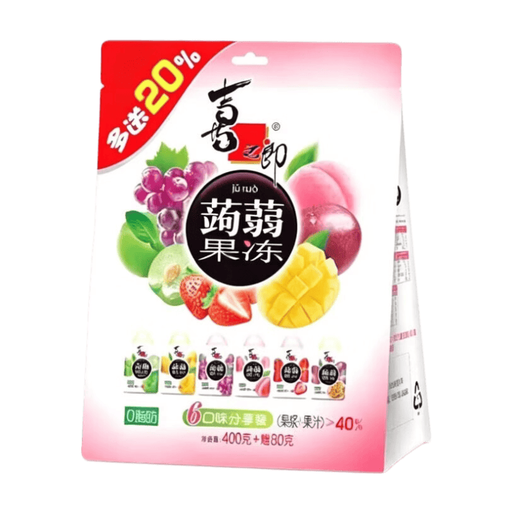
Why This Fits Their Persona: Perfect for those who prioritise an authentic and intense fruit flavour over the lowest possible calorie count. The bulk pack with six different varieties is ideal for sharing and sampling.
This product avoids the artificial flavour trap with a declared fruit content of ≥40% (according to the manufacturer). It delivers real fruit taste instead of just flavourings.
Very high fruit content for a natural taste experience. The blend of fruit pulp and juice creates a rich texture. Six flavours offer variety.
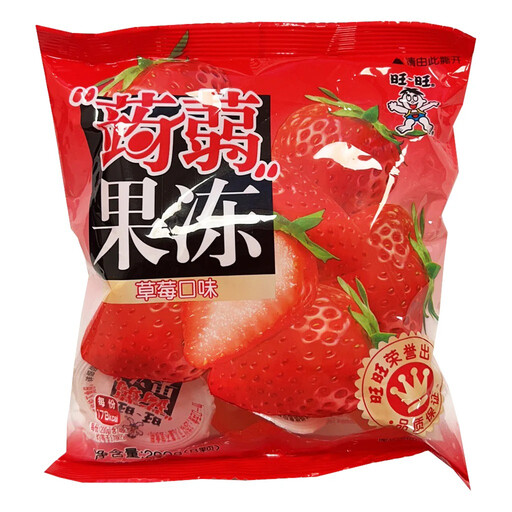
Why This Fits Their Persona: An accessible product for anyone exploring the world of konjac jellies for the first time. The classic strawberry flavour and typical texture offer an authentic yet straightforward experience.
This jelly avoids the texture-disappointment trap. It delivers the expected, characteristically firm and chewy consistency you'd expect from a konjac product, making it a great reference point.
Offers a balanced ratio of sweetness and fruit flavour with the typical konjac texture. The 200g pack is well-portioned for a single snack.
We've compiled a complete, up-to-date list of products that fully meet these strict selection criteria.
The main difference lies in the gelling agent and the resulting texture. Konjac jelly is made from konjac flour (glucomannan), a plant-based fibre. This gives it a firm, elastic, and chewy consistency. Conventional jelly desserts are usually based on gelatin (an animal product) and have a softer, more wobbly structure. Therefore, konjac jelly is often vegan, while a typical jelly dessert is not.
Most konjac jellies are shelf-stable at room temperature when unopened. Storing them in a cool, dry place is sufficient. However, it is often recommended to eat them chilled, as this makes the texture firmer and the taste more refreshing. Once opened, especially with resealable squeeze pouches, the product should be stored in the refrigerator and consumed quickly. Always follow the storage instructions on the packaging.
Caution is advised here. Due to its firm and chewy consistency, konjac jelly poses a choking hazard, especially for young children and the elderly. For this reason, many manufacturers include a warning notice on the packaging. It is important not to swallow the jelly whole, but to chew it thoroughly. For children, consumption should only take place under adult supervision.