
Same-day & Next-day Delivery

Quality Guaranteed

Unlock Your Welcome Offers: FREE Delivery | Up to 80% OFF | Free 30-day JoyPlus trial
Download the APP
By Joybuy Product Recommendation Officer, August 29, 2026
Finding a satisfying, sweet snack that aligns with a health-conscious lifestyle or diet can be a challenge. Products like mango-flavoured konjac jelly have become particularly popular, but the market is crowded and confusing. Many products don't live up to their promises. This guide will help you identify the common pitfalls and make an informed choice.
Before you decide on a product, you should be aware of two widespread issues that often lead to disappointment:
To avoid a bad buy, check three essential features before you purchase. These will reveal the true quality of a konjac jelly.
A truly sugar-free jelly avoids sucrose. Instead, sugar alcohols or sweeteners are often used. Pay close attention to the ingredients list:
A look at the nutrition label will tell you if the value for "Carbohydrates, of which sugars" is 0g. This is a clear indicator of a suitable diet snack.
The base for a konjac jelly drink is konjac flour, also known as glucomannan. This plant-based dietary fibre provides a feeling of fullness and the basic gel structure. However, the quality of the final product heavily depends on its combination with other gelling agents. A good blend of konjac flour, carrageenan, and gellan gum ensures a smooth, pleasantly firm, yet easily drinkable texture, rather than being rubbery.
The term "Mango" can mean many things. For an authentic taste experience, you should favour products that list real fruit content.
A high-quality vegan fruit jelly ideally combines fruit juice concentrate with natural flavours for a well-rounded flavour profile.
Here are some recommendations tailored to different needs and preferences.
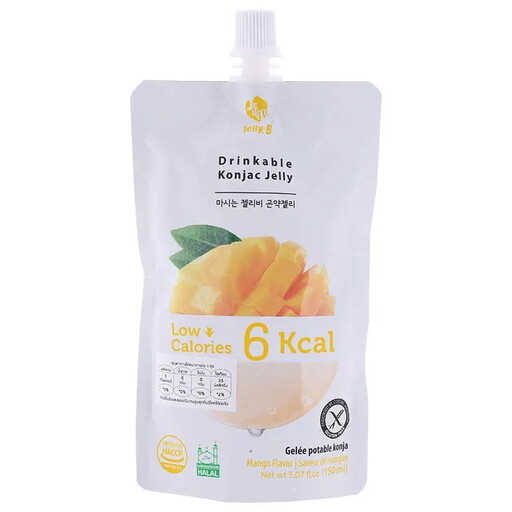
Why This Fits Their Persona: Ideal for anyone looking to satisfy sweet cravings during a diet without making compromises. This Korean snack is convenient for on-the-go and satisfies the desire for a fruity dessert.
It's sweetened with erythritol and contains 0g of sugar. The texture is pleasantly smooth and not rubbery, thanks to a balanced blend of different gelling agents.
Only 6 kcal per 150ml serving. Contains white grape juice concentrate and natural mango flavour for an authentic taste.
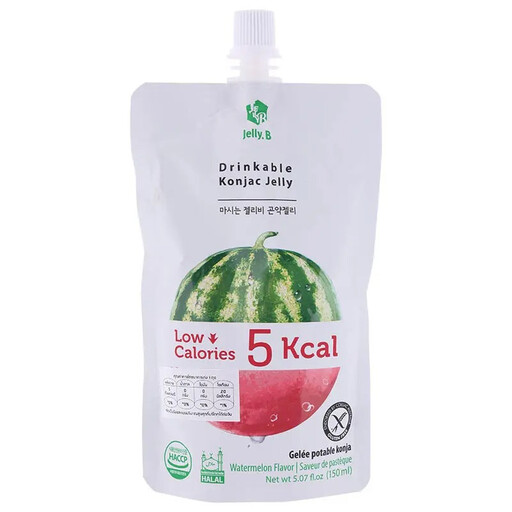
Why This Fits Their Persona: For konjac jelly connoisseurs looking for new, refreshing flavour experiences. The watermelon variety offers a light, summery alternative to classic fruit flavours.
Based on the same proven formulation as the mango version, ensuring consistently high quality in terms of calories, sweetness, and texture.
Extremely low in calories with only 5 kcal per serving. Contains watermelon juice and natural flavours for a refreshing, non-artificial taste.
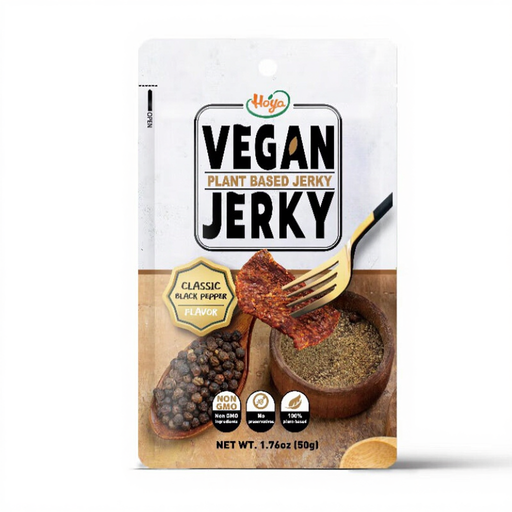
Why This Fits Their Persona: For health-conscious individuals who prefer a protein-rich, savoury snack over a sweet option. Ideal as a filling post-workout snack or for when salty cravings hit.
Offers a satisfyingly chewy experience and a feeling of fullness without the high fat content of traditional jerky or the sugar of sweet snacks. The seasoning is bold and authentic.
High in plant-based protein (22g per 100g). The base of textured soy and wheat protein provides a meat-like, chewy texture.
We've compiled a complete, up-to-date list of products that fully meet these strict selection criteria.
Before opening, refrigeration is not necessary. The products are shelf-stable and can be stored at room temperature in a dry place away from light. However, for the best taste experience, it is recommended to chill the jelly before consumption, as it is more refreshing when cold. After opening, it should be stored in the refrigerator and consumed within 48 hours.
Yes, most konjac jellies are completely vegan. Unlike traditional jelly desserts, which often contain gelatine (of animal origin), the texture of konjac jelly is based on plant-based gelling agents like konjac flour, carrageenan, and gellan gum. This makes it a suitable Korean jelly snack for a vegan lifestyle.
The main difference lies in the ingredients and nutritional values. Regular fruit jelly or jelly desserts typically contain a lot of sugar and gelatine. A low-calorie snack like konjac jelly, on the other hand, uses konjac flour as a gelling agent and zero-calorie sweeteners like erythritol. As a result, it has only a fraction of the calories and no sugar for a similar volume.