
Lieferung heute & morgen

Qualitätsgarantie

Willkommens-Angebote freischalten: KOSTENLOSE Lieferung | Bis zu 80 % RABATT | Kostenlose 30-Tage-JoyPlus-Testphase
App herunterladen
Looking for a sweet reward that fits into a conscious lifestyle? The craving for something sweet often leads to products high in sugar and calories. Konjac jelly has emerged as a popular alternative, especially for those who are mindful of their diet. This article serves as your guide, providing objective information on various konjac jellies to help you make an informed choice, free from the influence of marketing claims.
The range of konjac products is expanding. To find the right jelly for your needs, consider the following criteria.
A crucial factor is the type of sweetener used. Some products are completely sugar-free konjac jelly, while others contain fruit juice concentrates or syrup.
Always check the ingredients list and nutritional information to ensure the product meets your dietary requirements.
The main ingredient is konjac flour, derived from the root of the konjac plant. It is rich in glucomannan, a soluble fibre responsible for the gel-like consistency. The texture can vary by manufacturer and recipe—from very soft to firm and chewy, similar to a classic sugar-free fruit jelly. The packaging, often a squeeze pouch, is designed for direct consumption, making it a convenient low-calorie snack for on-the-go.
Some manufacturers enrich their diet jelly with extra ingredients to offer added functional benefits. These can include:
These additions can elevate a product from a simple sweet treat to a functional part of your diet.
Here is a selection of konjac jelly products, curated based on their objective features and ingredients.
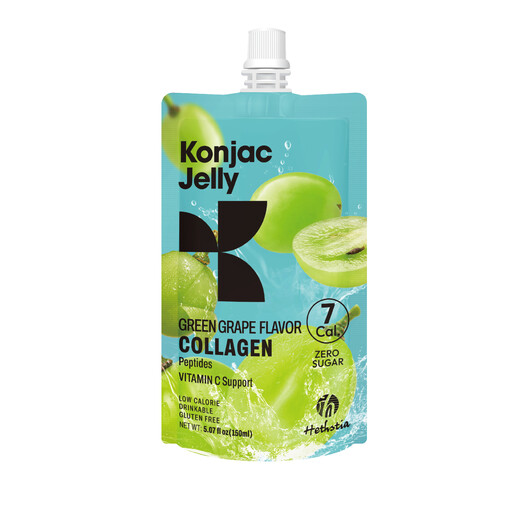
Why It Stands Out: This product combines the benefits of a low-calorie snack with added collagen peptides. It is completely sugar-free and sweetened with erythritol, making it an ideal option for highly calorie-conscious diets.
Benefits:
Who It's For: Individuals looking for an extremely low-calorie, zero-sugar snack option who are also interested in the potential benefits of collagen. It fits well into ketogenic or low-carb diet plans.
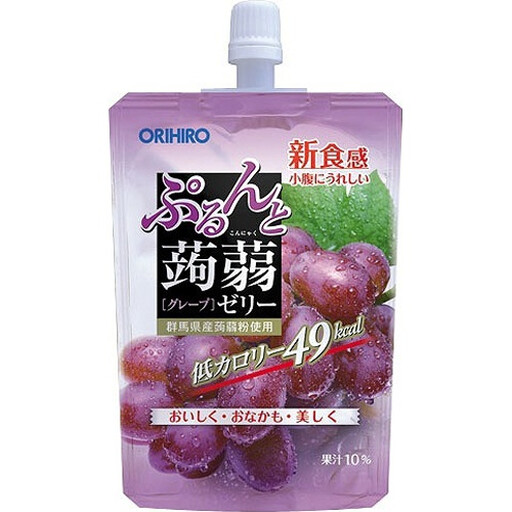
Why It Stands Out: This product from ORIHIRO, a well-known Japanese manufacturer, offers a classic Japanese jelly snack experience. It uses a blend of fruit juice, fructose syrup, and sweeteners for a full-bodied grape flavour.
Benefits:
Who It's For: Fans of Asian and Japanese sweets who appreciate authentic flavour and texture and are comfortable with a moderate sugar and calorie content.
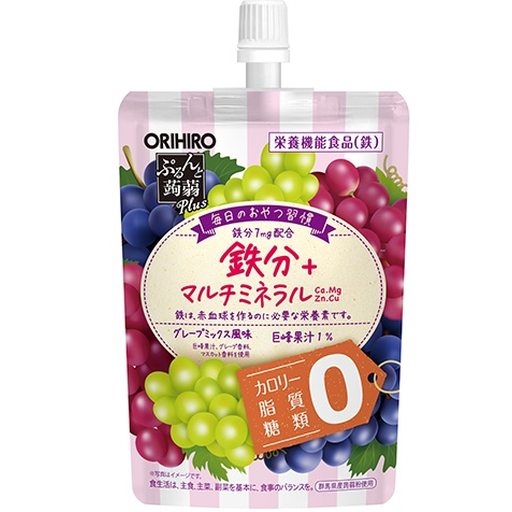
Why It Stands Out: This version from ORIHIRO is designed as a functional, sugar-free treat. According to its nutritional information, it contains zero calories and is fortified with minerals like zinc and copper, as well as biotin.
Benefits:
Who It's For: For health-conscious individuals seeking a zero-calorie, zero-sugar snack who also value an extra supply of specific minerals and biotin. Due to the sweetener aspartame (E951), it is not suitable for individuals with phenylketonuria.
The world of grape-flavoured sweet snacks is vast. If you'd like to explore other products like gummy candies or jellies with grape flavouring in addition to konjac jelly, you can find a wider selection here.
? Discover more products in the Grape Gummy category here
Konjac jelly is a gel-based snack whose main ingredient is konjac flour, made from the root of the Asian konjac plant. This flour is rich in the dietary fibre glucomannan, which forms a firm, gel-like substance when mixed with water. The jelly is often flavoured with fruit extracts and sweeteners and sold in convenient squeeze pouches.
Due to its typically very low calorie and often zero-sugar content, konjac jelly is frequently considered a diet jelly or a healthy sweet. Its high soluble fibre content can also contribute to a feeling of fullness. However, it's important to check the ingredients list, as some varieties may contain sugar or fructose syrup.
Konjac itself has a neutral taste. The flavour of the jelly is determined entirely by the added flavourings, such as grape, peach, or lychee. Its texture is its most distinctive feature: it is generally firmer and more elastic than a standard gelatin dessert, offering a pleasant, chewy bite.