
Lieferung heute & morgen

Qualitätsgarantie

Willkommens-Angebote freischalten: KOSTENLOSE Lieferung | Bis zu 80 % RABATT | Kostenlose 30-Tage-JoyPlus-Testphase
App herunterladen
Konjac noodles, also known as shirataki noodles, have become a popular alternative to traditional pasta, especially for those following a low-calorie or low-carb diet. However, the market can be overwhelming, and not every product delivers on its promise. This guide will help you avoid the most common pitfalls and make an informed purchasing decision.
Many first-time buyers are disappointed after their purchase because their expectations aren't met. This is often due to three common issues that are easy to avoid.
To find the right product, you should check two core aspects: the composition and the noodle shape.
The base for konjac pasta is flour from the konjac root, which is rich in the dietary fibre glucomannan. The composition determines the nutritional value and suitability for various diets.
The shape of the noodles affects how well they hold sauce and which dishes they are best suited for.
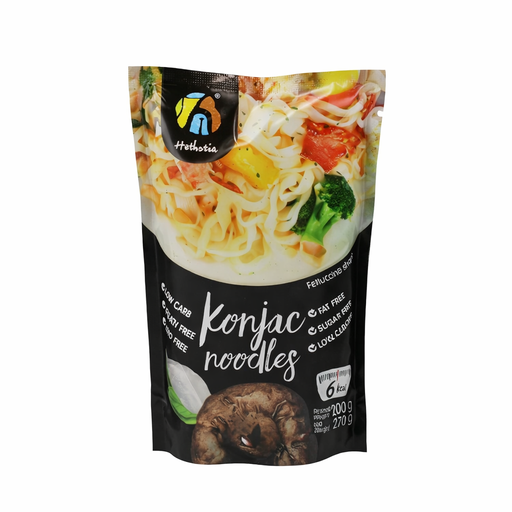
Why This Fits Their Persona: Ideal for individuals who need maximum control over their macronutrients. With only 6 kcal and 0g of net carbs per 100g, this product fits perfectly into a strict ketogenic or calorie-reduced diet.
The ingredient list is minimal and transparent, with no hidden carbs. The preparation instructions explicitly mention the need to rinse the noodles to remove their native odour.
Made from just water, konjac flour, and citric acid. The product is gluten-free, vegan, and Halal-certified, making it a pure and reliable choice.
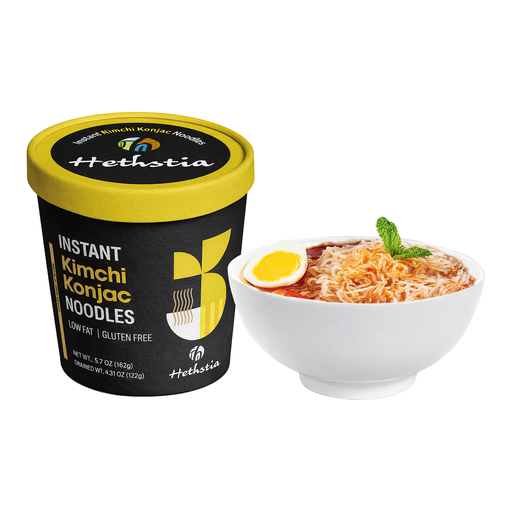
Why This Fits Their Persona: Perfect for a quick and hassle-free meal at the office or at home. As an all-in-one dish, it eliminates the need to prepare a separate sauce, lowering the barrier to entry for new users.
The noodles' native odour is completely masked by the flavourful kimchi soup. The texture of the noodles is well-suited to the soup, creating a harmonious eating experience.
Ultimate convenience. The meal is ready in minutes by just adding hot water. It offers a full-flavoured experience with only 34 kcal per serving.
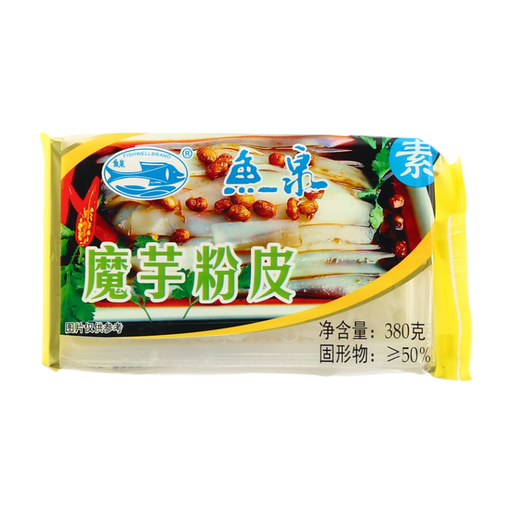
Why This Fits Their Persona: For anyone who loves to experiment and reimagine traditional dishes in a low-calorie version. The sheet format opens up entirely new culinary possibilities beyond classic pasta dishes.
This product is aimed at users who want to intentionally leverage the unique texture of konjac, rather than expecting an exact copy of wheat pasta. It's a specialty product for creative applications.
Extremely versatile. The sheets can be used for lasagna, cannelloni, as wraps, or even cut into strips to create custom noodle shapes. At 12 kcal per 100g, it remains extremely low in calories.
We have compiled a complete, up-to-date list of products that fully meet these strict selection criteria and quality standards.
The slightly earthy or fishy odour from the packaging liquid is normal and can be completely removed. To do so, pour the entire contents of the bag into a sieve and rinse the noodles thoroughly under cold, running water for 1-2 minutes. For optimal results, you can then blanch the noodles in boiling water for one minute.
Pure konjac noodles contain virtually no net carbohydrates that the body can digest. The carbohydrates listed on the nutrition label consist almost exclusively of the dietary fibre glucomannan, which the human body cannot convert into energy. This makes them an excellent choice for keto noodles. However, be mindful of products with additives like oat or corn starch, as these can contain small amounts of digestible carbs.
By themselves, konjac noodles are neutral in taste. Their strength lies in their ability to absorb the flavours of sauces, spices, and other ingredients they are paired with. Their texture is their most distinctive feature: they are not soft like wheat pasta but have a firm, slightly elastic bite.