
当日/次日达

品质保障

开启新人专享福利: 全场免邮 | 低至 2 折 | 免费试用 30 天 JoyPlus 会员
下载 Joybuy
By a Joybuy Product Recommendation Officer, August 28, 2026
Konjac noodles, also known as shirataki noodles, have become a popular alternative to traditional pasta, especially for health-conscious individuals and those following a low-carb or keto diet. Their appeal lies in the facts: they are low-calorie noodles, often free of carbs, fat, and gluten. However, the initial experience can be disappointing for many. Before you buy konjac noodles, it's crucial to understand the common pitfalls that often lead to an unsatisfying result.
Many first-time buyers report two main issues: an unfamiliar, slightly fishy smell when opening the package and a rubbery texture after cooking. A third, less obvious pitfall involves instant meals, whose sauces and seasoning packets can contain unexpected amounts of sugar or calories, negating the noodles' health benefits. This guide will help you overcome these hurdles and find the right product for your needs.
To make an informed decision, you should understand three core aspects of konjac products. These largely determine their taste, texture, and best use cases.
The shape of the noodle is crucial for how well it suits certain dishes. Each variety interacts differently with sauces and ingredients.
The choice between plain noodles and ready-to-eat meals depends on your lifestyle and cooking habits.
Most shirataki noodles consist of just three ingredients: water, konjac flour, and an acidity regulator (often calcium hydroxide or citric acid) that stabilises the noodles. Some manufacturers add other ingredients to modify the texture or nutritional value.
Here are some recommendations tailored to different needs and use cases.
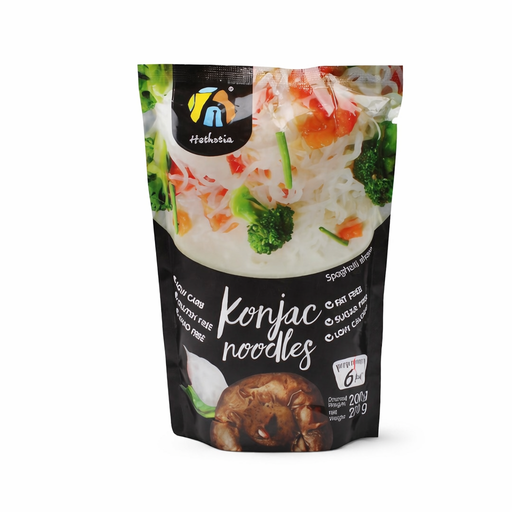
Why This Fits Their Persona: The classic spaghetti shape is familiar and extremely versatile. It's ideal for first-time experiments, as it can be paired with almost any sauce you already know and love. Perfect for getting accustomed to the texture of konjac noodles.
As these are plain noodles, you can completely eliminate the native odour by rinsing them thoroughly. You can also prevent a rubbery texture with proper preparation (e.g., a quick dry-fry in a pan).
Made from just water, konjac powder, and citric acid. At 6 kcal per 100g, it's one of the lowest-calorie options available and provides a neutral base for any dish.
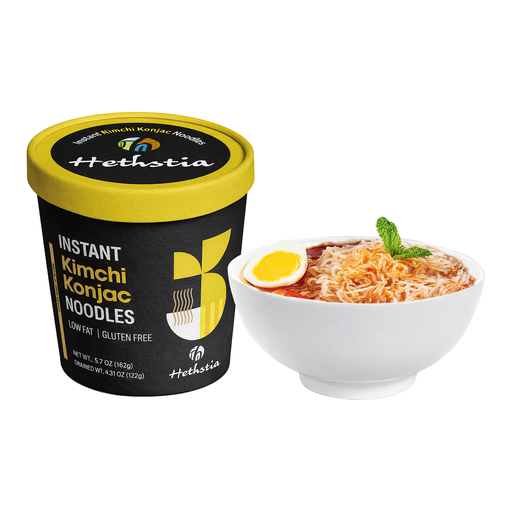
Why This Fits Their Persona: For days when you need something fast. This instant meal is ready in two minutes and only requires hot water or a microwave. It's a complete, flavourful meal-in-a-cup, ideal for a lunch break at the office or a quick dinner.
The nutritional information is clearly stated (34 kcal per serving). This helps you avoid the hidden-calorie trap, as you know exactly what you're consuming and can make a conscious choice for a quick yet low-calorie meal.
Maximum convenience with no cooking required. The kimchi soup base provides an intense flavour that perfectly complements the neutral konjac noodle.
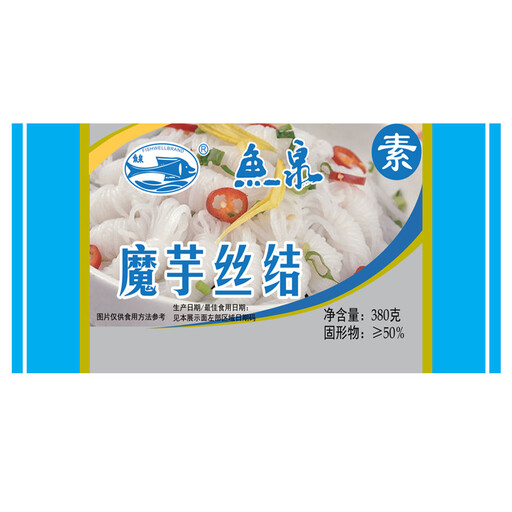
Why This Fits Their Persona: For anyone who loves to experiment in the kitchen. The unique knot shape offers not only an appealing look but also an especially firm, chewy texture. It's ideal for Asian dishes like hot pot, ramen, or as an addition to rich broths.
The firm texture of these knots is naturally less "rubbery" than that of very thin noodles, especially when used in soups or stews. This bypasses the texture problem by using a shape optimised for such preparations.
The knot shape retains its bite even during prolonged cooking and doesn't fall apart. With 0g of fat, protein, and salt according to the manufacturer, it's a very pure ingredient for creative, healthy dishes.
We've compiled a complete, up-to-date list of products that fully meet these strict selection criteria.
The slightly fishy odour comes from the alkaline liquid (usually a calcium hydroxide solution) the noodles are packed in to preserve them. It's harmless and easy to remove. Place the noodles in a sieve and rinse them thoroughly under cold, running water for 1-2 minutes. The smell should be completely gone afterwards.
A rubbery texture is often caused by excess moisture. To avoid this, you can add an extra step after rinsing: place the noodles in a hot, dry pan (without oil) and toss them for 1-2 minutes. This allows the remaining surface water to evaporate, giving the noodles a firmer, more pleasant texture. You can then add them to your sauce or dish as usual.
Yes, plain konjac noodles are an excellent choice for a ketogenic diet. They typically contain zero or a negligible amount of net carbs, as the majority of carbohydrates consist of indigestible fibre (glucomannan). This makes them ideal keto noodles. However, with instant meals, always check the nutritional information of the sauce, as it may contain sugar or other carbohydrates.