
Lieferung heute & morgen

Qualitätsgarantie

Willkommens-Angebote freischalten: KOSTENLOSE Lieferung | Bis zu 80 % RABATT | Kostenlose 30-Tage-JoyPlus-Testphase
App herunterladen
Finding the right foods for a low-calorie or low-carb diet can be a challenge. Many find it particularly difficult to give up classic filling side dishes like rice. This is where konjac rice offers an intriguing alternative.
This article serves as a practical guide. It explains what to look for when choosing konjac rice products and presents a selection of convenient, ready-to-eat options that can make mindful eating easier in your daily routine.
To find the right product for your needs, it helps to know a few basic criteria. The differences are often in the details.
The term "konjac rice" can refer to pure products made from konjac flour or to blends. Many commercially available varieties combine konjac with a portion of conventional rice or other grains.
A key advantage of many konjac products is their quick and easy preparation. There are two main types:
The texture of pure konjac rice is slightly chewy or firm to the bite, and its flavour is very neutral. This makes it an excellent carrier for sauces and spices, as it absorbs their aromas well. For those who prefer a more rice-like consistency, the aforementioned blends are a better choice. The added rice or grains loosen the texture and provide a familiar mouthfeel, making the switch to a low-carb rice easier.
Based on the criteria above, we have curated a selection of practical konjac rice blends that stand out for their composition and ease of use.
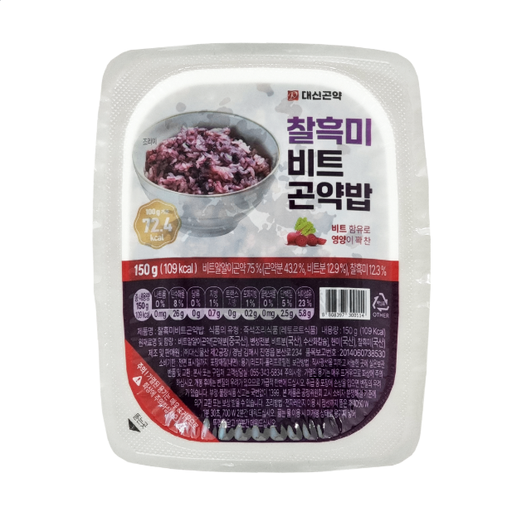
What makes it special: This blend combines konjac granules (75%) with black sticky rice and beetroot. The nutritional values per 100g are 73 kcal and 17.3g of carbohydrates. The beetroot gives the rice an appealing colour, while the black sticky rice provides a pleasantly sticky yet firm texture.
Benefits:
Who is it for? For those looking for a visually appealing and versatile low-calorie rice that offers more bite and substance than pure konjac rice. Ideal for bowls or as a side for Asian dishes.
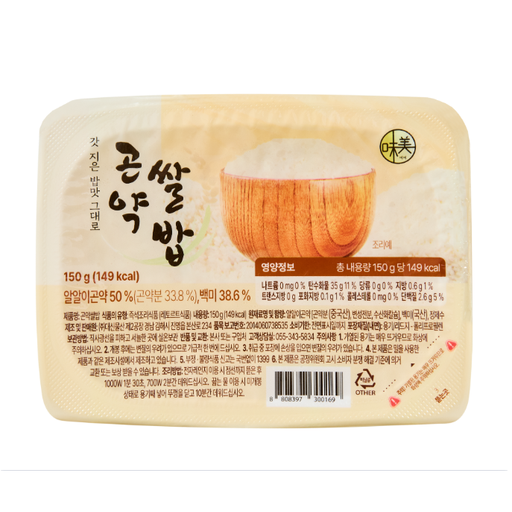
What makes it special: A classic and straightforward option, consisting of 75% konjac granules and 10% white rice. With 99 kcal and 23.3g of carbohydrates per 100g, it's a great transitional option for anyone looking to reduce their calorie intake without giving up a familiar rice base.
Benefits:
Who is it for? Ideal for beginners and purists seeking a simple rice for weight management to use as a base for a variety of dishes. It works wonderfully in curries, stir-fries, or as a simple filling side.
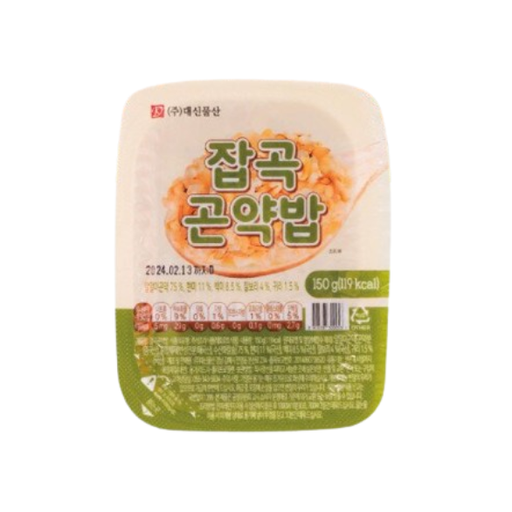
What makes it special: This multigrain version contains a blend of brown rice, white rice, barley, and oats in addition to konjac (75%). The result is a more nutrient-rich low-carb rice with 79 kcal and 19.3g of carbohydrates per 100g. The different grains provide a slightly nutty flavour and a varied texture.
Benefits:
Who is it for? For health-conscious individuals who not only want to reduce calories but also boost the nutritional value of their meals with whole grains. A great choice for a balanced, high-fibre diet.
While konjac rice is an excellent base for savoury meals, you might be looking for a different kind of treat. Sometimes, you just need something sweet.
Discover our selection of sweet waffles, which offer a delicious change of pace for a light snack or dessert.
Konjac rice, often called shirataki rice, is made from the flour of the konjac root (Amorphophallus konjac). Its main component is the soluble dietary fibre glucomannan. In its pure form, it is almost free of calories, fat, and digestible carbohydrates. However, many products available in stores are blends of konjac and conventional rice to improve taste and texture.
That depends on the product. Pure shirataki rice, which consists only of konjac flour, water, and a stabiliser, is a virtually zero-carb rice. The products featured here are blends that contain a certain amount of carbohydrates from rice or grains. However, they offer a significant reduction compared to 100% cooked rice, making them a great option for a carb-conscious and calorie-conscious diet.
Pure konjac rice has a very neutral flavour and a slightly firm, sometimes described as chewy, texture. Its strength lies in its ability to absorb the flavours of sauces, broths, and spices. The blended products featured, like the ready-to-eat konjac rice from DSKONYAKU, taste more familiar due to the rice and grain content and have a more pleasant, rice-like consistency.