
Lieferung heute & morgen

Qualitätsgarantie

Willkommens-Angebote freischalten: KOSTENLOSE Lieferung | Bis zu 80 % RABATT | Kostenlose 30-Tage-JoyPlus-Testphase
App herunterladen
Finding a suitable rice alternative that fits into a calorie- or carbohydrate-conscious diet can be a challenge. When you need a meal that's also quick to prepare, a convenient solution is essential. Konjac rice, also known as shirataki rice, has established itself as a popular option.
This article serves as a guide. It presents objective information and product features to help you make an informed decision when purchasing konjac rice.
To find the right product for your needs, the following criteria can be helpful.
Pure konjac rice, made exclusively from konjac root flour and water, has a very specific, slightly chewy and gelatinous texture. For many, this takes some getting used to. An alternative is products that blend konjac granules with conventional grains such as rice, oats, or barley. These blends offer a texture more similar to that of normal rice, while the calorie and carbohydrate content remains lower compared to pure rice. Such products are well-suited as a low-carb rice or a general rice alternative.
Konjac products are available in various forms. Some require extensive rinsing before consumption to remove a distinct odour. A time-saving option is ready-to-eat konjac rice. These products are already pre-cooked, individually portioned, and only need to be heated briefly—either in the microwave or in a water bath. This is particularly practical for quick meals at the office or when you need a fast solution at home.
The terms "low-calorie" or "low-carb" are relative. It is advisable to always check the nutritional facts panel on the packaging. Compare the Energy (in kJ/kcal) and Carbohydrates (in g) content per 100 g to ensure the product meets your dietary requirements. Products from the DSKONYAKU Rice brand, for example, provide clear nutritional information.
Here is a selection of ready-to-eat, konjac-based rice products that stand out for their specific compositions and simple preparation.
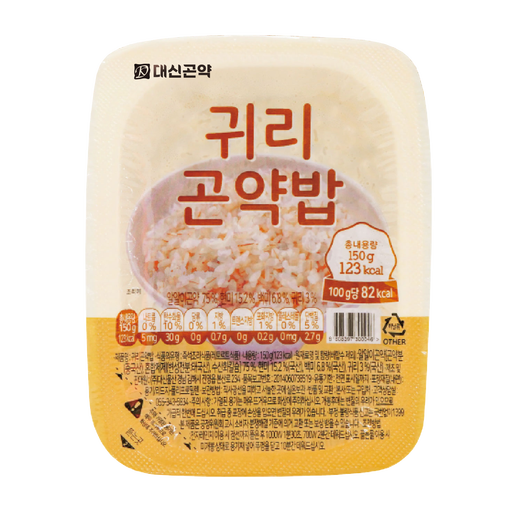
Why it stands out: This variety combines konjac granules with brown rice, white rice, and oats. The oat content provides a slightly different texture, making it an interesting option for those looking for variety.
Product Details:
Who it's for: Individuals who prefer a higher-fibre rice alternative with oats and need a quick, uncomplicated meal.
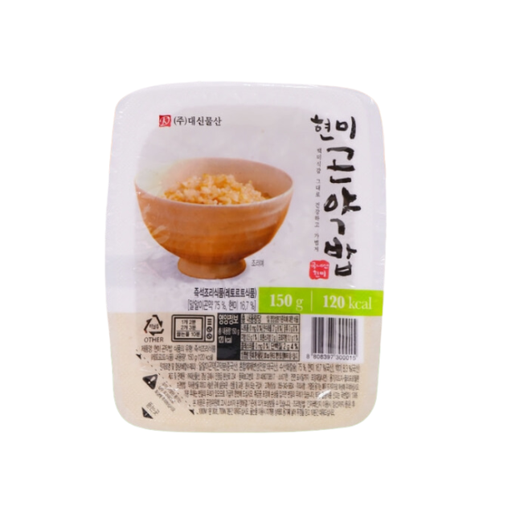
Why it stands out: With a 17% brown rice content, this blend offers a slightly nutty flavour and a firmer texture than pure white rice. It is one of the lowest-calorie options in this selection.
Product Details:
Who it's for: Users who appreciate the taste of brown rice and are looking for a particularly low-calorie and low-carb option.
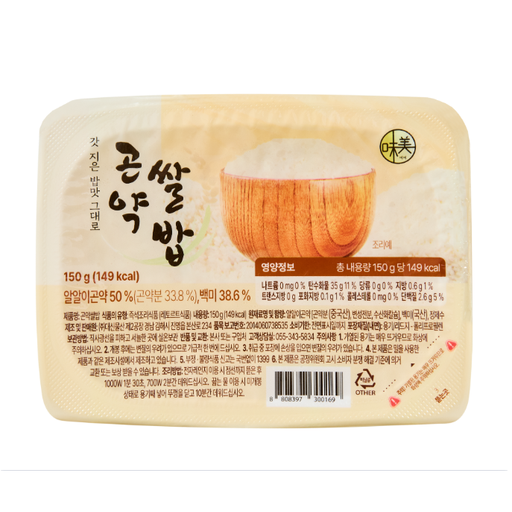
Why it stands out: This version is a simple blend of konjac granules and white rice. It offers a neutral flavour that pairs well with a variety of sauces and dishes.
Product Details:
Who it's for: Ideal for beginners who want to buy konjac rice and are looking for a neutral, versatile base for their meals.
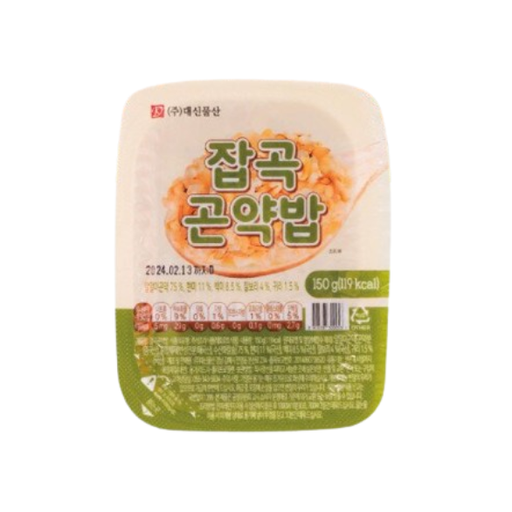
Why it stands out: As a multigrain version, this product contains brown rice, white rice, glutinous barley, and oats in addition to konjac. This blend delivers the lowest calorie count in this selection and a complex texture.
Product Details:
Who it's for: For health-conscious individuals who prefer a multigrain option with a diverse texture and the lowest energy value among the featured products.
Konjac rice is a functional side dish for main meals. If you are looking for a different kind of convenient snack for in-between meals instead, discover our selection of sweet corn snacks.
Pure shirataki rice is largely flavour-neutral and readily absorbs the taste of sauces or spices. The products featured here are blends of konjac and grains like rice, oats, or barley. As a result, they have a mild flavour of their own and a texture that is more reminiscent of conventional rice.
Yes, konjac rice is considered a low-carb rice and is a popular component in low-carb dietary plans. Its carbohydrate content is significantly lower than that of 100% grain rice. Since the featured products are blends, they contain a certain amount of carbohydrates from the added grains. A look at the nutritional panel of the specific product will provide exact details.
Preparation is very simple and quick. The pre-cooked portions just need to be heated. Typically, the pouch is opened slightly and heated in the microwave for about 1-2 minutes. Alternatively, the sealed pouch can be warmed in a pot of boiling water for about 10 minutes.