
Lieferung heute & morgen

Qualitätsgarantie

Willkommens-Angebote freischalten: KOSTENLOSE Lieferung | Bis zu 80 % RABATT | Kostenlose 30-Tage-JoyPlus-Testphase
App herunterladen
Finding a suitable alternative to conventional rice that fits into a health-conscious or calorie-reduced diet can be a challenge. Many products promise a simple solution, but the differences in composition, taste, and preparation are often significant. This guide serves as a reference, introducing you to various options for konjac rice so you can make an informed purchasing decision.
To find the right product for your needs, it helps to be familiar with a few basic criteria. The following points provide a clear framework for your selection.
The main advantage of konjac rice lies in its nutritional profile. Pure shirataki rice, which consists exclusively of konjac flour and water, is virtually free of calories and carbohydrates. However, many products on the market are blends that combine konjac with other grains like brown rice or multigrain.
Pay close attention to the nutritional information per 100 grams. A low-calorie rice should be well below the approx. 130 kcal of cooked white rice. Products declared as low-carb rice are distinguished by their low carbohydrate content. These blended varieties often offer a more pleasant, rice-like texture and are a great starting point if you are not yet familiar with the consistency of pure konjac.
A crucial factor in daily life is the preparation effort. Traditional konjac rice often needs to be rinsed thoroughly under running water to neutralise its natural odour. Modern products like ready-to-eat rice or express rice are much more practical. They are pre-cooked and only need to be heated briefly in the microwave or a water bath. These versions are ideal for a quick meal at the office or at home when time is short. Check the preparation instructions on the packaging to ensure the product fits your lifestyle.
Konjac itself is flavourless and readily absorbs the aroma of sauces and spices. However, its texture is often firmer and slightly gelatinous, which may not appeal to everyone. For this reason, blended products are a popular choice. Combining it with brown rice, black rice, or even barley and oats not only improves the mouthfeel but also provides additional nutrients and fibre, making it a healthy rice option.
Based on the criteria mentioned above, we have compiled a selection of products that stand out for their composition and ease of use.
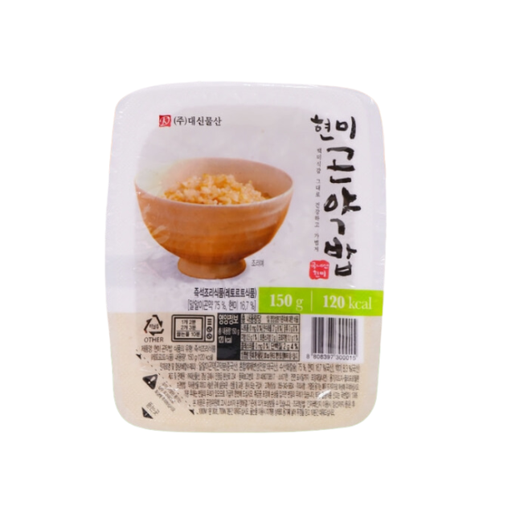
Why It Stands Out: This variety combines 75% konjac granules with brown and white rice. The blend creates a texture that is very close to that of conventional rice, making it an ideal introductory product.
Benefits:
Who Is It For? This product is perfect for those trying konjac rice for the first time and looking for a straightforward, low-calorie alternative that is nearly indistinguishable from regular rice in taste and texture. This express rice is also a great choice for professionals who need a quick and healthy meal base.
View Product: DSKONYAKU Brown Rice Konjac Rice 150g
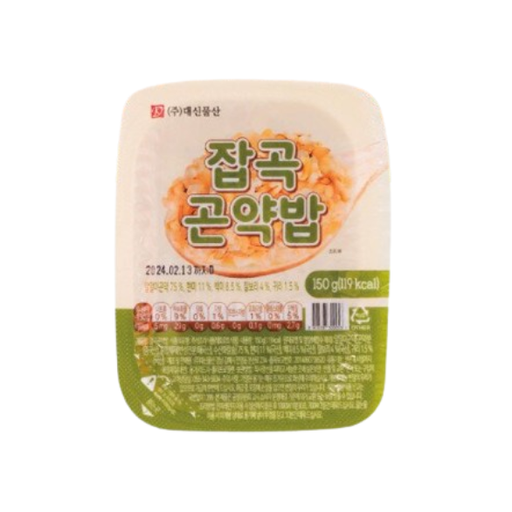
Why It Stands Out: This multigrain version enriches the konjac rice with brown rice, white rice, barley, and oats. The result is a more nutrient-dense mix with higher fibre content and a more complex texture.
Benefits:
Who Is It For? Ideal for health-conscious individuals who not only want to save calories but also increase the nutritional value of their meals. Anyone who appreciates the taste and texture of multigrain products will find this a suitable alternative.
View Product: DSKONYAKU Multigrain Konjac Rice 150g
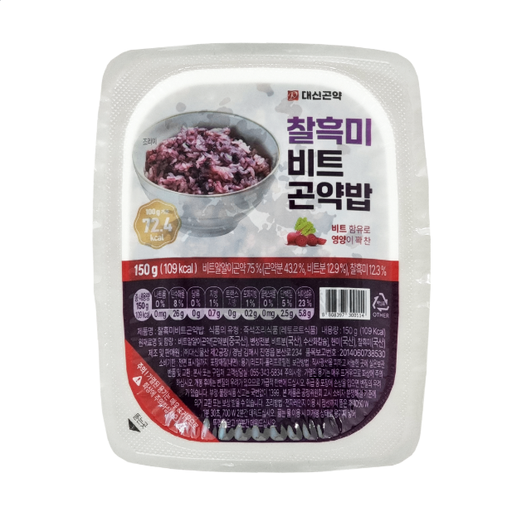
Why It Stands Out: This variety is unique in both appearance and taste. The mix of konjac, black sticky rice, and beetroot powder creates a striking colour and a slightly earthy note.
Benefits:
Who Is It For? For anyone who loves to experiment and is looking for a visually appealing and flavourful side dish. Those seeking an alternative for dishes traditionally made with sticky rice will find a calorie-reduced option here.
View Product: DSKONYAKU Sticky Black Rice Beet Konjac Rice 150g
Konjac rice is an excellent way to make side dishes more calorie-conscious. However, if you are looking for other simple and light alternatives for everyday life, it's worth exploring more products.
Also, discover our selection of crispy sweetcorn crisp – another convenient option for a light snack.
Konjac rice, also known as shirataki rice, is made from the flour of the konjac root (Amorphophallus konjac). This root is rich in the soluble fibre glucomannan. In its pure form, the rice consists almost entirely of this fibre and water, which is why it contains hardly any calories, carbohydrates, or fat.
Pure konjac rice is flavourless and has a firm, slightly gelatinous consistency. It absorbs the taste of sauces and spices very well. The blended products with brown rice or multigrain featured in this article have been developed to create a texture and mouthfeel that is much closer to that of traditional grain rice.
Due to its very low calorie and carbohydrate content, konjac rice is often used by people looking to manage their weight. It can be a filling component in a calorie-reduced diet, as its high fibre content can contribute to a long-lasting feeling of satiety. It is a popular ingredient for anyone specifically looking for rice for weight loss.