
Lieferung heute & morgen

Qualitätsgarantie

Willkommens-Angebote freischalten: KOSTENLOSE Lieferung | Bis zu 80 % RABATT | Kostenlose 30-Tage-JoyPlus-Testphase
App herunterladen
A konjac snack can be an interesting plant-based alternative to conventional nibbles. These products are usually made from konjac flour, water, starch, oil and a seasoning mix. Depending on the variety, their shape and bite may resemble konjac tripe, noodles or small pieces of rice or dough.
When buying, however, it is not just the “low-calorie” label that matters. The actual nutritional values, level of spiciness, portion size and allergen labelling are all important. Our selection is designed to help you distinguish marketing claims from verifiable product information.
Konjac itself provides very few calories in many products. However, the seasoning sauce can significantly alter the nutritional values. A snack containing 68 kcal per 100 g cannot automatically be equated with a seasoned version that also contains oil, sugar and a lot of salt.
For comparison: according to the product information, FISHWELL Shirataki Knots 380 g contains 16 kcal and 0 g fat per 100 g. By contrast, the spicy konjac snacks in this selection range from 68 to 196 kcal per 100 g, for example. Salt content also ranges from 0 g to 5 g per 100 g. If you want to keep an eye on calories or salt, you should therefore read the full nutritional table.
“Vegetarian” or “plant-based” does not automatically mean that a product is free from soya, sesame, peanuts or gluten. Seasoning mixes may also contain wheat, milk ingredients or other components.
The ingredients list is particularly important for vegans and vegetarians. Some products are seasoned with soya oil, sesame, peanut butter or wheat. The allergen information on the packaging should be checked before buying and whenever a new recipe is introduced.
A box containing 20 or more sachets may initially look like a large single portion. In reality, one sachet may contain just 9 g or 18 g. This is convenient for the office, travel and portion control, but less suitable if you intend to serve the snack as a side dish for several people.
You should therefore check the net quantity, number of sachets and grams per portion. This makes it easier to compare prices and nutritional values meaningfully.
A higher konjac content is not automatically proof of quality, but the ingredients list shows the actual proportion of konjac flour or konjac mixture. In several seasoned products in this selection, the stated konjac content is around 6 to 9 per cent, for example. Other varieties contain a higher proportion of konjac germ.
Additional ingredients such as tapioca starch, corn starch, oil, sugar and seasonings affect the texture, calorie content and flavour. If you are looking for the simplest possible recipe, you may prefer products with fewer ingredients, while fans of bold seasoning are more likely to focus on the sauce and flavour profile.
A mala snack typically combines chilli with Sichuan pepper. As well as heat, this creates a tingling or slightly numbing sensation in the mouth. Hot-pot varieties often contain chilli, bean paste, garlic and other spices. Sesame paste or BBQ varieties are usually less directly hot, but may contain more fat and sugar.
Mixed selections containing sesame, BBQ and spicy varieties are suitable for beginners. If you are specifically looking for a spicy Asian snack, pay attention to the product name and seasoning ingredients rather than relying solely on the images.
There are two basic product groups:
For FISHWELL Shirataki Knots 380 g, the recommendation is to rinse the knots after opening, heat them in boiling water for three to five minutes and then cool them under cold water. They are suitable for soup, cold dishes or as a hot-pot ingredient. The product is therefore more of a versatile side dish than a ready-to-eat snack.
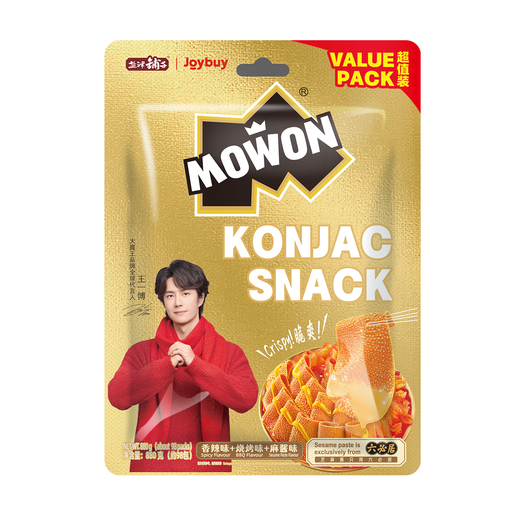
Why this product suits this profile: According to the product information, the mixed selection contains around 98 small individual packs with sesame paste, BBQ and spicy flavours. This makes it easy to try different seasonings and find your favourite.
The individual portions make the total weight transparent. The three varieties make it easier to compare flavours, although allergens should still be checked for each variety: soya, peanuts, sesame and gluten are among those listed.
A wide selection of individual sachets, ready to eat and easy to carry. Nutritional values vary according to flavour.
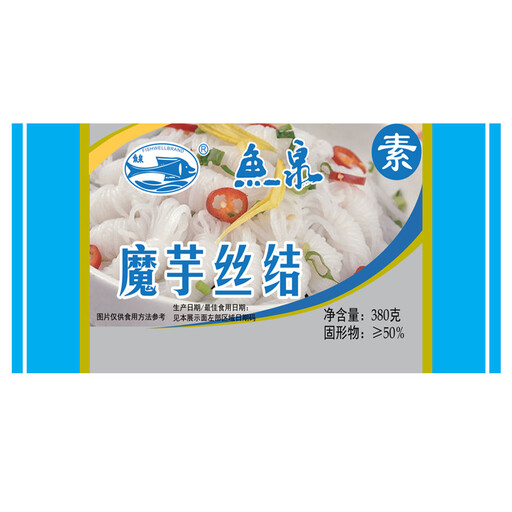
Why this product suits this profile: The ingredients list contains water, konjac powder and E526. The product is suitable for vegan diets and can be used flexibly in soups, cold dishes or hot pot.
The nutritional information states 16 kcal, 0 g fat, 0 g protein and 0 g salt per 100 g. As cooking is required, the distinction between a snack and a cooking ingredient is clear.
A short ingredients list, 380 g contents and versatile preparation options. The texture is described as smooth, elastic and pleasantly firm.
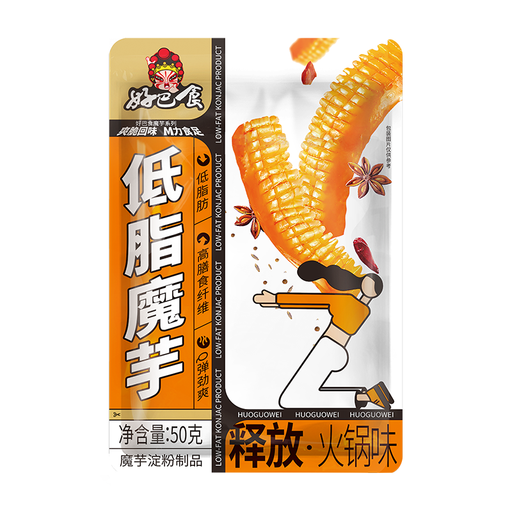
Why this product suits this profile: The 50 g pack is ready to eat and, according to the product information, can also be served with noodles, rice, hot and sour soup or hot pot. This makes it a good choice for fans of Chinese and Sichuan cuisine.
The product data states 71 kcal and 3.3 g salt per 100 g. The indication of seasoning intensity does not replace checking the nutritional table.
A spicy hot-pot profile, ready-to-eat convenience and compact 50 g portion. Wheat and soya are listed as allergens; traces of sesame may be present.
For vegan snacks, the word “vegetarian” alone should not be the deciding factor. Check the following:
A vegetarian konjac snack can have significantly different nutritional values from pure shirataki products because of its seasoning. For a vegan diet, you should also check the sauce, flavourings and any possible additives in the full ingredients list.
We have put together a complete, regularly updated list of products that fully meet these strict selection criteria and the safety regulations applicable in the EU.
Many products are based on water and konjac flour and are therefore plant-based. However, this does not automatically apply to every variety. Ingredients such as milk, beef flavouring, fish ingredients or squid powder may be present. The relevant ingredients list and labelling are the deciding factors.
That depends on the product. Ready-to-eat konjac snacks can be eaten straight from the sachet. Shirataki, konjac noodles, konjac rice and shirataki knots, on the other hand, often need to be rinsed and heated. FISHWELL Shirataki Knots have a stated cooking time of three to five minutes.
The best-before date is shown on the packaging. Unopened products are generally stored in a cool, dry place away from direct sunlight. Once opened, follow the relevant manufacturer’s instructions: the contents often need to be eaten promptly or stored in the fridge. Sachets with damaged packaging should not be used.