
Lieferung heute & morgen

Qualitätsgarantie

Willkommens-Angebote freischalten: KOSTENLOSE Lieferung | Bis zu 80 % RABATT | Kostenlose 30-Tage-JoyPlus-Testphase
App herunterladen
Are you looking for a snack that offers more than just salty or sweet? A snack with an intriguing texture and an authentic, spicy flavour profile? Then konjac tripe might be exactly what you're searching for. This popular Chinese snack has become a sought-after alternative for anyone who appreciates culinary variety.
As your Joybuy Product Recommendation Officer, my mission is to give you a clear overview of the available options. This article introduces you to different varieties of konjac tripe and provides practical information to help you choose, without getting lost in marketing jargon.
Before you decide on a product, some basic information can be helpful. Choosing the right snack often depends on personal preferences for texture and taste.
The name "tripe" refers exclusively to the shape and the firm, chewy texture of the snack, which is reminiscent of sliced tripe. In reality, it is a purely plant-based, vegan tripe substitute. The base is konjac flour, which is extracted from the root of the konjac plant. Depending on the processing, the texture can vary from chewy and elastic to slightly crispy.
The seasoning is the heart of this snack. The profiles are often intense and complex.
Spicy konjac snack is often offered in two formats: in large bags or boxes that contain many small, individually wrapped portions. The individual packs are convenient for on-the-go, for portion control, or to preserve freshness over a longer period. Larger formats are well-suited for sharing at social gatherings.
Here is a selection of products that represent different flavours and textures.

Why It Stands Out: This product focuses on an authentic red chilli oil flavour, refined with sesame, which leaves a rich, savoury aftertaste.
Benefits:
Who It's For: Individuals who prefer a classic, intense chilli heat without the numbing sensation of Sichuan pepper and who value convenient packaging.
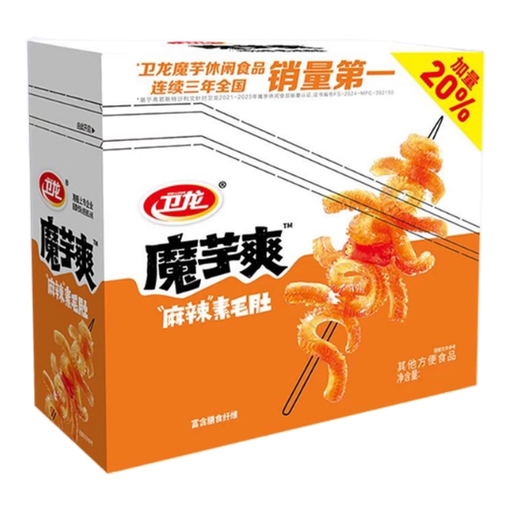
Why It Stands Out: As one of the most famous Wei Long snack items, this product embodies the typical "mala" (numbing and spicy) taste experience so prized in Sichuan cuisine.
Benefits:
Who It's For: Adventurous eaters who are specifically looking for the authentic and intense mala flavour and are familiar with or want to try the Wei Long brand.
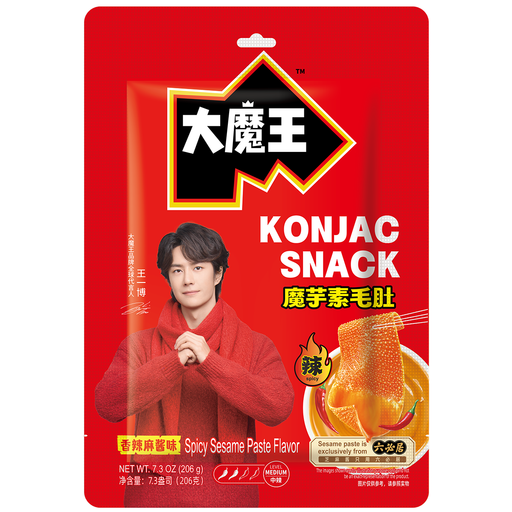
Why It Stands Out: This variant combines bold chilli heat with a rich and aromatic sesame paste, reminiscent of the flavour of hot pot dipping sauces.
Benefits:
Who It's For: Snack lovers who appreciate complex, savoury flavours and enjoy the combination of spicy heat and nutty depth.
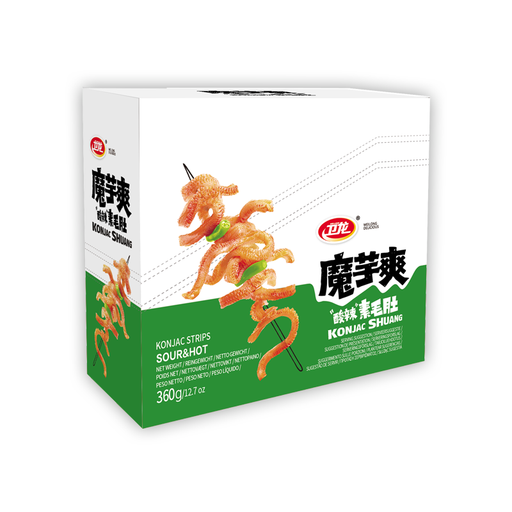
Why It Stands Out: This product from Wei Long offers a refreshing change from purely spicy or mala varieties by adding a distinct sour note.
Benefits:
Who It's For: People who enjoy a zesty, sour kick alongside the heat and are looking for a different kind of flavour intensity.
The world of konjac snacks is diverse and offers many more flavours and brands to discover. If the options presented here don't quite meet your expectations, or if you're simply curious for more, there are other alternatives to explore.
Discover our entire selection of spicy konjac snacks and find more exciting options that suit your taste.
Konjac tripe is a plant-based snack made from the flour of the konjac root. It is a vegetarian tripe where the name merely describes the strip-cut shape and the chewy, firm texture that resembles the animal product. The snack itself is 100% meat-free.
Many konjac snacks are considered a low-calorie snack compared to traditional fried snacks like potato chips. Konjac itself is rich in dietary fibre and contains almost no fat or calories. However, the final calorie count depends heavily on the marinade, which often contains oil and sugar. For accurate values, it is always advisable to check the nutritional information on the product packaging.
This is a modern type of Chinese snack (often known as "Mó Yú Shuǎng" 魔芋爽 in Chinese) that has gained enormous popularity in recent years. Brands like Wei Long have been instrumental in this trend. The snack embodies the preference for intense, spicy flavours and interesting, chewy textures in modern Chinese snack culture.