
Lieferung heute & morgen

Qualitätsgarantie

Willkommens-Angebote freischalten: KOSTENLOSE Lieferung | Bis zu 80 % RABATT | Kostenlose 30-Tage-JoyPlus-Testphase
App herunterladen
Construction toys for children should encourage creativity while also suiting their age, available space and play habits. In practice, unclear age guidance, overestimated piece counts and unsuitable materials often lead to disappointing purchases. A large set isn’t automatically versatile, and a themed model isn’t necessarily suitable for open-ended building.
This buying guide explains what families in the UK should look for in construction toys for children, building bricks and creative building sets.
A high piece count can look impressive at first. What matters, though, is how many different types of building pieces are included and whether they allow children to build freely. A set with lots of identical elements may offer less variety than a smaller selection of bricks, wheels, windows, figures and baseplates.
For open-ended play, classic building bricks for children in different colours and shapes are a good choice. Themed sets featuring a specific character or scene, on the other hand, are aimed more at fans and children who enjoy following instructions before creating their own role-play scenarios.
A building set for ages 3+ isn’t the same as a set for school-age children. Small pieces, marbles and magnets can pose a risk to younger children. Fine motor skills and attention spans also vary considerably.
The manufacturer’s age guidance should therefore be just the first thing you check. Also look out for warnings such as ‘small parts’ or ‘not suitable for children under 36 months’. Depending on the product, children under six may benefit from adult supervision.
Labels such as ‘STEM’, ‘Montessori toy’ or ‘educational’ don’t, on their own, tell you much about how a product can actually be used. More useful are verifiable details about materials, number of pieces, dimensions, age guidance, storage and compatibility.
With magnetic building blocks, check whether the magnets are securely integrated into the pieces and what safety warnings apply. Swallowed magnets can be dangerous. Do not continue to use the toy if any pieces are damaged.
For toddlers from around 18 months, large, easy-to-grip bricks with few specialist pieces are easier to handle. A building set for ages 4+ may already include smaller elements and more challenging connections. For children aged 6 or 7 and over, themed LEGO sets, marble runs and more detailed models are also worth considering.
Before you buy, think about these questions:
Many building bricks are made from ABS plastic. Look for smooth edges, sturdy connections and clear information from the manufacturer. For products sold in the European market, check that they meet the applicable toy requirements and carry the relevant markings. EN71 refers to European toy safety standards, but it doesn’t replace checks by an adult.
For foam building sets, also check the covers, zips, hook-and-loop fasteners and stability. Climbing and building elements need enough space. Covers that can be washed can be useful if the toys are used frequently in a child’s bedroom, nursery or play area.
Construction toys need a dedicated storage solution. A box, case or stackable container helps prevent pieces from going missing and makes tidying up easier. Before buying, compare the dimensions of the completed model with those of the packaging.
A flat play surface is also useful for marble runs and magnetic building blocks. Large foam blocks, by contrast, need plenty of room and shouldn’t be set up in narrow walkways.
The selection below groups products by common uses rather than ranking them overall.
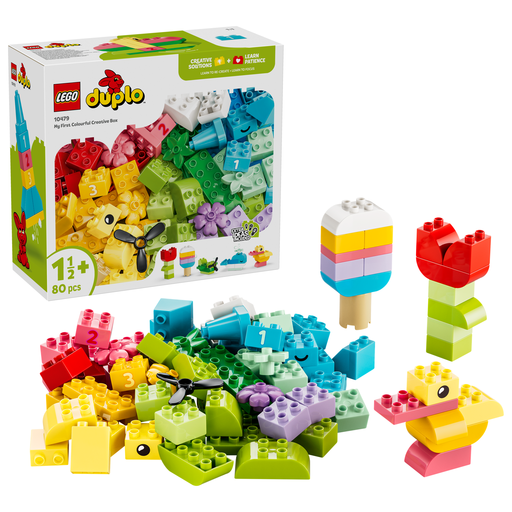
Why this product suits this profile: The set is designed for children aged 18 months and over and contains 80 larger pieces for their first building ideas. It’s a good choice for families looking for a manageable introduction to construction toys for children.
The age guidance and larger pieces help you avoid choosing a complex set with lots of small parts for a toddler.
80 pieces, numbered bricks and easy-to-grip elements; according to the product details, no batteries are required.
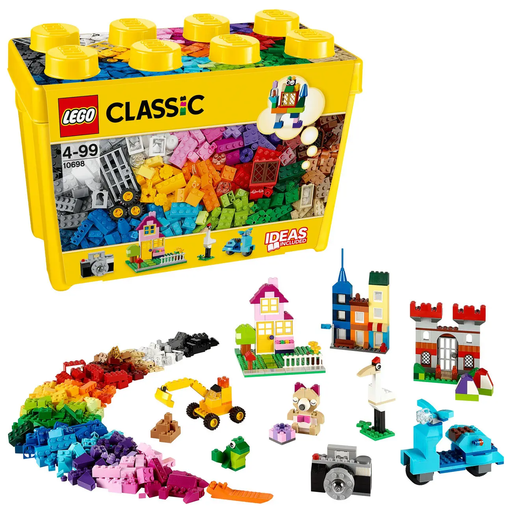
Why this product suits this profile: According to the product details, the box is for children aged 4 and over and includes 790 pieces in 33 colours. Windows, doors, wheels and baseplates support open-ended building.
The mix of standard and specialist pieces means children aren’t reliant on a single building design.
790 pieces, two green baseplates and a plastic storage box; some building ideas are included to get you started.
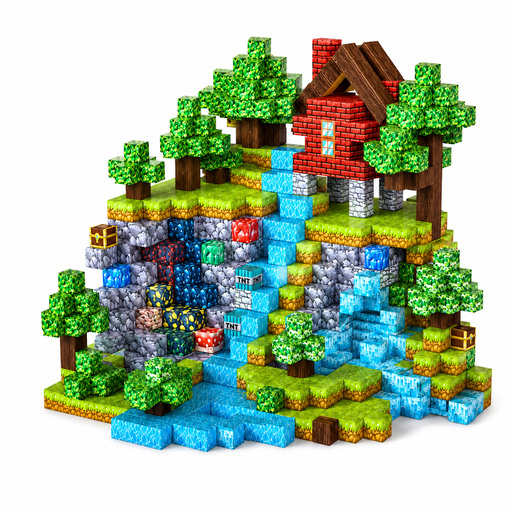
Why this product suits this profile: According to the product description, this 150-piece set is for children aged 3 and over. It’s aimed at families who want magnetic building blocks for creating a variety of constructions.
The product description mentions rounded edges, integrated magnets and the option to add other sets. However, the warning about magnets still applies.
150 pieces, magnetic connections and compatibility with additional building pieces; no batteries required.
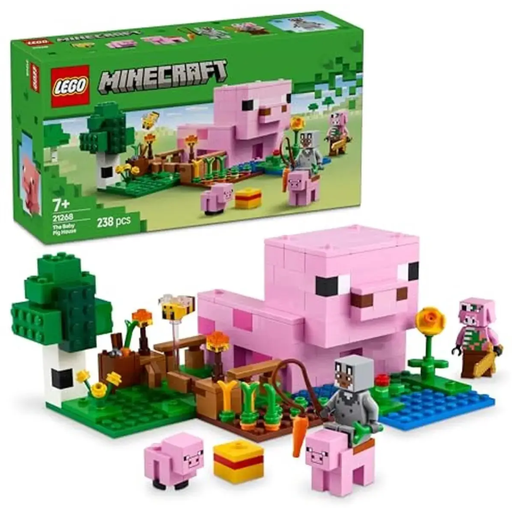
Why this product suits this profile: Designed for fans aged 7 and over, the set brings a specific Minecraft theme to life with a small play scene, figures and 238 pieces.
The product details give the recommended age, piece count and finished model dimensions, making it easier to work out how much space you’ll need before buying.
238 pieces, Minecraft figures and a combined building and role-play scene; according to the product details, the finished model is 8 cm high, 19 cm wide and 16 cm deep.
We’ve put together a complete, regularly updated list of products that meet these strict selection criteria and fully comply with the safety regulations in force in the EU.
For children from around 18 months, large building bricks with easy-to-grip shapes are suitable, provided the manufacturer’s guidance says so. Keep small pieces, marbles and loose magnets away from toddlers. It’s also important to check the toys regularly for damaged or loose pieces.
That depends on what they want to build. A smaller set with a variety of shapes is enough for first constructions. For open-ended building with several children, 400 or more pieces are more practical, as long as you have enough storage space. With themed LEGO sets, the figures, specialist pieces and play scene you’re looking for often matter more than the total number of pieces.
Storage boxes with separate compartments are ideal for small building pieces, figures and specialist elements. Larger sets can be kept in their original box or in labelled plastic containers. Before putting them away, check the pieces for cracks, loose magnets and missing connections.