
Lieferung heute & morgen

Qualitätsgarantie

Willkommens-Angebote freischalten: KOSTENLOSE Lieferung | Bis zu 80 % RABATT | Kostenlose 30-Tage-JoyPlus-Testphase
App herunterladen
Korean anti-ageing skincare often combines lightweight textures, multiple levels of hydration and active ingredients such as hyaluronic acid, niacinamide, collagen and retinoids. However, the wide range of products does not automatically make choosing easier. If you focus only on terms such as “Glass Skin”, “Lifting” or “Glow”, you may end up buying a product that does not suit your skin or daily routine.
PDRN, collagen and peptides are common ingredients in Korean facial skincare. Simply mentioning them says little about whether a product is actually suitable for your skin. The full INCI list, the concentration – where stated – and the texture are what matter. For example, a PDRN cream containing several humectants may suit dry skin, while a rich formulation could feel uncomfortable on oily or blemish-prone skin.
Even products with a relatively short or seemingly gentle ingredient list can cause reactions in sensitive skin. Fragrances, essential oils, certain preservatives and retinoids deserve particular attention. Before using a product for the first time, a patch test on a small area of skin is recommended. If redness, burning or itching occurs, discontinue use.
A retinol cream, a retinal serum, an acid treatment and several masks do not all need to be used together. An overloaded routine makes it harder to identify the cause if irritation occurs. For beginners, a straightforward combination of cleansing, moisturiser and daytime sun protection is usually more practical.
Dry or mature skin often benefits from a cream containing glycerin, hyaluronic acid, ceramides, panthenol or skin-conditioning oils. A lightweight gel cream may feel more comfortable on combination skin. For example, the AXIS-Y Cera-Heart My Type Duo Cream 60 ml divides care between a lighter T-zone and a richer U-zone formulation. This allows you to adjust the amount according to the area of your face.
When choosing hyaluronic acid skincare, you should also bear in mind that hyaluronic acid primarily binds moisture. Applying a cream afterwards can help maintain a comfortable feel for longer. The effect depends on the complete formulation and your individual circumstances.
Retinol and retinal belong to the vitamin A family and are frequently used in anti-wrinkle skincare. They may be unsuitable for beginners if used too often or combined with other potentially irritating products. According to the product information, the The Retinol 0.1 Cream contains 0.1% retinol and is formulated with panthenol, allantoin and adenosine.
When using these products, start slowly, apply them only in the evening and use suitable sun protection during the day. If you have sensitive skin, it may initially be sensible to use the product on just a few evenings per week. A retinal serum or anti-wrinkle eye cream should not automatically be used in addition to a retinol cream.
Pay attention to the batch number, expiry information and instructions on the original packaging. Products containing sensitive active ingredients should be stored away from light and heat. The recommended leave-on time is also important: a collagen mask may be designed for a short application, while an overnight mask remains on the skin throughout the night.
Masks are an addition to your routine, not a substitute for regular basic skincare. A hydrating face mask may be appealing if your skin is dry or looks tired, but it should still be selected according to how your skin feels and tolerates it.
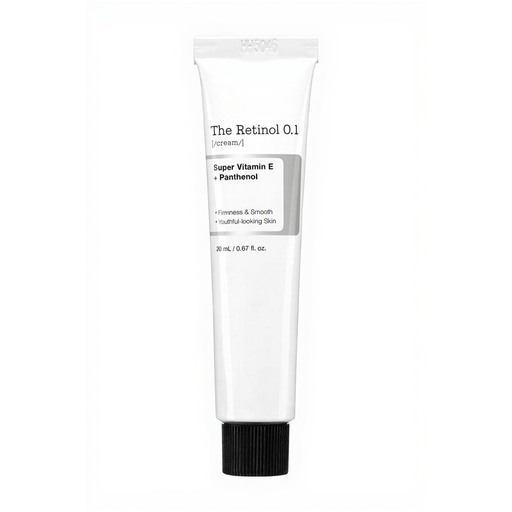
Why this product suits this profile: The stated retinol concentration of 0.1% and the dosage instructions support a structured introduction to a retinol cream.
The concentration and recommended gradual introduction are clearly stated in the product information, rather than the product relying solely on general anti-ageing claims.
Retinol 0.1%, panthenol, allantoin and several forms of hyaluronic acid; designed for evening use.
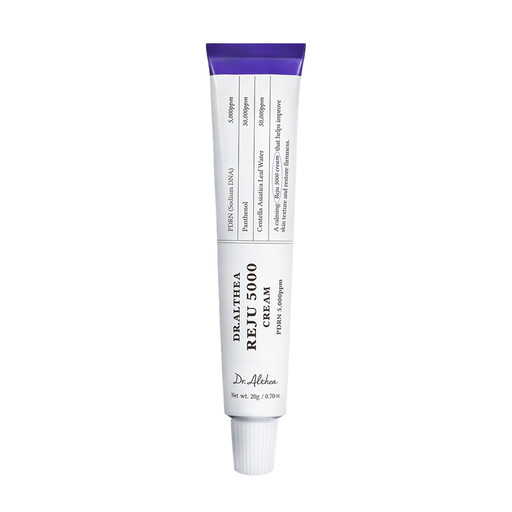
Why this product suits this profile: The formula combines sodium DNA, centella water, panthenol and several forms of hyaluronic acid in a compact 20 ml cream.
The INCI list and usage instructions are provided. Even so, you should check the packaging for an up-to-date ingredient list before buying.
Lightweight, non-sticky texture according to the product description; contains panthenol, ceramides and a hyaluronic acid complex.
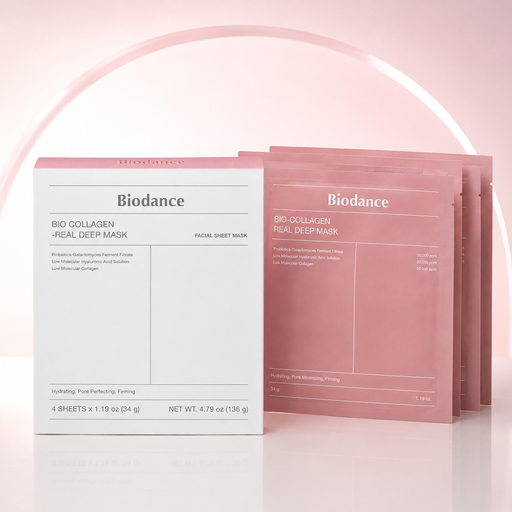
Why this product suits this profile: The hydrogel masks are designed to be left on for three to four hours or overnight, making them suitable for planned skincare routines.
The application time is clearly defined. If you do not want to plan around a mask worn for several hours, choose a collagen mask designed for a shorter application instead.
Four masks of 34 g each; contains glycerin, niacinamide, hydrolysed hyaluronic acid and fermented ingredients, among others.
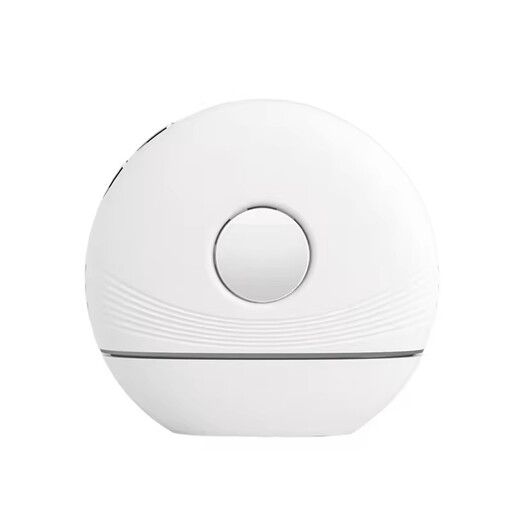
Why this product suits this profile: The device offers three modes, three intensity levels, heating and cooling functions, plus a stated battery capacity of 800 mAh.
Technical details such as dimensions, weight, battery capacity and charging method are provided. This is not a substitute for medical advice and is particularly important to bear in mind if you have sensitive skin.
ABS and zinc alloy construction, USB charging, three intensity levels and a stated operating time of approximately 70 minutes.
We have put together a complete, regularly updated list of products that fully meet these strict selection criteria and the safety regulations applicable in the EU.
Formulations containing glycerin, hyaluronic acid, panthenol, ceramides and conditioning oils may be suitable. A rich cream or overnight mask may feel more comfortable than an exclusively lightweight gel. What matters is that the texture does not cause tightness and that the product can be used regularly.
This depends on the specific product. According to the product information, the Biodance Bio-Collagen Real Deep Mask is used once or twice a week. Another hydrogel mask may be designed to remain on the skin for 30 to 40 minutes. The packaging, your skin’s tolerance and how it feels should always be the deciding factors.
The shelf life is stated on the packaging, along with the batch number and expiry date. Once opened, the relevant usage instructions also apply. Products should be kept tightly closed, stored in a dry place and protected from direct sunlight. The manufacturer’s instructions on the physical product always take priority.