
Lieferung heute & morgen

Qualitätsgarantie

Willkommens-Angebote freischalten: KOSTENLOSE Lieferung | Bis zu 80 % RABATT | Kostenlose 30-Tage-JoyPlus-Testphase
App herunterladen
By the Joybuy Product Recommendation OfficerUpdated August 28, 2026
A Korean cleansing oil is the cornerstone of an effective skincare routine for many. It promises to effortlessly remove even the most stubborn makeup and sunscreen while clearing pores of excess sebum. However, the market is flooded with products whose marketing claims often create more confusion than clarity. Before you make a decision, it's crucial to understand the common pitfalls that can lead to an unsuitable purchase.
Choosing the wrong product can not only be ineffective but may even exacerbate existing skin problems. Pay close attention to these two points:
To avoid a bad purchase, you should focus on the objective properties of a cleansing oil. Two factors are non-negotiable.
The foundation of any cleansing oil is, as the name suggests, oil. The type of oil is what primarily determines the texture and its suitability for your skin type.
A cleansing oil for sensitive skin should ideally be based on low-irritant, lightweight oils and be free from potential irritants like strong fragrances.
The ability to bind with water and be rinsed away is what distinguishes a cleansing oil from a pure cooking oil. Emulsifiers like Sorbeth-30 Tetraoleate are responsible for this. A high-quality emulsifying system ensures that the oil encapsulates dirt, sebum, and makeup, and is completely removed from the skin during rinsing. The result is clean, but not stripped, skin that is perfectly prepped for the second cleansing step. This is especially important if you're looking for a cleansing oil for blackheads, as product residue can worsen the problem.
Instead of making a blanket recommendation, we have matched products based on specific user profiles and their skin needs.
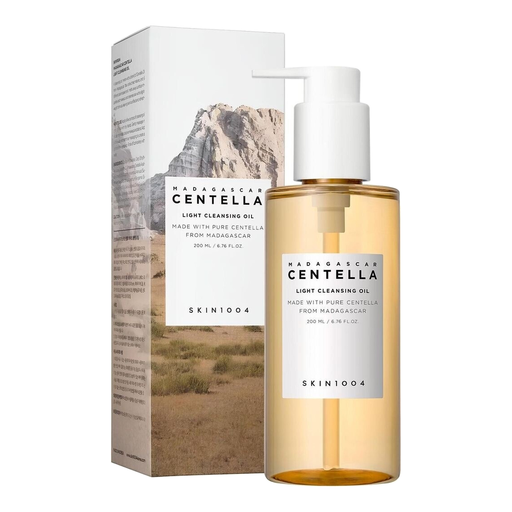
Why This Fits Their Persona: This formula is ideal for individuals whose skin reacts quickly to heavy textures or long ingredient lists. The lightweight, almost watery texture cleanses effectively without weighing down or irritating the skin.
It bypasses the 'one-size-fits-all' trap with a deliberately minimalist and lightweight formula. The oil emulsifies completely, leaving behind no potentially irritating residue.
The formula is non-comedogenic and contains Centella Asiatica extract, known for its soothing properties. Its micellar technology ensures a thorough yet gentle cleanse.
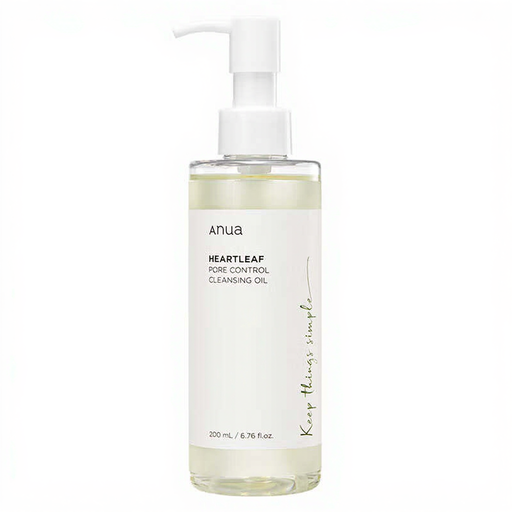
Why This Fits Their Persona: This oil is designed for those struggling with clogged pores, blackheads, and excess sebum production. It effectively dissolves sebum plugs and impurities without stripping the skin.
It's specifically formulated for blemish-prone skin, debunking the 'universal product' myth. The non-comedogenic formula ensures it won't further clog pores during cleansing.
Contains Heartleaf extract, prized for its clarifying and calming properties. The lightweight oil blend emulsifies quickly, leaving the skin feeling fresh and clean.
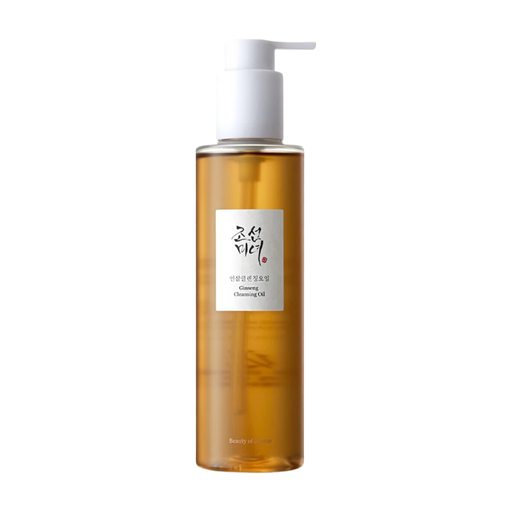
Why This Fits Their Persona: Perfect for users with dry or dehydrated skin who want a deep cleanse without that tight feeling. The rich texture glides smoothly over the skin, leaving it feeling nourished.
This oil is the antithesis of a stripping cleanser. It cleanses deep into the pores while its nourishing soybean oil base protects the skin barrier and prevents moisture loss.
The formula is based on 50% soybean oil and is enriched with ginseng seed oil. This combination provides an intensive cleanse while leaving the skin supple and cared for.
We've compiled a complete, up-to-date list of products that meet these strict selection criteria.
The double cleansing method is a core principle of K-Beauty. The first step with an oil-based cleanser dissolves oil-based impurities (makeup, sebum, sunscreen). The second step with a water-based cleanser (e.g., a foam or gel) removes water-based dirt and sweat. This method is recommended for a particularly thorough cleanse, especially in the evening or for those with blemish-prone skin. However, for very dry skin or if you've only worn light sunscreen, a cleansing oil that emulsifies very well may be sufficient on its own.
This is a common misconception. Based on the principle of "like dissolves like," oil is highly effective at binding to and removing excess sebum and impurities lodged in the pores. The key is to choose a non-comedogenic oil and ensure it rinses off completely. A correctly formulated cleansing oil will not leave behind pore-clogging residue and can help restore the skin's balance rather than overwhelming it.
Although both originate from the Asian skincare tradition and are based on the same principle, there are some general differences. Korean cleansing oils (K-Beauty) often place a greater emphasis on trendy, skin-caring active ingredients like Centella Asiatica, Heartleaf, or ginseng, as well as innovative textures. Japanese cleansing oils (J-Beauty) frequently focus on minimalist, highly effective formulas with a long-standing heritage, such as products from DHC or KOS?, which are known for their uncompromising cleansing power and often unscented formulations. Ultimately, the choice depends on personal preference and skin needs.