
Lieferung heute & morgen

Qualitätsgarantie

Willkommens-Angebote freischalten: KOSTENLOSE Lieferung | Bis zu 80 % RABATT | Kostenlose 30-Tage-JoyPlus-Testphase
App herunterladen
The growing fascination with Korean culture has brought with it a wave of culinary discoveries. Korean drinks, in particular, are finding an ever-larger audience. However, many encounter hurdles when trying to buy them online. Colourful packaging often overpromises, and vague descriptions can lead to mistaken purchases.
As your Joybuy Product Recommendation Officer, I'm here to help you navigate these pitfalls. This guide will show you what to look for to find authentic and suitable drinks from Korea without being let down by marketing promises.
Before you buy Korean drinks, you should be aware of three common issues that often lead to dissatisfaction:
To ensure you find the right product for your palate, you should check two or three core features. These will help you objectively assess the quality and type of drink.
The most important source of information is the ingredients list. Ingredients are listed in descending order by weight.
Asian drinks from Korea can be divided into several categories, and knowing them helps avoid mistaken purchases:
Here are some recommendations tailored to different preferences and use cases, all of which meet the criteria mentioned above.
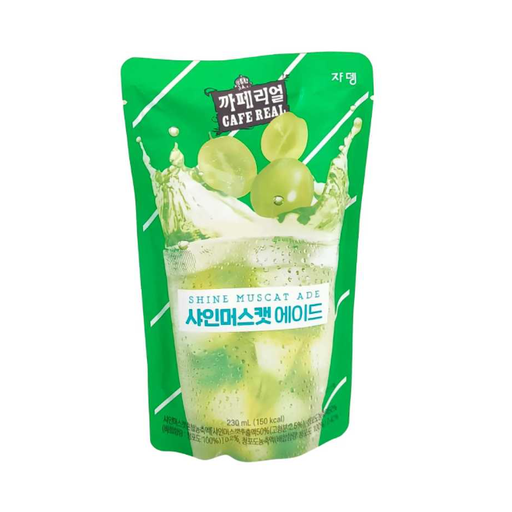
Why This Fits Their Persona: Ideal for the curious who want to try a typical Korean ade flavour without a big investment. The single pouch is convenient and offers a light, refreshing muscat grape taste.
The product is clearly labelled as a ready-to-drink "Ade Pouch," which eliminates any confusion with a concentrate. The ingredients list is transparent about its sweeteners, listing sugar and fructose syrup.
Extremely convenient for on-the-go. Offers an authentic taste of Korean "ade" culture.
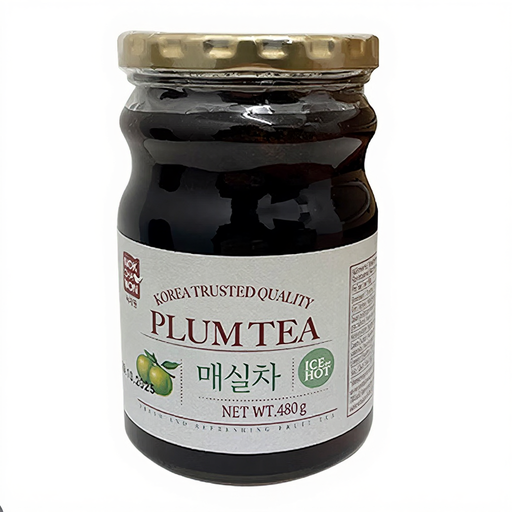
Why This Fits Their Persona: Perfect for anyone seeking a versatile and traditional Korean product. This green plum concentrate can be used as a hot or cold drink, as well as a glaze for meats or a topping for desserts.
The glass jar packaging and "Plum Tea" name clearly indicate it's a concentrate, avoiding confusion with a ready-to-drink product. The ingredients list is transparent about the plum extract content (4.7%).
Extremely versatile in the kitchen. Delivers an authentic, sweet-and-sour taste experience deeply rooted in Korean tradition.
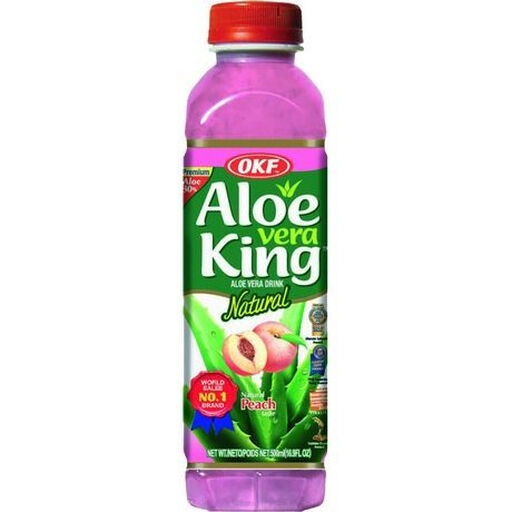
Why This Fits Their Persona: For adventurers seeking more than just flavour. This drink combines a sweet peach taste with the unique texture of real aloe vera pulp—a sensory experience that stands out from conventional soft drinks.
The name and description highlight the aloe vera pulp, setting the expectation for a textured experience. The ingredients list confirms a high aloe vera content (22% juice, 8% gel), meeting the expectation of a high-quality product.
Offers a unique mouthfeel thanks to real pulp pieces. Refreshing and different from typical fruit juices.
We have compiled a complete, real-time list of products that fully satisfy these strict selection criteria and UK safety regulations.
1. How do you properly prepare Korean fruit tea (concentrate)? Preparation is simple. Add 2–3 tablespoons of the concentrate (e.g., Nokchawon Citron or Plum Tea) to a cup and pour in about 150 ml of hot or cold water. Stir well. You can add ice cubes for extra refreshment.
2. What does "Ade" mean in the context of Korean drinks? The term "Ade" in Korea refers to a type of non-carbonated, sweetened lemonade. Korean Ade are typically based on fruit syrup or concentrate mixed with water. They are especially popular in the summer and are often offered in cafés or as convenient ready-to-drink pouches.
3. Do Korean drinks often contain artificial sweeteners? Yes, many modern Korean soft drinks and ade beverages use a combination of sugar and artificial sweeteners (like sucralose or acesulfame-K) to reduce calorie content while achieving an intense sweetness. If you wish to avoid these, check the ingredients list carefully for terms like "sweetener" or the corresponding E-numbers (e.g., E955, E950).