
Lieferung heute & morgen

Qualitätsgarantie

Willkommens-Angebote freischalten: KOSTENLOSE Lieferung | Bis zu 80 % RABATT | Kostenlose 30-Tage-JoyPlus-Testphase
App herunterladen
Korean drinks are surging in popularity worldwide. Made famous by K-dramas and social media, they entice with vibrant colours and exotic flavours. But the growing selection can make choosing difficult. Not every product that looks authentic delivers on its promise of flavour. Many buyers are disappointed after the first sip, having fallen into common traps.
As your Joybuy Product Recommendation Officer, I'm here to help you avoid these pitfalls. This guide will show you what to look for to find the perfect Korean soft drink for your taste, without falling for marketing hype.
Before you buy, you should be aware of two common issues that often lead to a purchase you'll regret:
To ensure you get a product that suits your preferences, you should check three objective criteria.
Korean drinks can be divided into three main categories. Knowing them helps prevent mix-ups.
The quality of a drink can often be judged by its ingredients list. Pay attention to the following:
Many Asian soft drinks adopt the Korean style but do not originate from South Korea. For an authentic experience, check the place of manufacture on the label. Products from established Korean brands like Lotte, Haitai, OKF, or Woongjin generally offer the taste you know from Korea.
Here are some recommendations tailored to different flavour profiles and use cases.
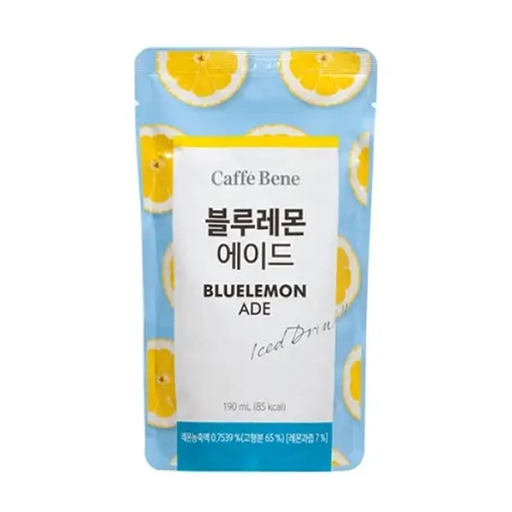
Why This Fits Their Persona: This drink embodies the modern Korean café trend often seen in media. Its bright blue colour and zesty lemon flavour make it an ideal entry-level product. The pouch format is practical and highlights the convenience factor.
The "Ade" designation and pouch format clearly identify it as a ready-to-drink lemonade. There's no risk of confusing it with a concentrate.
Authentic flavour from a well-known Korean café chain (Caffe Bene). Convenient format for on-the-go enjoyment.
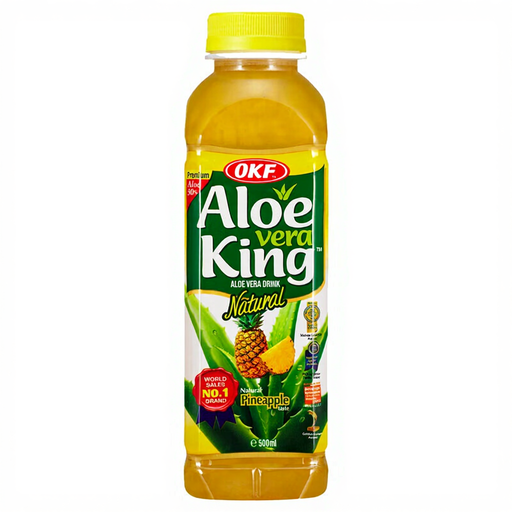
Why This Fits Their Persona: For those seeking more than just a sweet beverage. With real aloe vera pieces, this product offers an interesting mouthfeel and a refreshing, subtly sweet taste. It's a great choice for consumers who value tangible ingredients.
The high 30% aloe vera content is clearly declared. Here, the actual content takes centre stage, not just colourful packaging. The focus is on the defining ingredient of the drink.
Contains a high percentage of real aloe vera pulp for a pleasant texture. Produced by OKF, a global leader in aloe beverages.
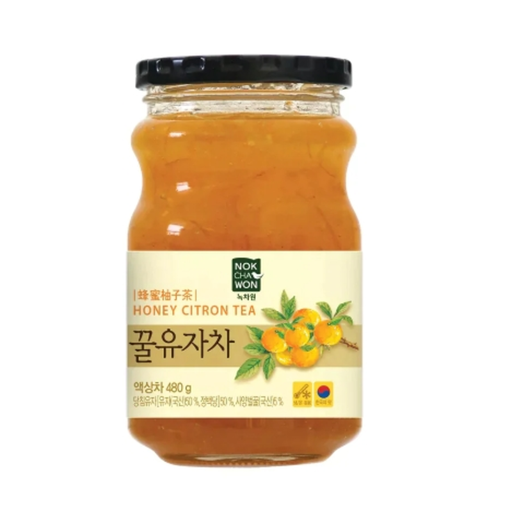
Why This Fits Their Persona: Ideal for users who want to prepare traditional Korean Yuja-cha (citron tea). This concentrate is versatile, can be enjoyed hot or cold, and also works as a spread for toast, in salad dressings, or as a marinade.
The glass jar packaging and thick consistency immediately make it clear that this is a concentrate. This prevents confusion with a ready-to-drink beverage and the associated disappointment.
Very economical and versatile. According to the manufacturer, it contains 50% sweetened citron for an authentic, intense flavour.
We have compiled a complete, up-to-date list of products that fully meet these strict selection criteria.
1. How do I properly prepare Korean Yuja Tea (Citron Tea)? For one cup of tea, typically mix two to three teaspoons of the concentrate with about 150–200 ml of hot or cold water. Stir well until the concentrate has dissolved. The pieces of citrus peel can be eaten.
2. Are Korean pouch drinks resealable? Most pouch drinks are designed for single use and are opened with an included straw or at a tear-off tab. Resealable screw caps are rather rare for this type of packaging. When in doubt, check the product description or the packaging itself.
3. What is the difference between "Ade," "Milkis," and "Juice" in Korea?