
Lieferung heute & morgen

Qualitätsgarantie

Willkommens-Angebote freischalten: KOSTENLOSE Lieferung | Bis zu 80 % RABATT | Kostenlose 30-Tage-JoyPlus-Testphase
App herunterladen
The selection of Korean face masks on the market can be overwhelming. From sheet masks for a daily hydration boost to specialised clay masks for pore cleansing, there seems to be a solution for every skin concern. But which mask is right for you? This guide will help you understand the different types and active ingredients, enabling you to make an informed decision for your skincare routine. We'll introduce a selection of K-Beauty masks that target specific skin issues like dryness, a dull complexion, or blemishes.
Before you decide on a product, a few key considerations will help. The right choice depends on your skin type, your goals, and the ingredients.
Korean face masks come in various formats, each designed for different purposes:
The effectiveness of a mask depends on its active ingredients. Look for formulations tailored to your specific skin concern:
Always take a look at the full ingredient list (INCI) to identify potential irritants like alcohol or strong fragrances, especially if you have sensitive skin. For products with highly concentrated active ingredients like Vitamin C, it's wise to perform a patch test on an inconspicuous area (e.g., behind the ear) as a precaution. Also, adhere to the manufacturer's recommended application time to avoid over-irritating the skin.
Here is a selection of masks designed for different skincare goals.
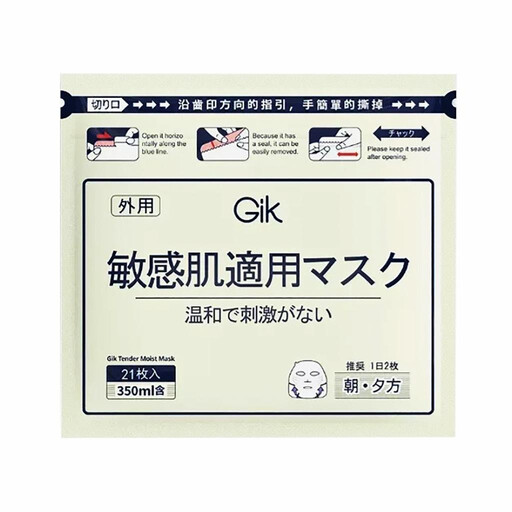
Why It Stands Out: What's special about the GIK Tender Moist Sheet Masks is the packaging concept. Instead of individually wrapped masks, you get a face mask set with 21 sheet masks in a resealable box. This is not only practical for daily use but also reduces packaging waste. The formula is designed for quick and easy hydration, with a recommended application time of just 5–10 minutes.
Benefits:
Who It's For: Individuals with dry or dehydrated skin looking for a simple and consistent solution for their daily hydration needs.
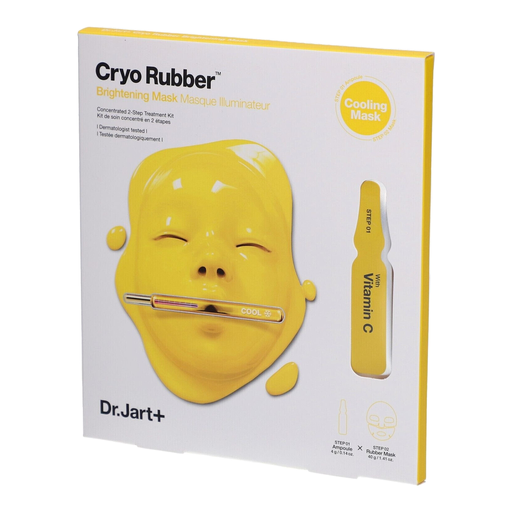
Why It Stands Out: This brightening mask from Dr.Jart+ is an innovative two-step system inspired by cryotherapy. First, a highly concentrated ampoule with a Vitamin C derivative and niacinamide is applied. Then, the cooling rubber mask is placed over it. According to the manufacturer, this lowers the skin's temperature, which is said to stimulate blood circulation and improve the absorption of active ingredients.
Benefits:
Who It's For: Users with dull, tired skin or an uneven complexion who want a visible boost of radiance before a special occasion.
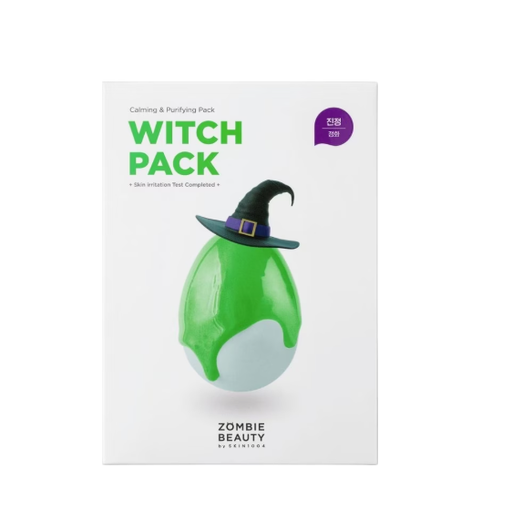
Why It Stands Out: This clay mask for blemishes stands out with its creamy, non-drying texture. Instead of water, the formula is based on 71% green tea water, known for its soothing properties. A blend of kaolin and bentonite clays cleanses the pores, while Centella Asiatica extract from Madagascar supports the skin barrier. The hygienic, single-serve portions ensure a fresh mask with every use.
Benefits:
Who It's For: Those with oily, combination, or acne-prone skin who struggle with enlarged pores, blackheads, and excess sebum.
A single mask can deliver visible results, but integrating various products into a comprehensive routine often leads to more sustainable improvements. If you want to expand your skincare regimen, a set can be a great foundation.
Discover our full range of skincare sets and other skincare products to complete your personal routine.
The frequency of use depends on the mask type. A hydrating sheet mask can be used several times a week or even daily, depending on your skin's needs. Purifying or exfoliating masks, like a clay mask for blemishes, should be used less frequently, about 1 to 2 times per week, to avoid stressing the skin. Always follow the manufacturer's recommendations on the product packaging.
A Korean sheet mask is a fabric sheet soaked in serum that primarily delivers active ingredients and moisture to the skin. It is removed after use, and the remaining essence is patted into the skin. A clay mask has a paste-like consistency and is applied to the skin to dry. Its main function is to absorb excess oil and cleanse the pores. It is washed off with water after the application time.
Many Korean brands offer products specifically formulated for sensitive skin. Look for masks with soothing ingredients like Centella Asiatica, aloe vera, or panthenol, and avoid known irritants such as denatured alcohol, synthetic fragrances, or essential oils. It is always advisable to check the ingredient list (INCI) and perform a patch test before the first full-face application.